
Last updated November 25, 2026
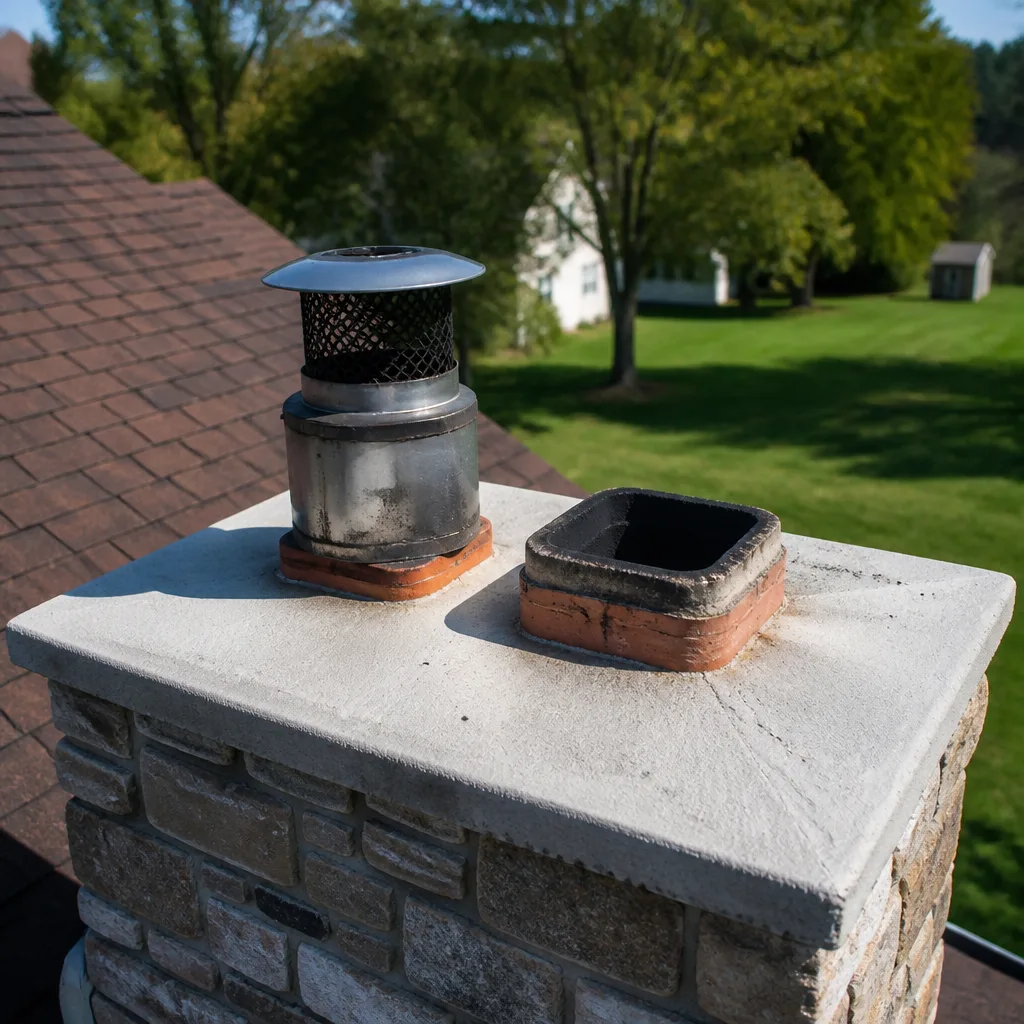 Sweep & inspection
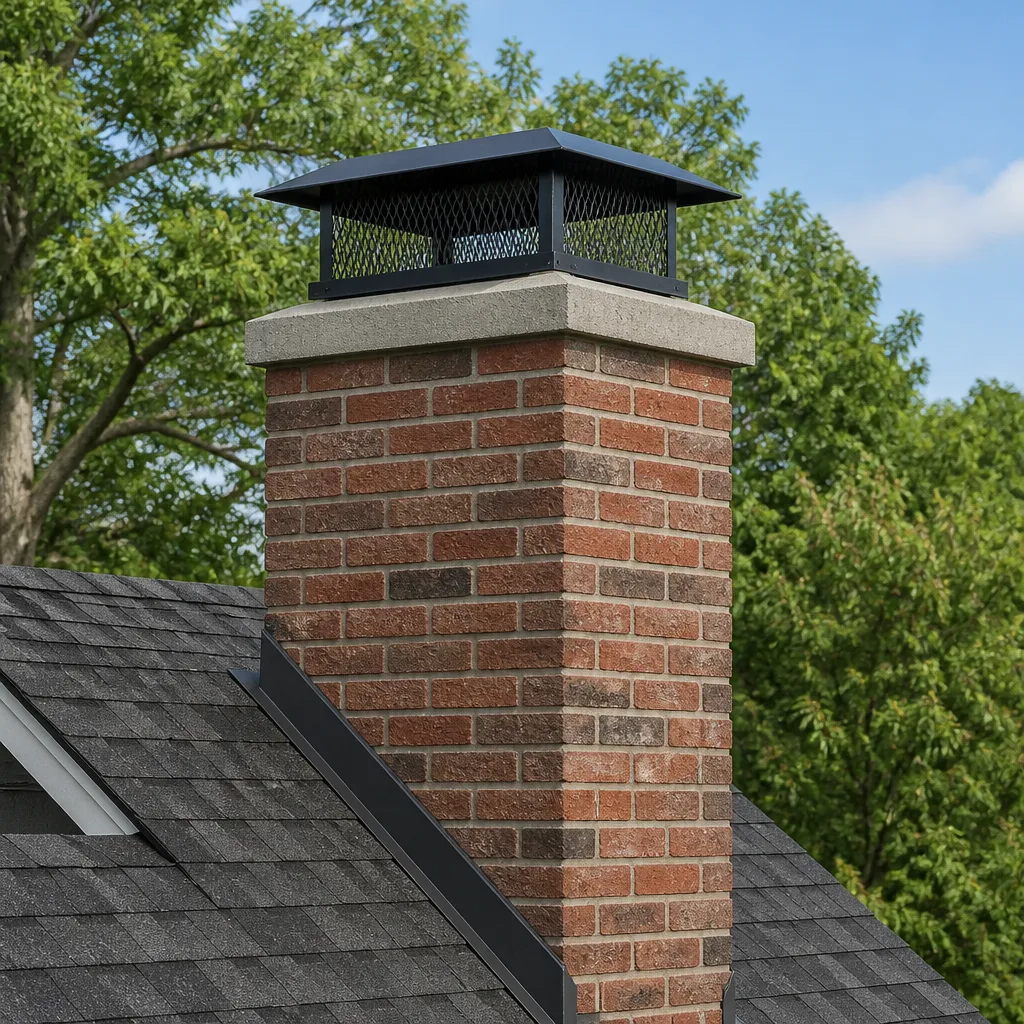 Caps & crowns
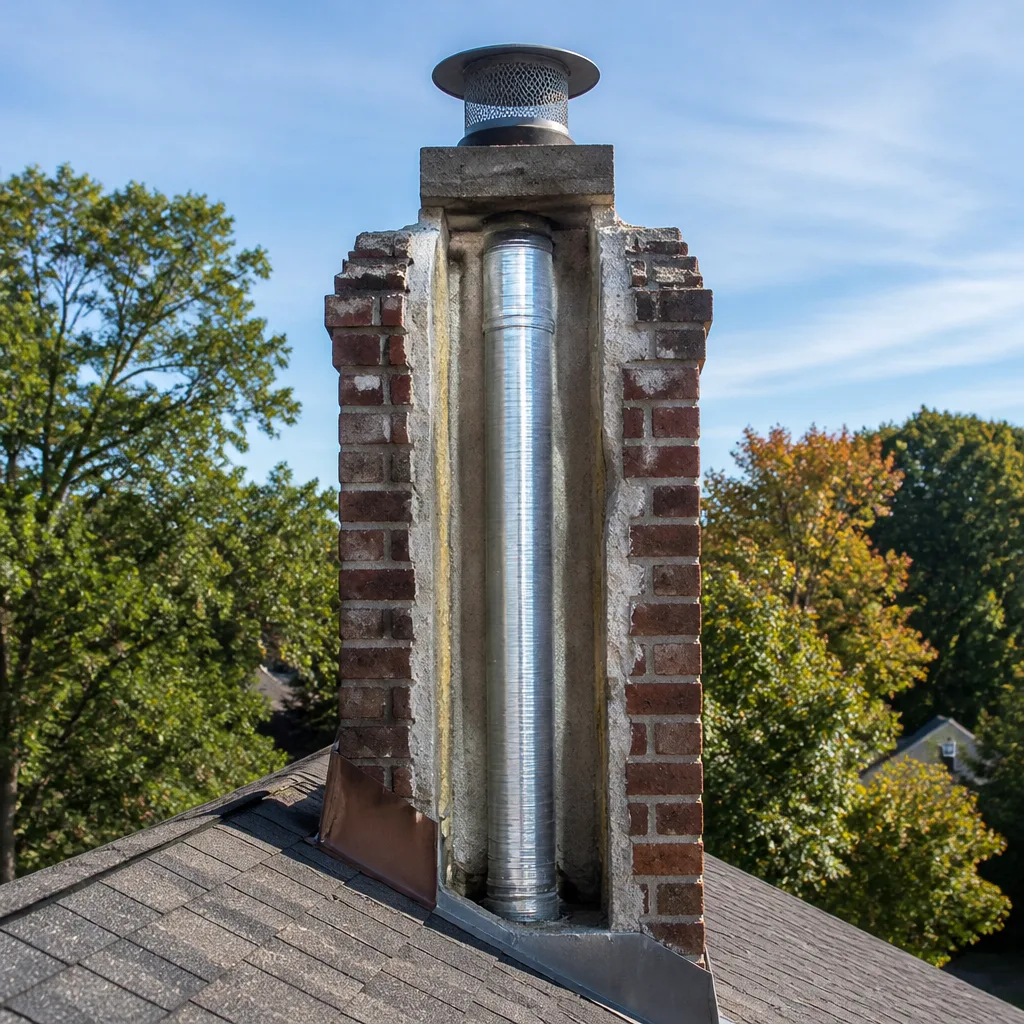 Flue relining
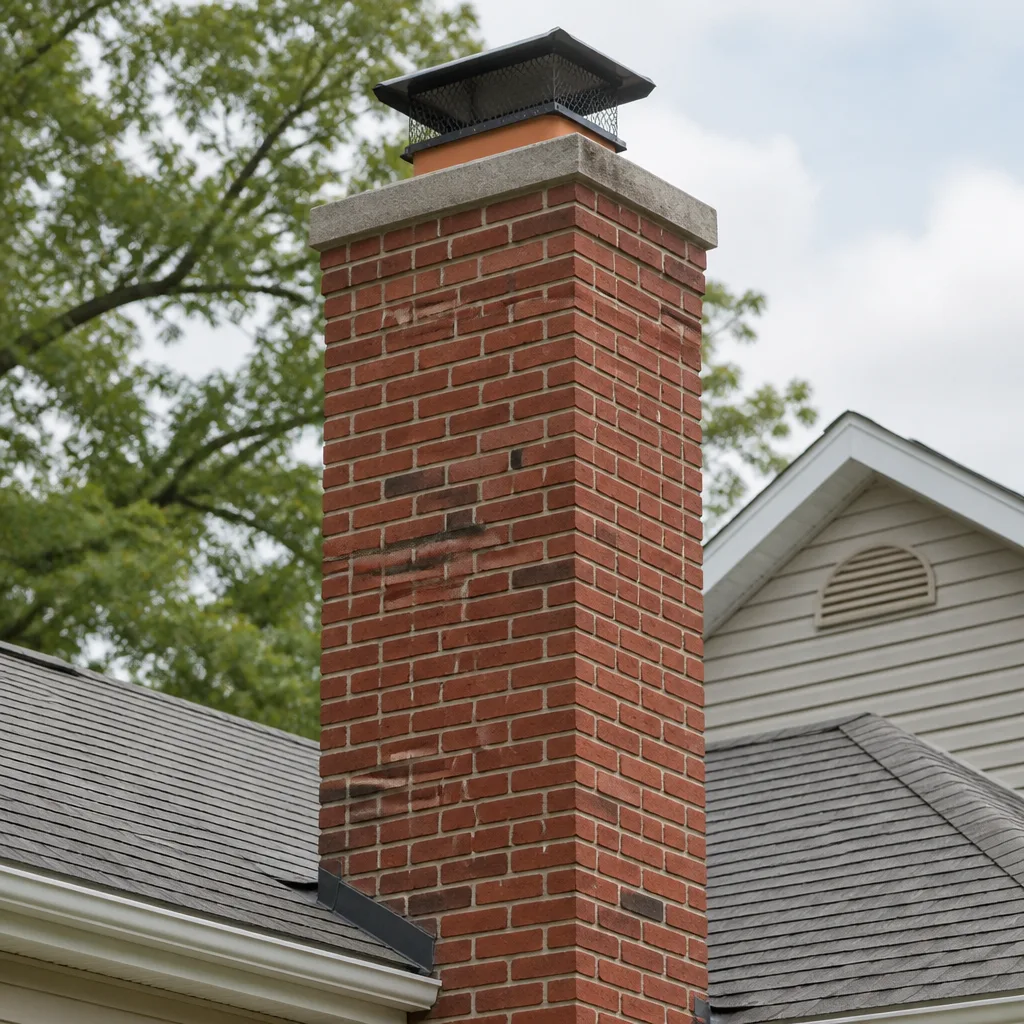 Masonry repair
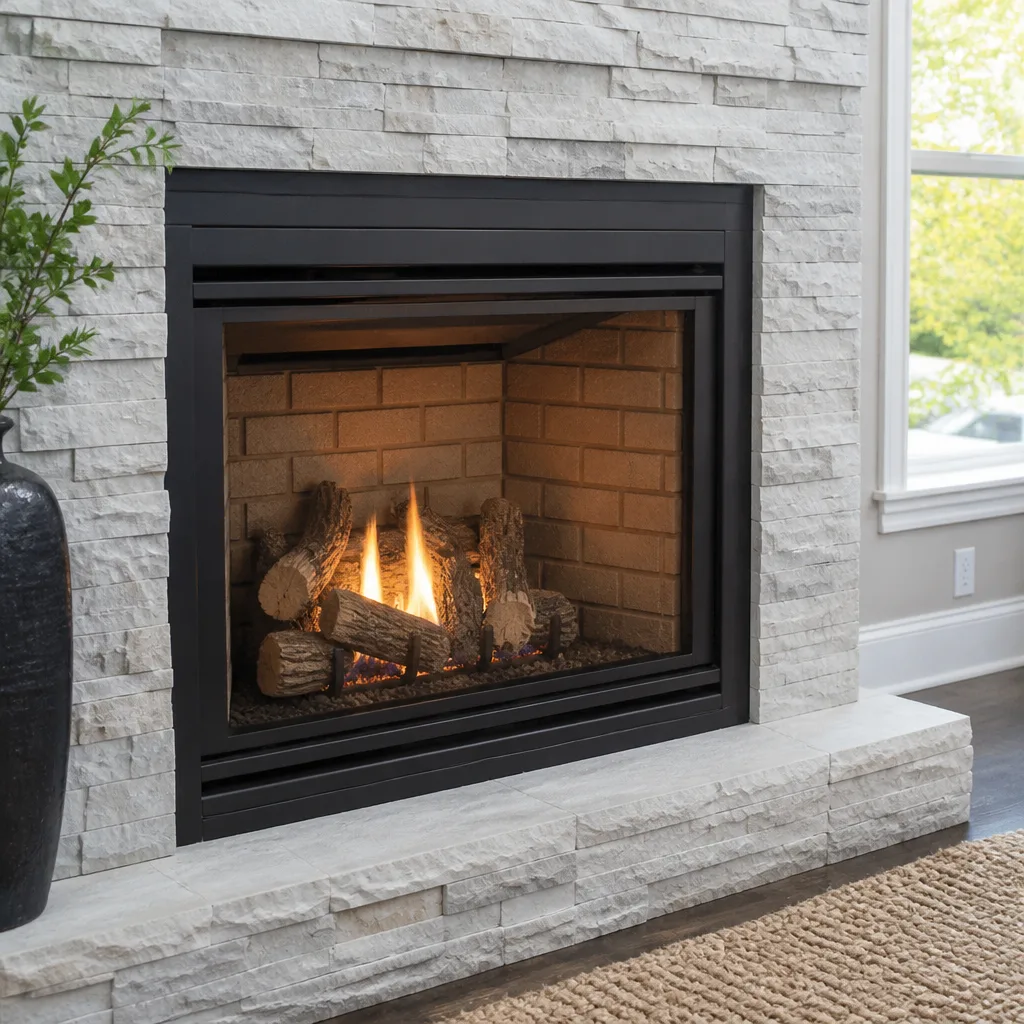 Gas fireplace service
Level 1 sweep and inspection to the NFPA 211 annual standard - flue, crown, cap, and flashing checked and photographed
Chimney sweep logs do not sweep chimneys. They loosen some creosote - which then falls where a brush and vacuum still have to collect it.
Chimney Cleaning Permits, Codes & Inspections in Hell’s Kitchen, NY: What You Need to Know
A chimney cleaning requires no permit. A chimney liner replacement absolutely does. That gap catches a lot of Hell’s Kitchen homeowners off guard, because the two jobs often get discussed in the same sentence by contractors who treat paperwork as an afterthought. If a contractor replaced your flue liner, rebuilt a crown, or altered how an appliance vents and never pulled a permit, you’re holding an unpermitted alteration in a city that inspects buildings during real estate transactions and insurance claims. This guide draws the line between maintenance and alteration, explains how NFPA 211 and the NYC Building Code meet, and shows you what documentation a co-op or condo board will ask for before any chimney work starts.
Quick Answer
Routine chimney sweeping and inspection are considered maintenance and don’t require a permit in New York City. Anything that alters the chimney or venting system, including liner replacement, relining, crown reconstruction, flue resurfacing, or changes to an appliance connection, is an alteration and needs a DOB permit filed by the contractor doing the work. A private inspection by a CSIA-certified technician and a NYC DOB inspection are different processes, and some jobs require both.
Styles & brands we work with
- Sweep & inspection
- Caps & crowns
- Flue relining
- Masonry repair
- Gas fireplace service
Table of Contents
- Where Maintenance Ends and Permit Territory Begins
- Local Law 11 and Your Chimney Crown
- NFPA 211 and NYC Building Code Chapter 28
- DOB Inspections vs. Private Chimney Inspections
- Co-op and Condo Board Approval: The Third Layer
- What Paperwork Looks Like on a Real Job
- How to Vet a Chimney Contractor for Permit Work
- What Happens If You Inherit Unpermitted Work
Where Maintenance Ends and Permit Territory Begins
New York City treats chimney work the same way it treats most building work: the question is whether you’re maintaining what’s there or changing it. Sweeping a flue, replacing a loose cap, or repairing a cracked mortar joint on a chimney above the roofline is routine upkeep. Replacing the flue liner itself, resurfacing a deteriorated liner with a poured ceramic product, cutting into a chimney to add a new appliance connection, or reconstructing a crown are alterations. Those get filed with the Department of Buildings.
Here’s how the split usually plays out on a Hell’s Kitchen job:
- No permit required: Annual or seasonal sweeping, a standard chimney inspection, cap replacement where the cap is a direct swap for the same size, minor mortar repointing above the roof, firebox cleaning, damper adjustment.
- Permit required: Full liner replacement, HeatShield ceramic flue resurfacing (it changes the liner surface condition), flue resizing, converting a fireplace from wood-burning to gas with a new vent, crown reconstruction, masonry rebuild that affects the chimney structure, adding or relocating a flue connection.
The distinction matters most for liner work, because liner replacement is common in Hell’s Kitchen’s older walk-ups and brownstones where original clay tile liners have cracked and spalled. A contractor who installs a new DuraFlex stainless liner without filing a permit has done an unpermitted alteration, and that lives on the building’s record. It’s cheaper for the contractor upfront and expensive for you later.
We’ve seen the same pattern in buildings across Hell’s Kitchen: the sweep gets done every year, the liner gets replaced by whoever was handy, and nobody thinks about a filing until the co-op board asks for documentation at a refinance. Get the question answered before work begins. Our chimney repair work always starts with a clear scope conversation about whether a filing is needed for your specific job.
Local Law 11 and Your Chimney Crown
Local Law 11, officially the Facade Inspection Safety Program (FISP), requires periodic inspection of building facades on buildings taller than six stories. Chimneys that project above the roofline or sit against a shared wall are part of what gets looked at during that inspection, particularly the crown and the masonry cap. A deteriorated crown is one of the leading causes of water intrusion into the chimney chase, and FISP inspectors flag visible spalling, cracked mortar, and unstable masonry at the chimney as facade conditions requiring correction.
For Hell’s Kitchen, that means two things. First, if you live in a building subject to FISP and your chimney crown is failing, the condition may show up in the building’s facade report whether you’ve noticed it or not. Second, crown and cap repairs performed as part of a FISP corrective action are typically handled alongside facade work and may be scoped under the same filing. In practice, we recommend that Hell’s Kitchen co-op and condo owners ask their building’s managing agent whether the chimney is included in the current FISP cycle report before approving any crown work, because it changes who pays, who files, and what the paperwork needs to say.
Our chimney cap & crown work is scoped with FISP conditions in mind for that reason. A crown that’s patched cosmetically will pass a brush but not a closer inspection, and we’re after the latter.
NFPA 211 and NYC Building Code Chapter 28
NFPA 211 is the national standard for chimneys, fireplaces, vents, and solid fuel-burning appliances. It covers liner condition, clearances to combustibles, chimney height, draft requirements, and the criteria inspectors use to decide whether a flue is serviceable. New York City adopts the standard by reference through its own code, and NYC Building Code Chapter 28 governs the construction and alteration of chimney systems within city limits. The two work together: NFPA 211 tells the technician what a good chimney looks like, and Chapter 28 tells the contractor what’s needed to file and get the work approved.
For homeowners, the practical implications are:
- Liner condition: NFPA 211 specifies that the flue liner must be continuous, undamaged, and correctly sized for the appliance. A cracked liner is not “fine because it still pulls.”
- Clearances: Required separation between the chimney and combustible materials applies to new work and is checked during inspection of existing systems.
- Appliance connections: When a connection changes (a wood stove replacing an open firebox, a new gas fireplace insert), the venting must meet the current standard, not the standard from when the chimney was built.
- Draft and sizing: A liner that is too large for the appliance drafts poorly; too small and the appliance won’t operate correctly. Both are NFPA 211 concerns and both come up in permits for appliance conversions.
In Hell’s Kitchen, much of the housing stock is older masonry with original clay tile liners, so NFPA 211 compliance is often the deciding factor in whether a fireplace can be safely used at all. Our sweep and inspection technicians have up to 14 years of experience assessing liners against the standard, and we source liners and restoration materials from professional brands including DuraFlex, HeatShield, Gelco, and Olympia Chimney so the documented specification matches what gets installed.
DOB Inspections vs. Private Chimney Inspections
A NYC DOB inspection is a regulatory check. It happens at specific stages of permitted work and confirms that what was built or installed matches what was filed. A private chimney inspection, typically performed by a CSIA-certified technician, is a technical assessment of the chimney system’s condition and safe operation. Different purpose, different outcome, different paperwork.
Here’s how they compare:
- Trigger: The DOB inspection is prompted by a permit and scheduled at inspection milestones. The private inspection is prompted by annual maintenance, a real estate transaction, a change of appliance, or a concern the homeowner has noticed.
- Scope: The DOB inspector verifies code compliance of permitted work. The private inspector assesses the entire system: flue, firebox, damper, crown, cap, clearances, draft, and connections.
- Output: The DOB inspection produces a sign-off on the permit. The private inspection produces a written report with photos and specific findings you can hand to a contractor or a board.
- Certification: DOB inspectors are city employees. Private chimney inspectors are trained to a national standard and often CSIA-certified.
- What it covers: Only a private inspection assesses the interior of the flue with a camera. That’s where liner cracks and creosote glazing are actually visible.
You need both when permitted alteration work is being done. You need a private inspection when you’re trying to determine whether the system is safe to use at all. In Hell’s Kitchen particularly, the private inspection often precedes the permit decision: the report is what tells you whether you’re looking at a sweep or a liner job. Comprehensive chimney inspection findings are the foundation of every scope we quote, because the report is what the permit application will reference.
Co-op and Condo Board Approval: The Third Layer
In Hell’s Kitchen, most multi-unit buildings add a layer of approval on top of city code. A co-op or condo board wants to know what’s being done to the building’s chimney, who is doing it, and whether the work will affect shared structure or insurance. Board approval is separate from DOB filing, and in many buildings you’ll need it before the contractor can even schedule the job. Getting the board package right the first time saves weeks.
Most managing agents ask for a standard set of documents before approving chimney work:
- A written scope of work from the contractor, listing materials and specifications
- Proof that the contractor will file any required DOB permits before starting work
- Certificates of insurance covering both general liability and workers’ compensation
- The contractor’s license and registration information
- An agreement to protect common areas, including roof access, and to restore them after work
- A work schedule that respects building rules on hours and noise
- For buildings subject to FISP, a note on whether the work intersects with the current facade cycle
One thing we hear from Hell’s Kitchen owners is frustration that the board and the DOB seem to ask for different things. They do, because they’re asking different questions. The board is protecting the building. The DOB is confirming code compliance. A contractor who understands both will produce a scope and document package that satisfies each without you mediating.
What Paperwork Looks Like on a Real Job
When a permitted chimney job runs correctly, the paperwork trail is straightforward. Understanding the sequence up front removes the surprise that comes from contractors who treat permits as optional or file them after the fact. Here’s the typical process for a job that crosses into alteration territory in Hell’s Kitchen:
- Inspection and scope: A private inspection documents the condition of the flue, crown, cap, and firebox. You get a written report with photos and a scope of work.
- Board submission: The co-op or condo board reviews scope and insurance documents. Approval comes back from the managing agent.
- Permit filing: The contractor files the permit with the NYC Department of Buildings, referencing the scope and any required engineering drawings.
- Work performed: The permitted scope is completed. For liner replacement, that means removing the old liner and installing the new one to specification.
- DOB inspection: The city inspects the completed work against the filed scope.
- Sign-off and closeout: The permit is signed off. You keep a copy of the sign-off with your building records.
The sign-off is the document that matters later. It’s what makes a liner replacement or crown rebuild traceable, and it’s what an appraiser or insurer will want to see if they’re looking at the condition of the chimney system. Keep a copy of the private inspection report too, since that’s what shows the condition of the system before and after work.
How to Vet a Chimney Contractor for Permit Work
The contractor you hire has to be able to do two things: perform the technical work correctly and handle the filing correctly. Plenty of sweeps are good at the first and unfamiliar with the second. That gap is where unpermitted alterations come from. Here’s how to check before you sign an estimate:
- Ask directly about permits. A contractor who intends to file will tell you so without hedging. A contractor who says “we don’t need a permit for a liner” is telling you something important.
- Ask which permits, and where they’ll be filed. Specific answers suggest familiarity with the process. Vague answers suggest otherwise.
- Ask for proof of insurance. Board packages will require this anyway, so get it early. You can also confirm directly with the insurer if you want.
- Ask about materials and brands. Professional trade brands signal that the specification matches what the permit references. We work with DuraFlex, HeatShield, Gelco, Olympia Chimney, Famco, and Copperfield for exactly that reason.
- Ask what happens after the inspection. If the technician documents a finding and hands the file to a repair team under the same roof, the scope stays consistent. If the sweep has to refer you out, the accountability breaks.
- Compare scopes, not just prices. A cheap quote that skips the filing isn’t cheaper once you’re dealing with the correction.
Outside of permit work, remember that a routine chimney sweep is a simpler transaction and doesn’t require anything beyond a qualified technician and a camera. Save the deeper vetting for the jobs where the paperwork matters.
What Happens If You Inherit Unpermitted Work
Unpermitted chimney work doesn’t announce itself. It shows up when you try to sell, refinance, or make an insurance claim. An insurer reviewing a fire claim will look at whether the chimney system was altered correctly, and a liner installed without a permit doesn’t help your case. A title search or building records request during a sale can surface alterations with no corresponding filing. In Hell’s Kitchen’s older buildings, chimney alterations have happened across many decades and through many ownerships, and inheriting one is common.
If you suspect unpermitted work, the sequence to get clear is:
- Get a private inspection. A camera-based inspection documents the current condition of the liner, connections, and masonry, which is the starting point for anything else.
- Pull the building’s DOB records. You or your managing agent can request the permit history for the building. This will tell you what was filed and when.
- Assess whether the work is safe. The inspection report will tell you whether the liner is serviceable, whether clearances meet standard, and whether anything is an immediate concern. It also tells you what can safely wait.
- Plan for correction only if needed. Sometimes the work is functionally fine and the correction is a documentation issue. Sometimes it’s a real problem that needs to be addressed. The report is what separates those cases.
- File for the correction properly. If the work needs to be brought into compliance, it’s done with a permit, an inspection, and a sign-off. No shortcuts.
A note on the “is it safe” question: candle the risk. Chimney fires happen when creosote builds up in a liner that isn’t serviceable, and carbon monoxide risk goes up when a blocked or damaged flue stops drafting correctly. That’s the reason to take a report seriously. It’s also the reason not to scare yourself past the point of getting one. Nothing on this list requires you to act before you understand the situation.
Common Mistakes to Avoid
- Assuming all chimney work is permit-free. A sweep needs no filing; a liner replacement does. Treat the two as different transactions, because the city does.
- Letting a board package go in without a scope. Managing agents in Hell’s Kitchen buildings will send it back if you don’t specify materials and filing responsibility. Do it right the first time.
- Confusing a DOB inspection with a real chimney inspection. The DOB sign-off confirms the permit is closed. It does not tell you the flue is safe to use. Different question, different process.
- Skipping the private inspection when inheriting a building. You have no way to confirm the liner is serviceable without one. The report is what turns an unknown into a known.
- Approving crown work without asking about FISP. In buildings subject to Local Law 11, chimney crown conditions often appear in the facade report. Finding out later changes who pays.
- Choosing a contractor on price alone for a permitted job. A quote that omits the filing is cheaper for a reason. The cost lands on you eventually.
- Discarding the permit sign-off. It’s the document that establishes the alteration was done correctly. Keep the private inspection report and the DOB sign-off together with your building records.
See the difference
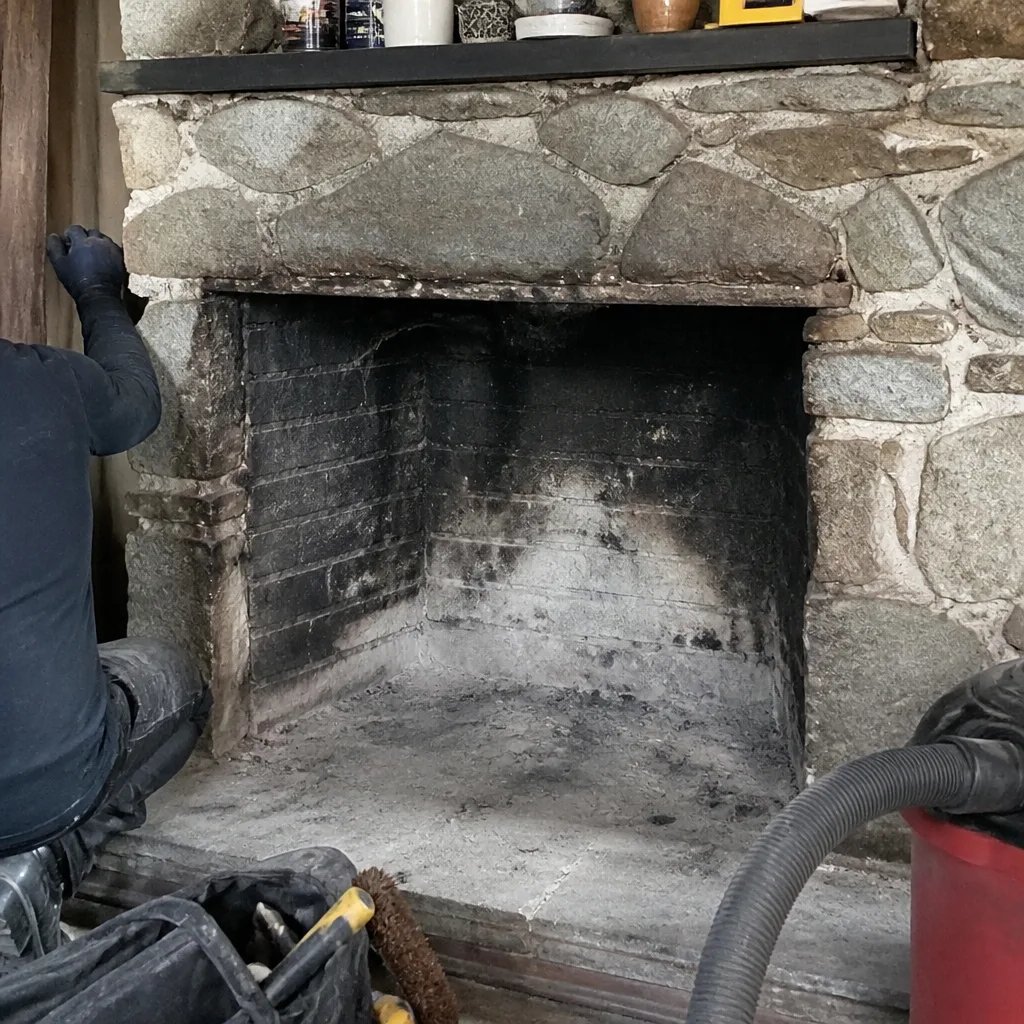 Before
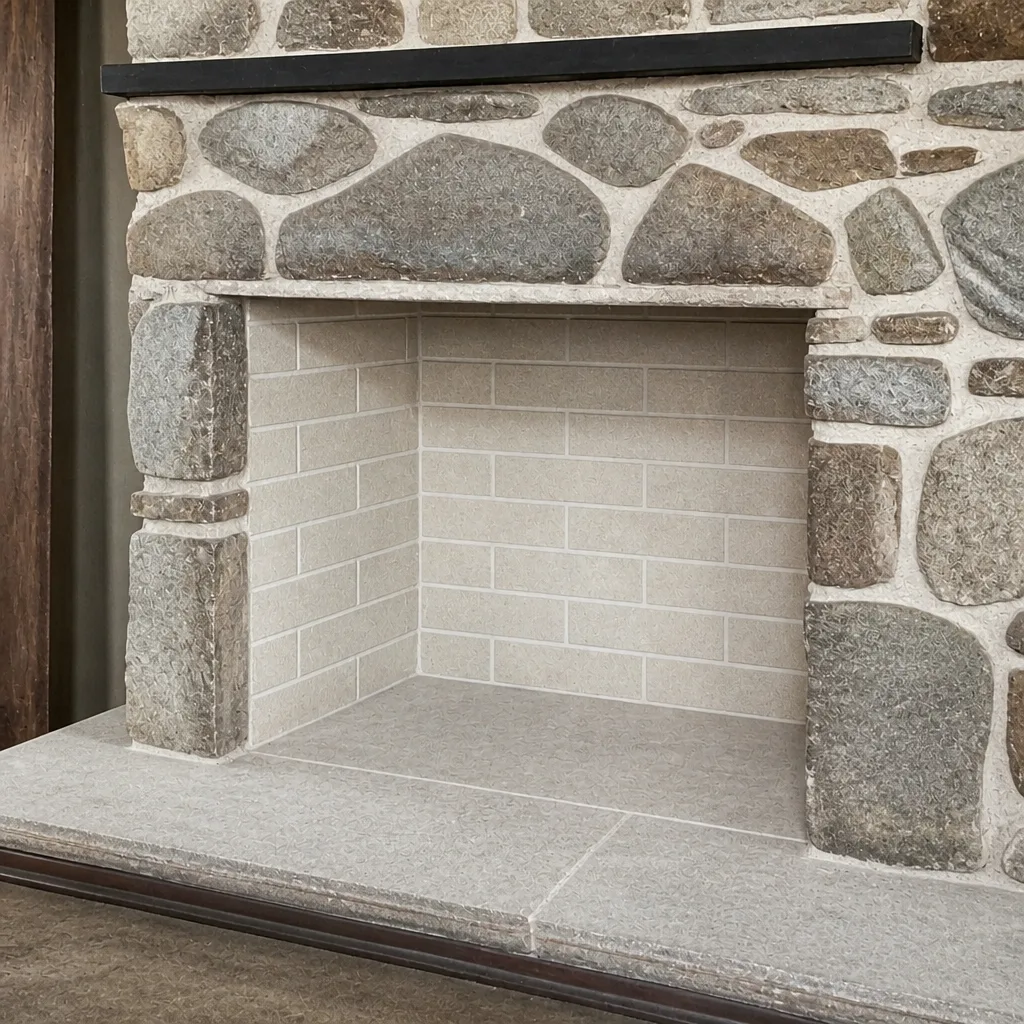 After
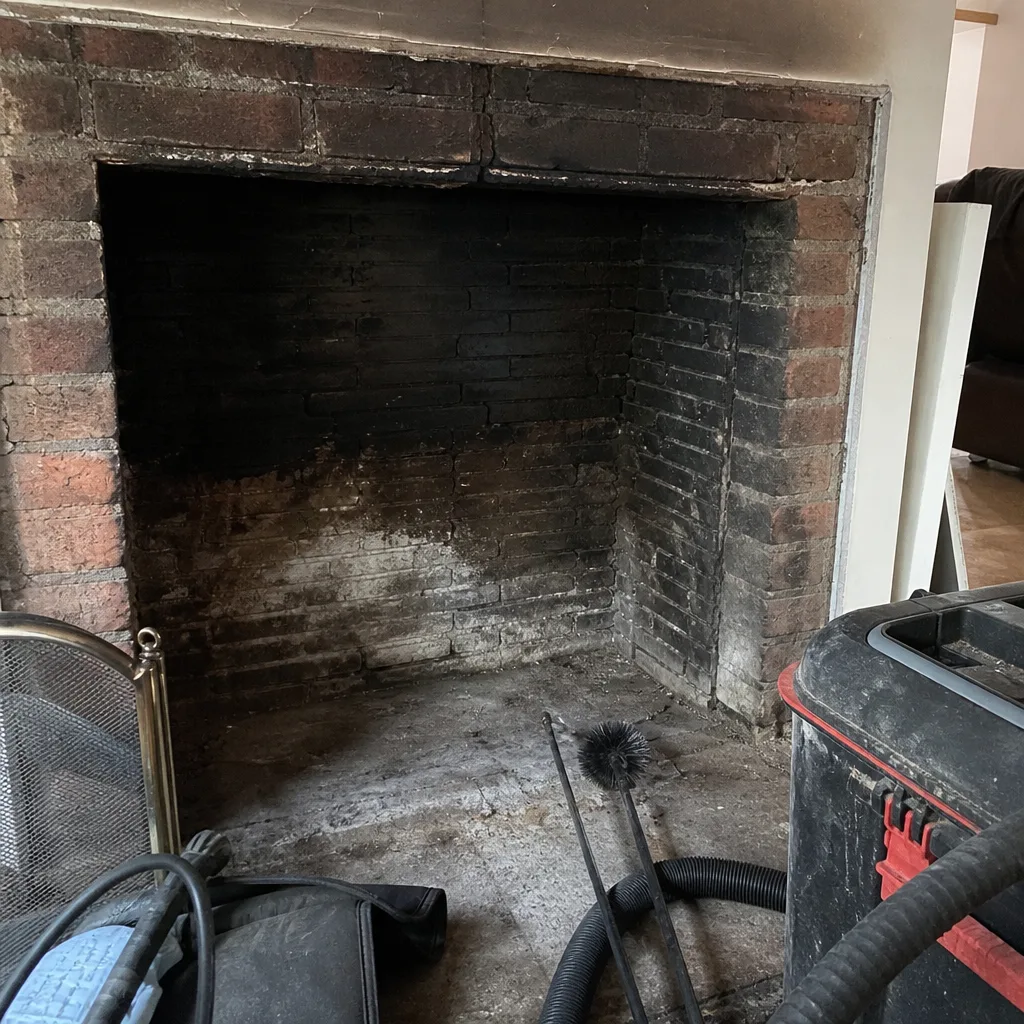 Before
 After
 Before
 After
When to Call a Professional
Call a professional chimney technician any time you’ve moved into a building with an unknown chimney history, whenever an appliance connection changes, and whenever an inspection or a visual look at the crown shows cracks, spalling, or missing cap. Call before your first fire of the season if the chimney hasn’t been swept. Call if a co-op board or managing agent has asked for documentation you don’t have. Call if you’re buying or refinancing in Hell’s Kitchen and the building records show chimney alterations with no corresponding filing. Call if you notice odor, smoke spillage into the room, or draft problems that weren’t there last year. Chimney Sweep Hell’s Kitchen offers free estimates in Hell’s Kitchen: call (866) 947-8139.
Frequently Asked Questions
No. Routine chimney sweeping and the standard inspection that accompanies it are maintenance and don’t require a NYC DOB permit. Sweeping is a brush-and-vacuum process that doesn’t change the chimney. If a technician recommends a liner replacement, crown reconstruction, or any change to how the fireplace vents, that’s the point at which a permit becomes part of the job. Call (866) 947-8139 for an exact quote; estimates are free.
Typical estimates for a chimney sweep in Hell’s Kitchen range based on the number of flues, the accessibility of the roof, and whether an inspection with a camera is included. The written estimate sets the final price, and we don’t price a permit scope as if it were a sweep. We also don’t quote liner work without an inspection first, because the cost of the job depends on what the camera finds. Call (866) 947-8139 for an exact quote; estimates are free.
Not always. A cracked or spalled clay tile liner can sometimes be restored with HeatShield ceramic flue resurfacing, which brings the liner back to a serviceable condition without full replacement. Full relining with a new DuraFlex stainless liner is the right answer when the existing liner is too far gone, incorrectly sized for the appliance, or not suited to the fuel being burned. We don’t recommend replacement without camera evidence you can look at yourself. Call (866) 947-8139 for an inspection and an exact quote; estimates are free.
Once a year for a wood-burning fireplace that sees regular use, and once a year regardless if you use the fireplace at all. Annual inspection matters even more than annual sweeping for systems that sit idle, because damage and obstruction don’t announce themselves. Gas appliances need an annual inspection as well, though they generally produce less creosote. Call (866) 947-8139 for an exact quote; estimates are free.
Creosote accumulates in the liner, and at certain concentrations it can ignite. That’s the chimney fire risk, and it’s real. Carbon monoxide is the other concern: a damaged or blocked flue can stop venting correctly, especially in tightly sealed apartments where a fire is drawing air from indoors. Neither risk requires panic, but both require a sweep and inspection on a regular schedule. Call (866) 947-8139 for an exact quote; estimates are free.
Most buildings will require board approval in addition to any DOB filing, and the board package usually includes a scope of work, proof of insurance, and confirmation that the contractor will file the required permits. Whether the DOB requires a permit is a separate question, and the answer depends on whether the work is maintenance or alteration. Board requirements are set by each building, so ask your managing agent what they need before scheduling. Call (866) 947-8139 if you want help preparing the scope document; estimates are free.
The Bottom Line
The line between a permit-free sweep and a permitted alteration in Hell’s Kitchen comes down to whether the chimney system is being maintained or changed. Sweeping, routine inspection, and cosmetic repairs belong on the maintenance side. Liner replacement, HeatShield resurfacing, crown reconstruction, and appliance conversions belong on the alteration side, and they need a DOB filing. Add Local Law 11 for buildings above six stories, NFPA 211 as the technical standard the work is measured against, and the co-op or condo board as a third approval layer, and you have the full picture. The private inspection report is the document that connects all of it, because it tells you what the system actually needs and what the permit application will say.
If you’re in Hell’s Kitchen and want a straight answer about whether your chimney needs a permit or just a sweep, call us. We’ll inspect the system, show you what the camera sees, and tell you plainly what can wait and what can’t. Call (866) 947-8139. We answer 24/7. Fast dispatch from 7am to 7pm, Sunday through Friday. Free estimates, and the written estimate sets the final price.
Written by the team at Chimney Sweep Hell’s Kitchen.