
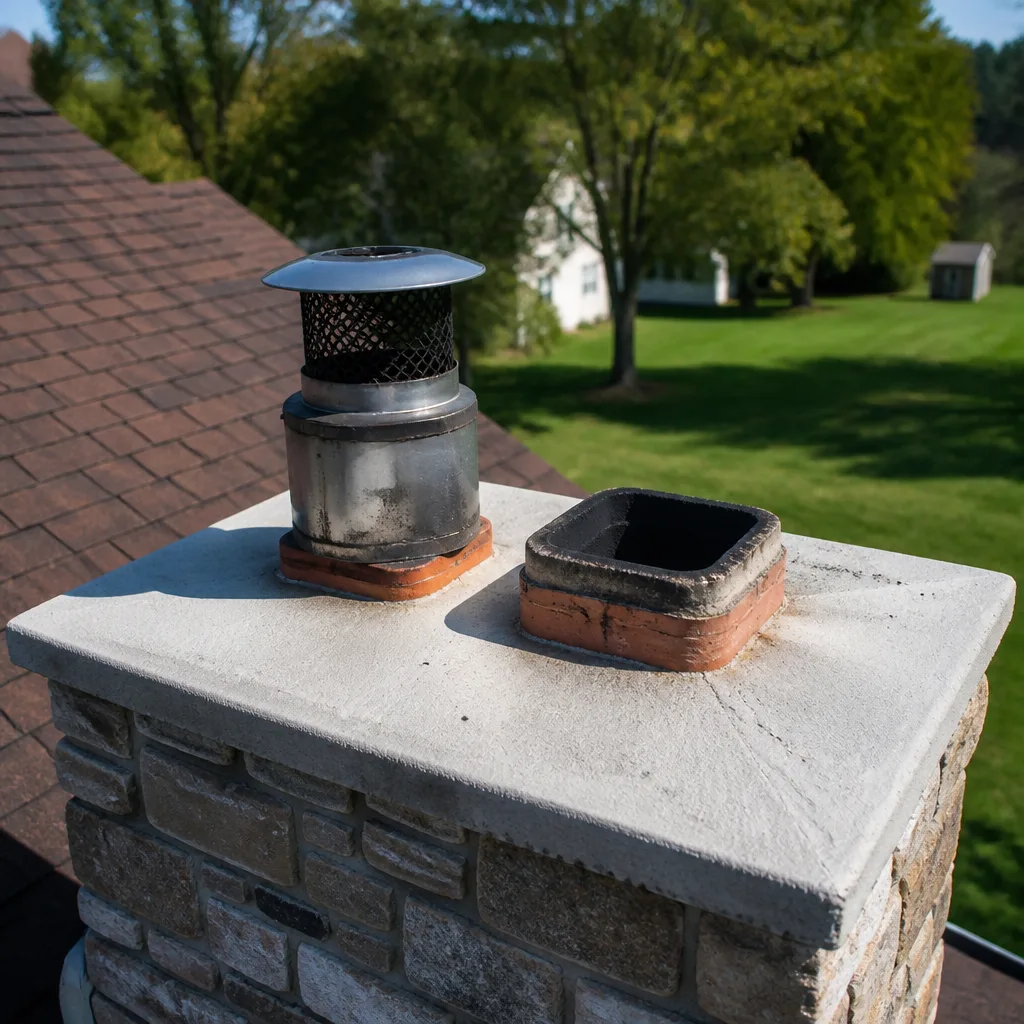
 Sweep & inspection
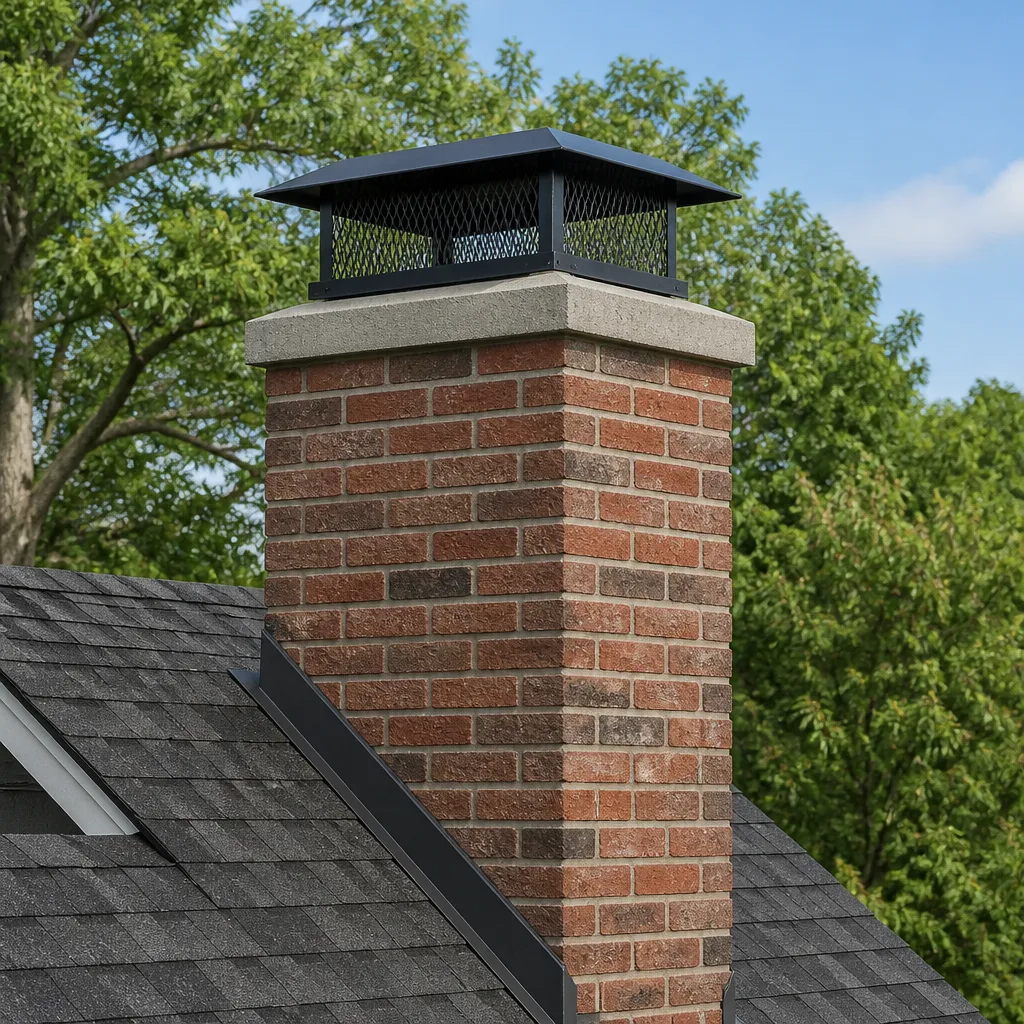 Caps & crowns
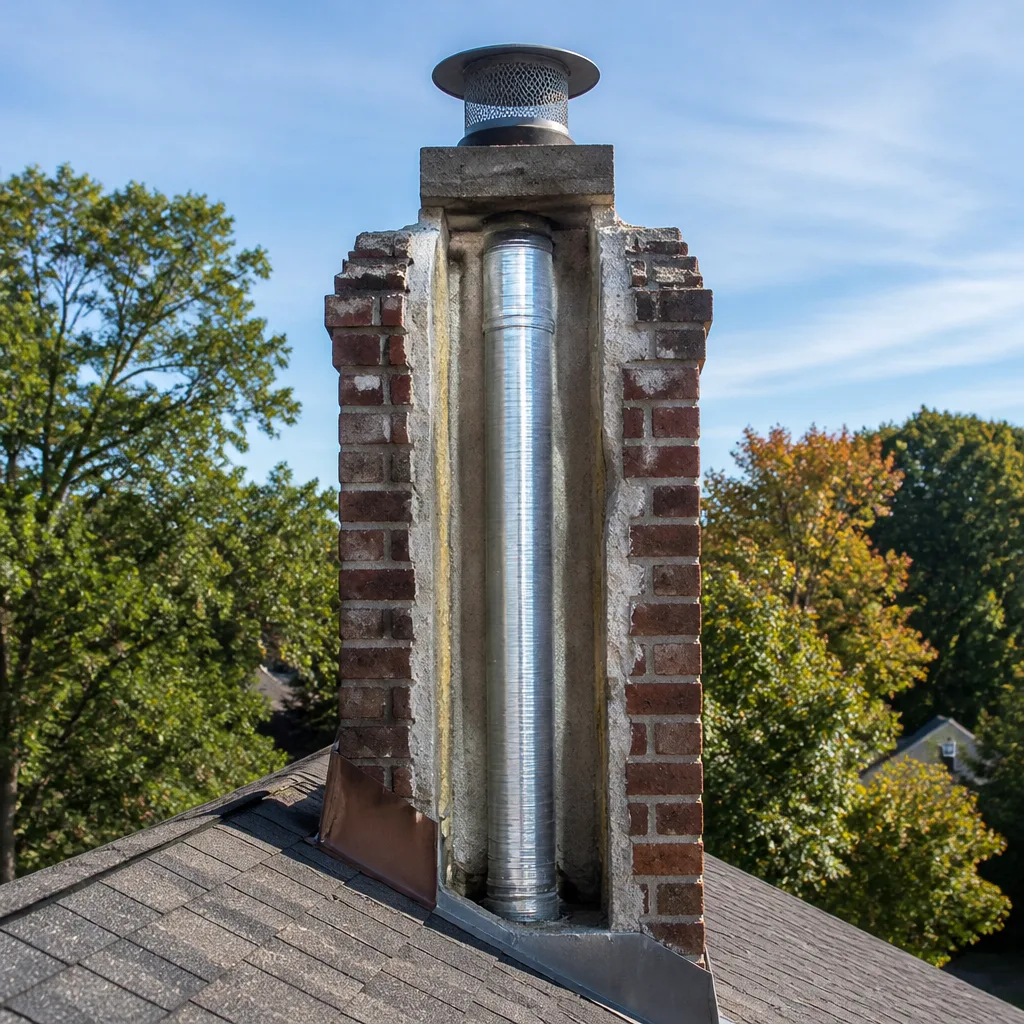 Flue relining
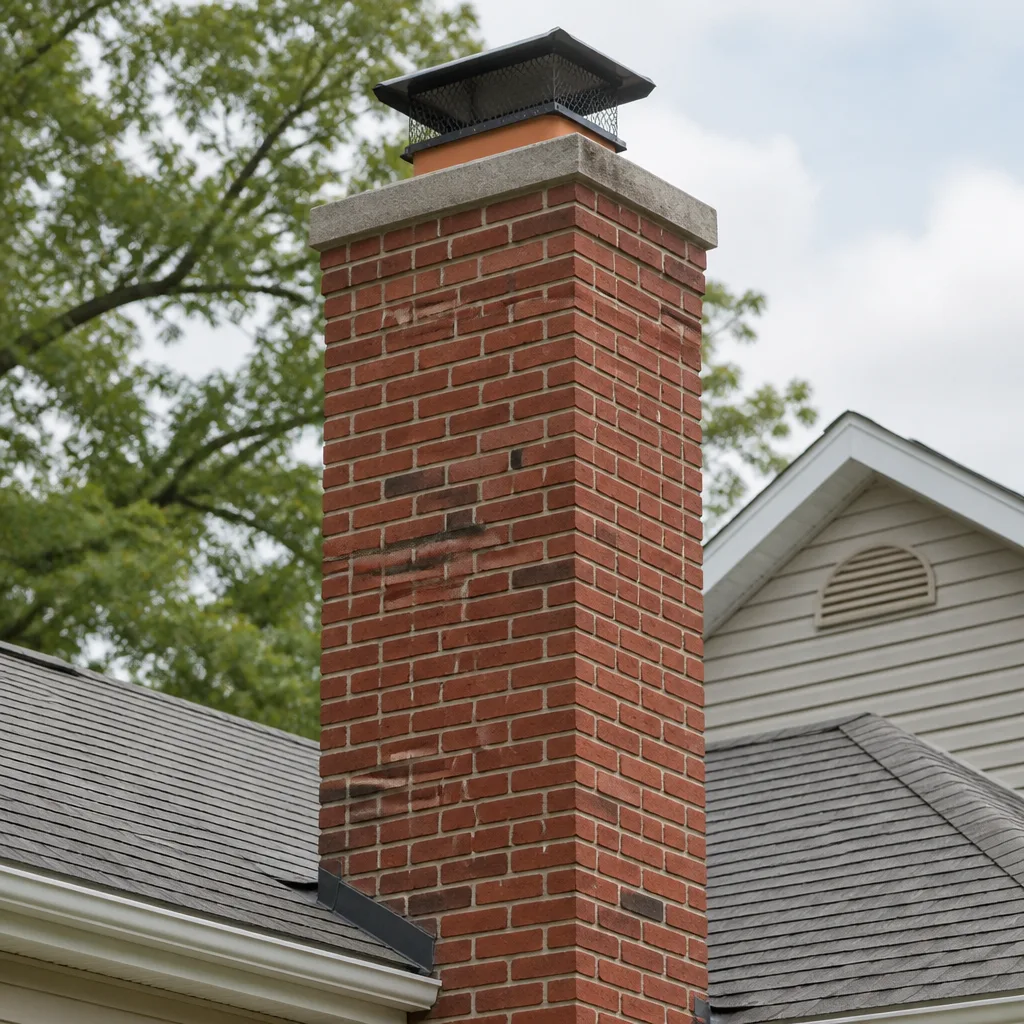 Masonry repair
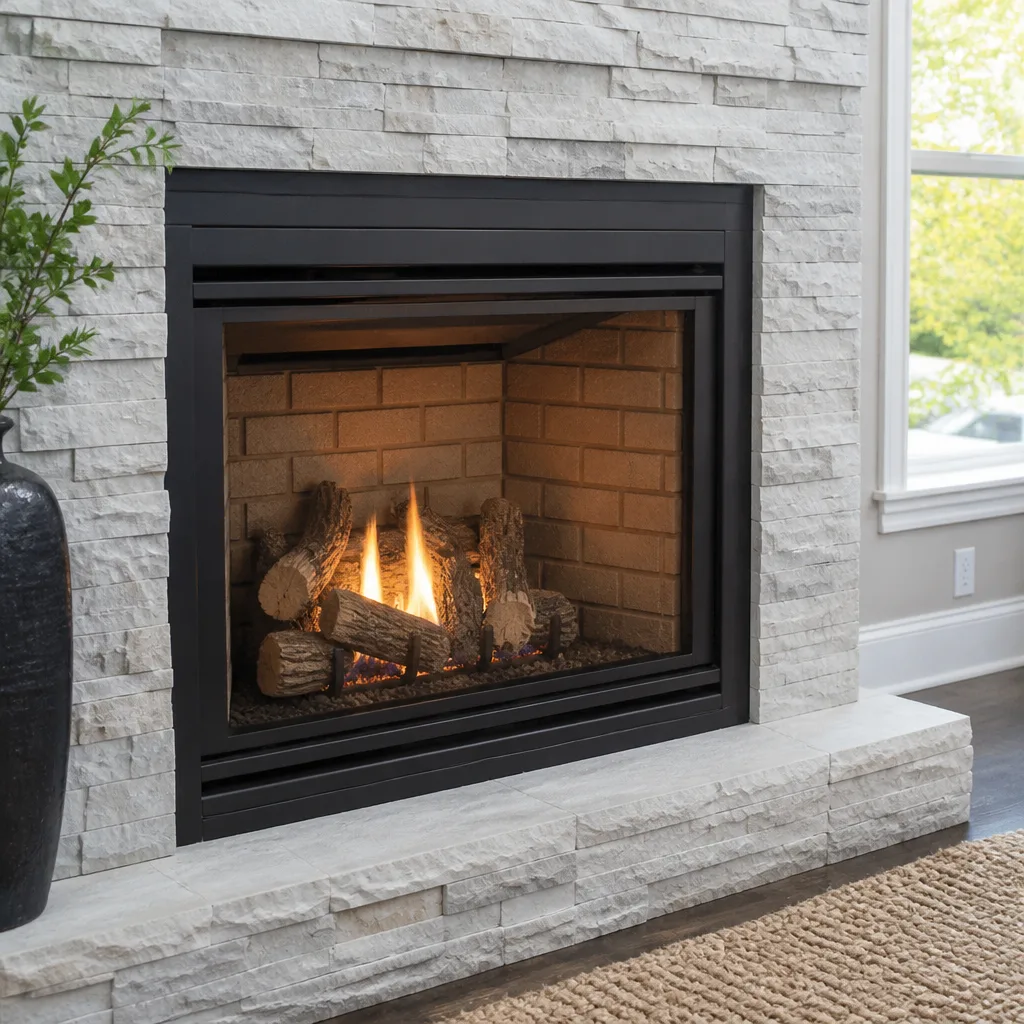 Gas fireplace service
Level 1 sweep and inspection to the NFPA 211 annual standard - flue, crown, cap, and flashing checked and photographed
Chimney sweep logs do not sweep chimneys. They loosen some creosote - which then falls where a brush and vacuum still have to collect it.
Styles & brands we work with
- Sweep & inspection
- Caps & crowns
- Flue relining
- Masonry repair
- Gas fireplace service
See the difference
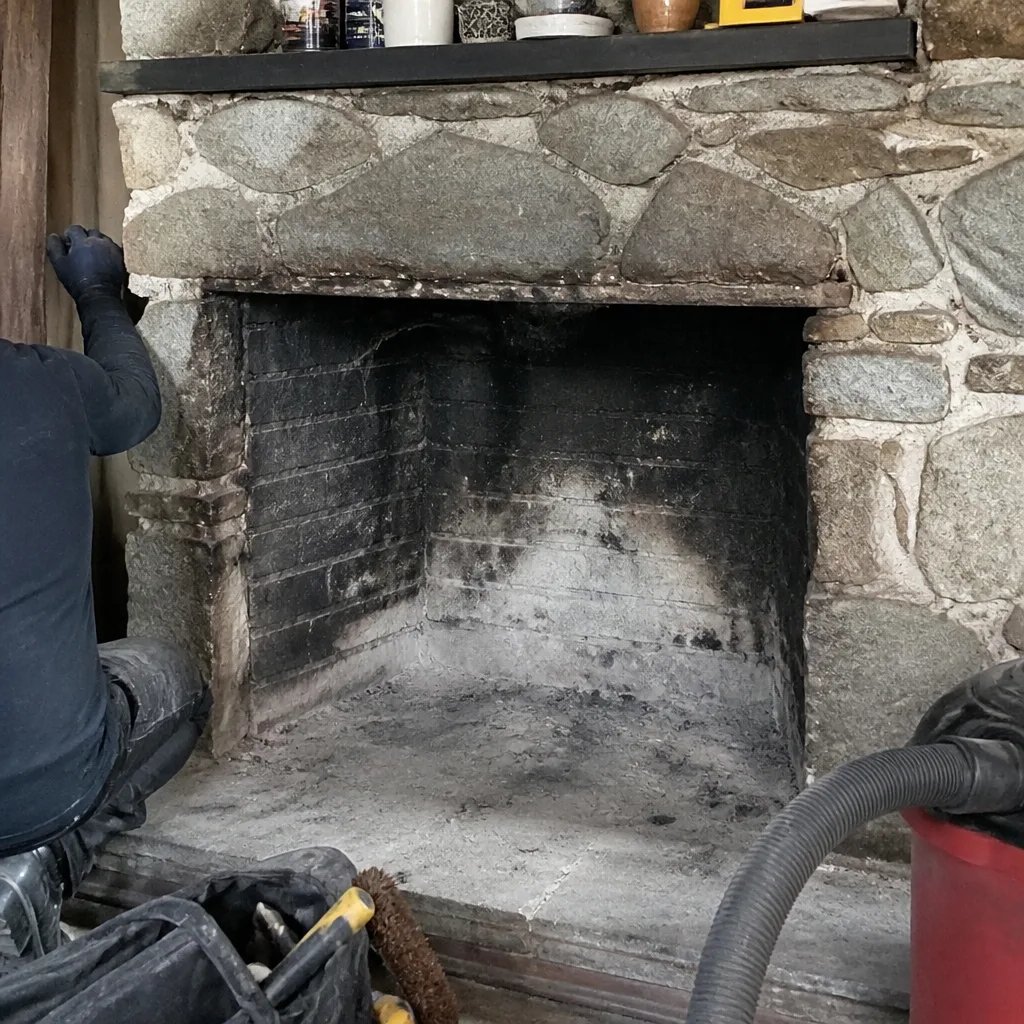 Before
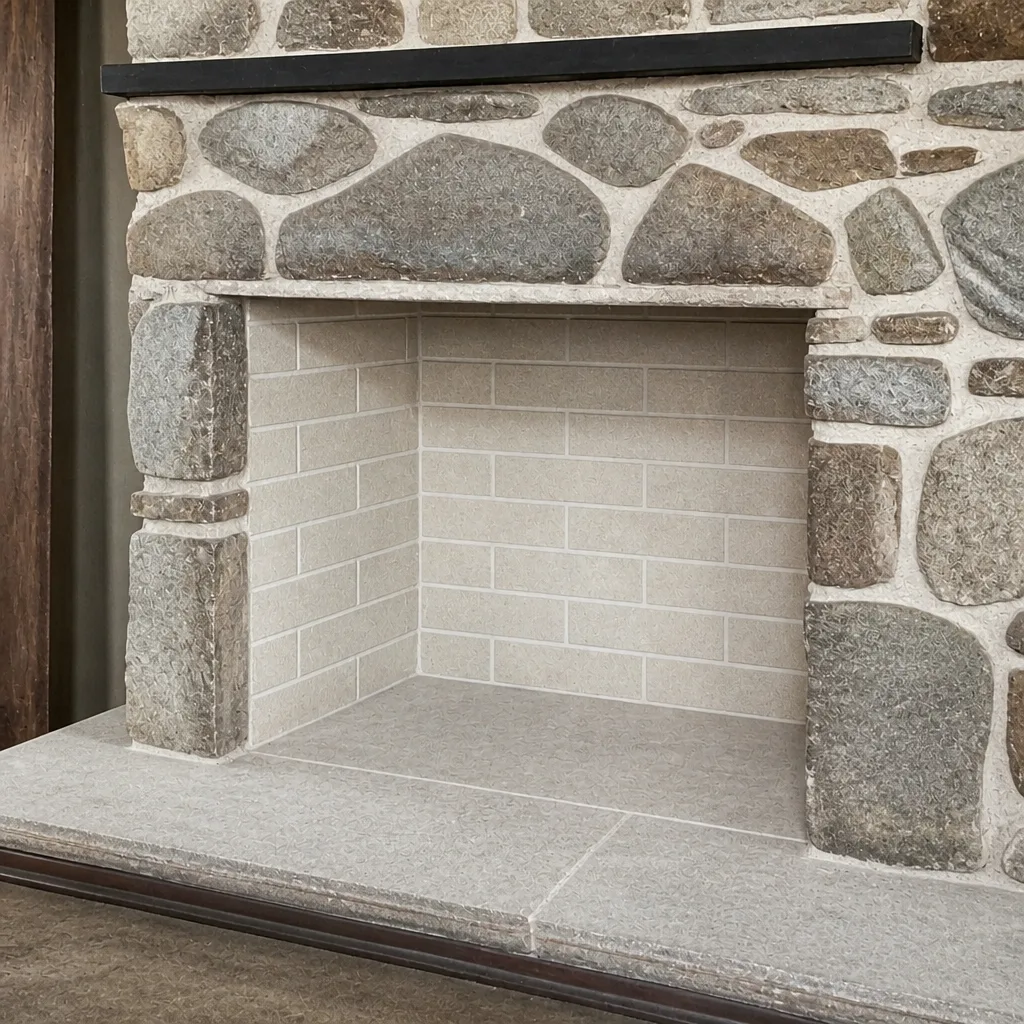 After
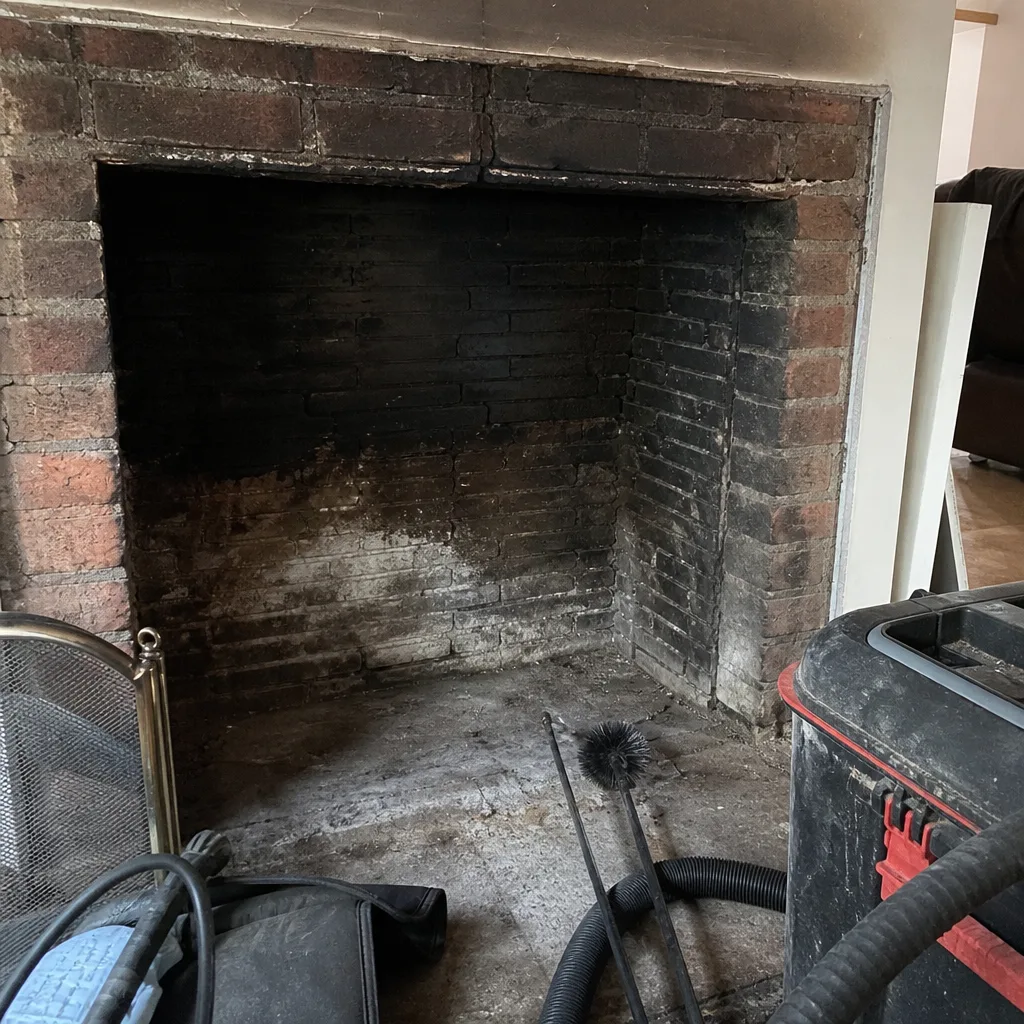 Before
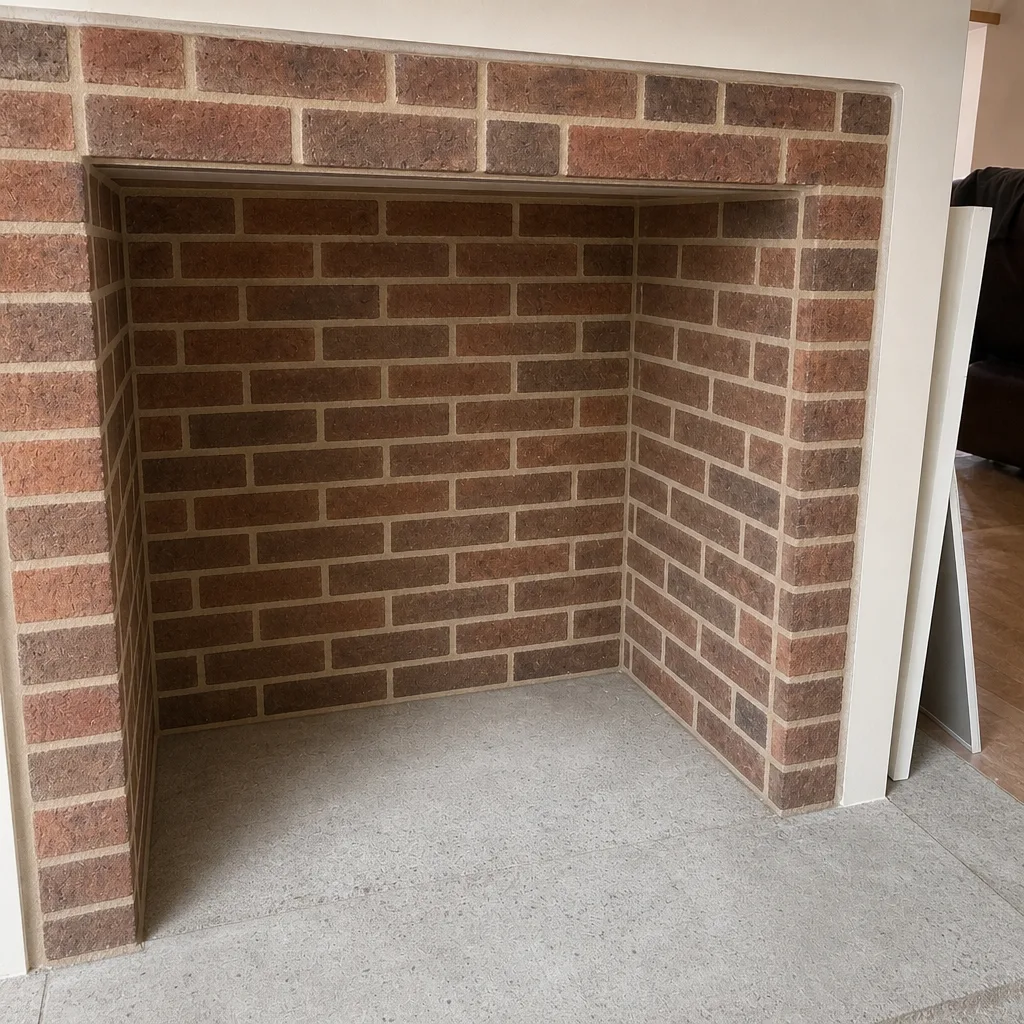 After
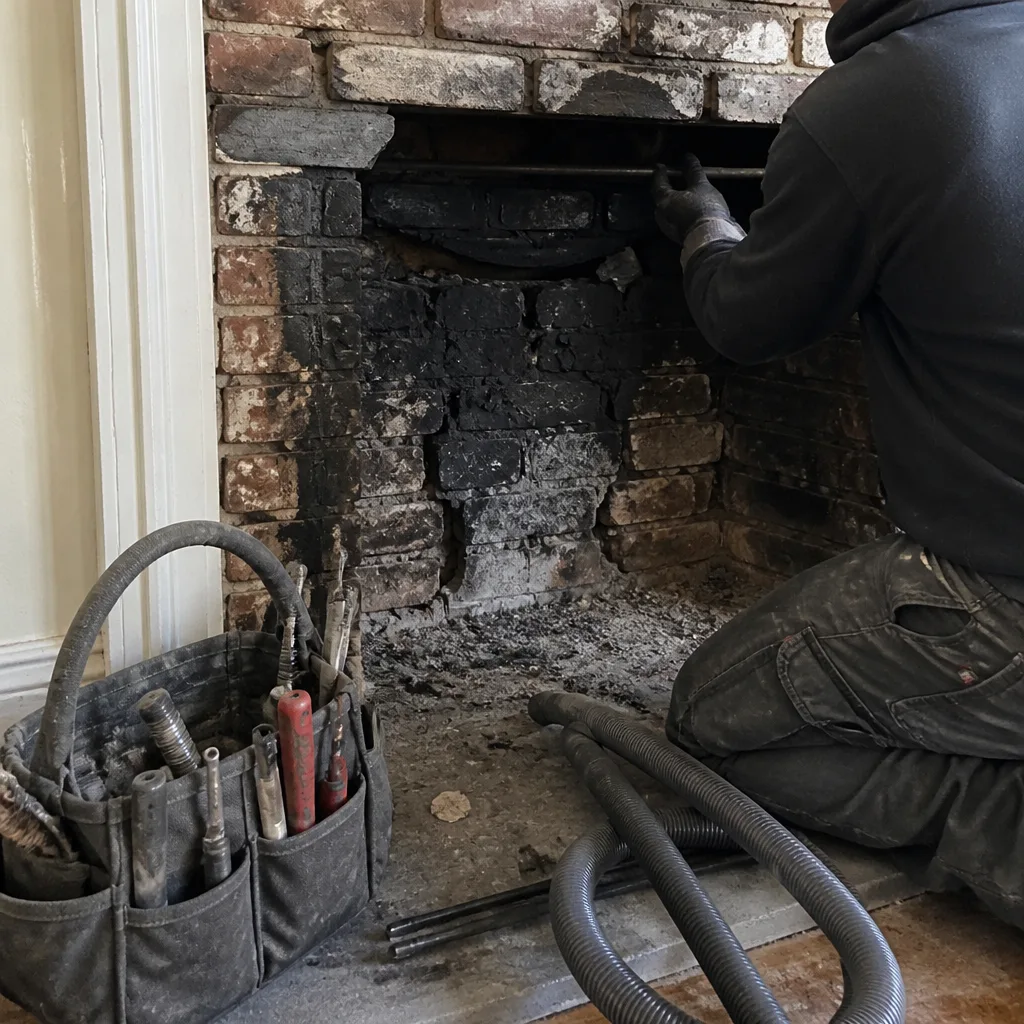 Before
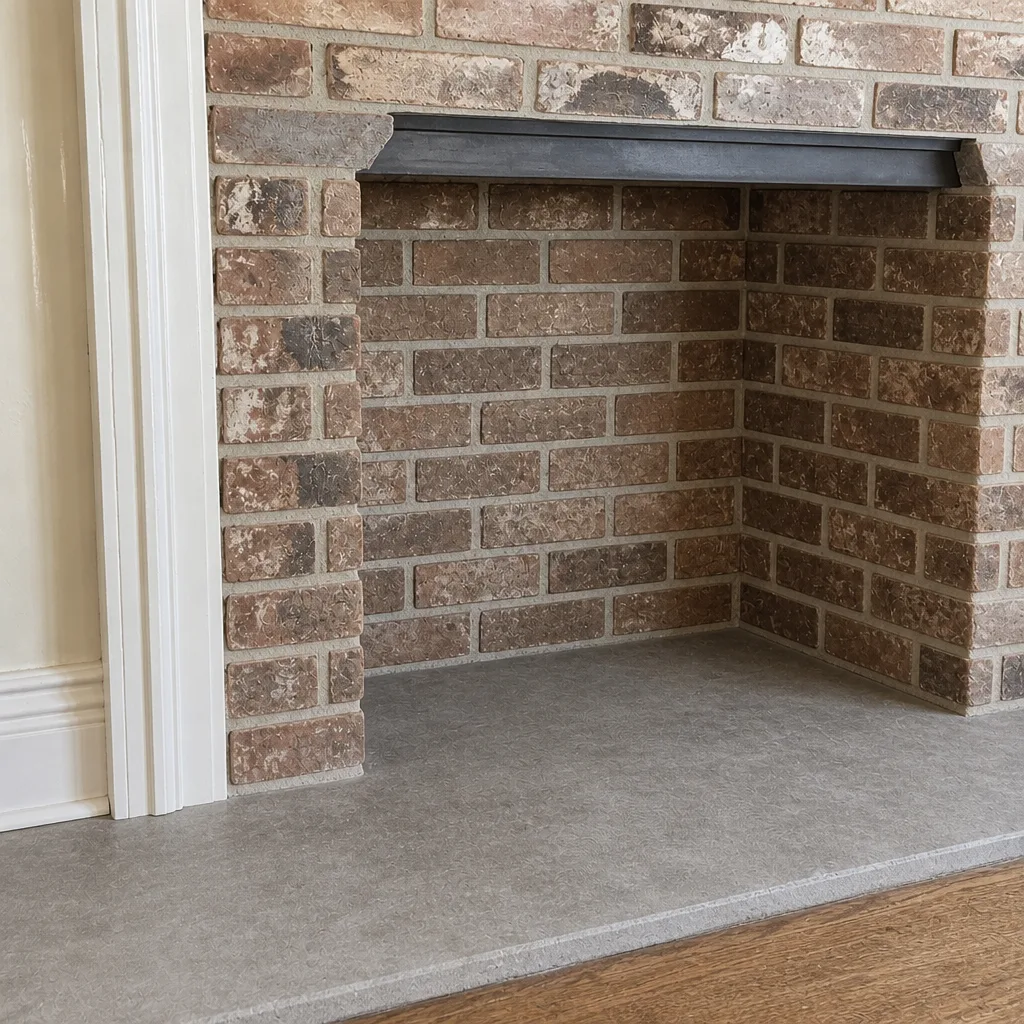 After
How Much Does Chimney Cleaning Cost in Gramercy?
A standard chimney cleaning in Gramercy typically runs $180 to $320 for a single flue, and most homes here land near the middle of that range. That figure covers a proper sweep of the flue plus a basic visual check of the firebox, damper, and cap. If the technician finds a cracked crown, a deteriorating liner, or heavy creosote glaze, the estimate will include that repair work separately – and we give you those numbers in writing before anything starts.
Gramercy is a neighborhood of older brownstones and prewar walk-ups where the chimney was built decades before anyone thought about modern venting. That matters for pricing. A flue that’s been serving a wood-burning fireplace for a long stretch usually needs more attention than a newer gas insert flue, and the sweep has to account for what’s actually inside the stack, not just what’s visible from the hearth.
We answer 24/7. Fast dispatch from 7am to 7pm, Sunday through Friday. Estimates are free, and the written estimate sets the final price.
Key Takeaways
- Standard single-flue chimney cleaning in Gramercy: $180 to $320.
- Two-flue or multi-appliance stacks: $300 to $520.
- Heavy creosote removal (glazed, third-degree): adds $150 to $450.
- A chimney inspection paired with the sweep: $150 to $400.
- HeatShield flue resurfacing, when the liner is worn but salvageable: $1,200 to $3,000 – often far less than full relining.
Chimney Cleaning Cost Breakdown (2026)
Here’s how the work breaks down by line item. These are typical ranges for the Gramercy market, not quotes. Every home is different, and the technician confirms scope on site before any work begins.
| Service | Typical Cost Range | What It Covers |
|---|---|---|
| Standard chimney sweep (one flue) | $180 – $320 | Full flue brush, firebox and damper cleaning, basic visual check, debris removal |
| Additional flue | $120 – $200 each | Same scope applied to a second flue or appliance connection |
| Heavy creosote removal | $150 – $450 added | Glazed or hardened creosote that resists a standard brush; requires chemical or rotary methods |
| Chimney inspection (Level 1 or 2) | $150 – $400 | Camera-assisted evaluation of the liner, joints, crown, and cap; video documentation |
| Cap and crown repair | $250 – $900 | Sealing or rebuilding a cracked crown, reseating or replacing a cap |
| HeatShield flue resurfacing | $1,200 – $3,000 | Ceramic resurfacing of a deteriorated but structurally sound liner |
| Fireplace repair (firebox, damper, masonry) | $300 – $1,800 | Rebuilding damaged firebox brick, replacing a damper, repointing mortar joints |
What pushes a job toward the top of these ranges? Creosote buildup is the big one. A lightly used fireplace with thin, flaky creosote sweeps out in an hour. A flue that’s been burning green wood for years can carry glazed creosote that’s bonded to the liner, and that takes rotary tools plus a second pass. Access matters too – a rooftop run with a steep pitch or a tight mechanical chase adds labor. And if you’ve never had the chimney inspected, pairing the sweep with an inspection is the smart move, because it’s the only way to know whether the liner is intact or quietly failing behind the mortar.
We don’t just sweep – we diagnose. The full chimney system, inspected, cleaned, and repaired under one roof.
What Affects Chimney Cleaning Pricing in Gramercy
- Age and construction of the building. Gramercy’s brownstones and prewar buildings often have original masonry chimneys with clay tile liners that have been through a lot of heating seasons. Older stacks tend to need more careful handling, and sometimes the liner itself is the reason a simple sweep turns into a repair conversation.
- Number of flues and appliances. A building with a wood fireplace plus a gas furnace venting through the same chimney means two flues to clean and two caps to check. Each connection adds time and cost.
- Creosote condition. The single biggest swing factor. Flaky, brushable creosote is routine. Glazed creosote – the hardened, tar-like stage – needs specialized removal tools and more time, and it’s a genuine fire hazard that can’t wait.
- Access and roof conditions. A flat or gently sloped roof makes access straightforward. Steep pitches, skylights in the way, or a chimney set back behind parapets add setup time. This is common in the denser blocks around Gramercy Park and Irving Place.
- Whether an inspection is included. A sweep alone tells you the flue is clean. An inspection tells you whether the liner, crown, and joints are sound. The two are priced separately because they answer different questions.
- What’s found once we’re inside. Cracked crown, spalling brick, a rusted damper, a missing cap – each of these is a line item on the written estimate, not a surprise added to the bill. Cap and crown work addresses the leading cause of water intrusion and structural chimney damage, and it’s the repair most sweep-only companies ignore or hand off to someone else.
Why Chimney Cleaning Costs What It Does in Gramercy
Cleaning a chimney isn’t a five-minute brush job, and the price reflects the real work. A proper sweep means protecting the interior of your home, setting up containment, running the right brush for the flue’s shape and liner type, and hauling the debris out without leaving soot on your floors. That’s the baseline. What separates a real cleaning from a quick pass is what happens next: the technician checks the damper, looks at the firebox for cracked brick or loose mortar, examines the smoke chamber, and gets eyes on the crown and cap from the roof.
In Gramercy specifically, the housing stock shapes the work. These are buildings where the chimney has been in service for generations, and the systems behind the wall are rarely documented. A sweep without an inspection in a building like that is guesswork. We’d rather tell you what we see – the liner’s condition, whether the crown is holding, whether the cap is doing its job – than hand you a receipt and leave.
We work with professional-grade materials from the brands chimney specialists trust, including DuraFlex, HeatShield, Gelco, Olympia Chimney, Famco, and Copperfield. That matters most when a sweep uncovers something that needs repair: we’re not improvising with whatever’s on hand, and we’re not handing you off to a second contractor who has to start the assessment over.
For the broader picture of how a sweep fits into overall chimney care, the chimney sweep Hell’s Kitchen page covers what a full-system service looks like from start to finish.
Chimney Sweep vs. Chimney Inspection: What’s the Difference in Cost?
A chimney sweep removes soot, ash, and creosote from the flue and firebox. A chimney inspection evaluates the condition of the entire system – liner, crown, cap, damper, smoke chamber, and masonry – usually with a camera and video documentation. They’re separate services with separate prices, and skipping the inspection is how small problems turn into expensive ones.
In Gramercy, a sweep alone runs $180 to $320. An inspection runs $150 to $400 depending on level. When you book both together, the technician sweeps first so the camera can see the liner clearly, then documents what’s there. That combination is the one we recommend for any chimney that hasn’t been looked at in a while, and for any home where the fireplace history is unknown.
Why does it matter? A flue can sweep perfectly clean and still be unsafe if the liner has cracked or the joints have failed. The camera is the only way to see it. If the inspection finds a deteriorating liner that’s still structurally sound, we can resurface it with HeatShield ceramic material – a restoration method that costs far less than tearing out and relining the whole flue. It’s a repair most competitors simply can’t perform, and it saves homeowners real money when the liner is a candidate for it.
How to Save on Chimney Cleaning
The single best way to keep chimney costs down is to stay ahead of the creosote. Once buildup glazes, the removal cost climbs fast, and that’s before you consider the fire risk. A few practical habits help:
- Burn dry, seasoned wood. Wet wood produces far more creosote. Dry wood burns hotter and cleaner, which means less buildup between cleanings.
- Don’t skip the annual sweep. A routine cleaning at the lower end of the range is cheaper than an annual cleaning that’s turned into heavy-creosote removal.
- Keep the cap in good shape. A missing or damaged cap lets rain and animals in, and water is what cracks crowns and ruins liners. Cap and crown work is preventive, not an upsell.
- Batch your services. If you need a sweep and an inspection, or a sweep and a small repair, book them together. The technician is already on site, and the written estimate will reflect that.
- Ask what’s free. Estimates from us are free. Call (866) 947-8139 and we’ll talk through what your chimney likely needs and what it should cost.
Estimates are free, and the written estimate sets the final price. We answer 24/7. Fast dispatch from 7am to 7pm, Sunday through Friday.
Should You Repair or Replace a Deteriorating Flue Liner?
Not every failing liner needs full replacement. When the liner is worn or has surface deterioration but the structure is still sound, HeatShield ceramic resurfacing can restore it – typically $1,200 to $3,000. Full relining with a DuraFlex stainless liner typically runs $3,500 to $7,000 or more. That’s a meaningful difference for a Gramercy brownstone owner facing a liner problem.
The honest answer is that it depends on what the inspection shows. A liner with localized cracks and sound mortar is often a resurfacing candidate. A liner that’s collapsed or has lost structural integrity needs replacement. We don’t default to the expensive option, and we don’t push resurfacing onto a flue that actually needs relining. The camera tells us which is which, and the written estimate lays out both paths when both are viable. Call (866) 947-8139 to schedule an inspection – the estimate is free.
What Does Chimney Cap and Crown Work Cost, and Why Does It Matter?
A chimney cap and crown repair in Gramercy typically runs $250 to $900 depending on whether the crown needs sealing or rebuilding and whether the cap is being reseated or replaced. It’s one of the most cost-effective things a homeowner can do, because the crown and cap are the chimney’s first line of defense against water.
Rain is the quiet destroyer of masonry chimneys. Water gets into a cracked crown, freezes in the joints over winter, and spalls the brick from the inside. By the time it’s visible from the street, the repair is no longer a crown repair – it’s masonry work. That’s why cap and crown work is a core part of what we do, not an add-on. Cap, crown, liner, firebox – if it’s part of your chimney, it’s in our scope.
Do You Need a Chimney Inspection Before Selling or Buying in Gramercy?
It’s a common question during a real estate transaction, and the practical answer is yes – a Level 2 inspection is the standard for a sale because the camera sees what a visual check from the hearth can’t. Real estate transactions in Gramercy’s older buildings often surface hidden liner problems, and buyers want documentation. The inspection runs $150 to $400 and gives both sides a clear picture of what’s there.
We deliver video documentation of the flue so the report is something you can actually show a buyer, a seller, or an attorney. The findings go directly to our repair team when work is needed, so there’s no second contractor to schedule and no gap between what the inspector found and what the repair crew fixes.
When’s the Best Time to Book a Chimney Cleaning in Gramercy?
Before the heating season, ideally. Homeowners who book a sweep in late summer or early fall get ahead of the winter rush and find out about liner problems with time to fix them. That said, we work year-round, and there’s no wrong time to get a chimney checked – a flue that sat through a cold winter with a cracked crown needs attention in spring as much as fall.
For a wood-burning fireplace, an annual sweep is the general rule. For gas appliances, the schedule can stretch, but the inspection rhythm should stay regular because gas venting has its own failure modes. If you’re not sure when your chimney was last serviced, that’s your answer – book a sweep and an inspection together and get a baseline.
FAQs – Chimney Cleaning Cost
How much does chimney cleaning cost in Gramercy?
A standard single-flue chimney cleaning in Gramercy costs $180 to $320. Multi-flue stacks run $300 to $520, and heavy creosote removal adds $150 to $450. Call (866) 947-8139 for an exact quote – estimates are free.
Is chimney cleaning worth the money?
Yes. A $180 to $320 sweep removes the creosote that causes chimney fires and gives a technician eyes on the liner, crown, and cap before a small problem becomes a $3,000 to $7,000 relining job. Call (866) 947-8139 to book a sweep and find out what shape your chimney is in.
How often should a chimney be cleaned in Gramercy?
Once a year for a wood-burning fireplace is the standard recommendation. Gas appliance flues can go longer between sweeps but should still be inspected regularly. Call (866) 947-8139 and we’ll tell you what your setup likely needs.
Does homeowners insurance cover chimney cleaning or repair?
Routine cleaning is a maintenance cost and typically isn’t covered. Repair after a covered event, like a fire or storm damage, sometimes is. We can work with your insurer and provide documentation of what we find. Call (866) 947-8139 with questions about your situation – estimates are free.
Can you come today?
Same-day dispatch is often possible. Call (866) 947-8139 and we’ll tell you the next opening. We answer 24/7. Fast dispatch from 7am to 7pm, Sunday through Friday. A call outside dispatch hours is booked into the next opening.
What’s the difference between a chimney sweep and a chimney inspection?
The sweep cleans; the inspection evaluates condition with a camera. Sweeps run $180 to $320; inspections run $150 to $400. Booking both together is the smart move for any chimney with unknown history. Call (866) 947-8139 to schedule both.
How much does a chimney cap and crown repair cost in Gramercy?
Typically $250 to $900 depending on whether the crown needs sealing or rebuilding and whether the cap is being replaced. This is the leading cause of water damage to chimneys, so it’s worth addressing before winter. Call (866) 947-8139 for a free estimate.
Book a Chimney Cleaning in Gramercy
If your fireplace has been sitting unused or you’ve never had the chimney properly inspected, the cheapest move is also the smartest one: get a sweep and an inspection, find out what’s actually there, and get a written estimate before any repair starts. We handle the full chimney system – sweep, cap and crown, repair, inspection, and fireplace repair – with professional-grade materials from DuraFlex, HeatShield, Gelco, Olympia Chimney, Famco, and Copperfield. Our technicians have up to 14 years of experience, and the local pro we connect you with is licensed and insured as their state requires.
Call (866) 947-8139 for a free estimate. We answer 24/7. Fast dispatch from 7am to 7pm, Sunday through Friday. The written estimate sets the final price.
Written by the team at Chimney Sweep Hell’s Kitchen.
Pricing reflects the Gramercy market as of 2026. Chimney Sweep Hell’s Kitchen offers free estimates – call (866) 947-8139.
What Our Customers Say
"Cap keeps the birds out now, which after two springs of scratching noises is worth every penny."
- Brianna Boyd"Crown was cracked and taking water. Repaired it rather than quoting a rebuild, which the previous company had pushed hard for."
- Emily Ziegler"Swept it, capped it, and installed a proper damper. The downdraft smell in the summer that we'd lived with for years is gone."
- Kelly Whitaker