
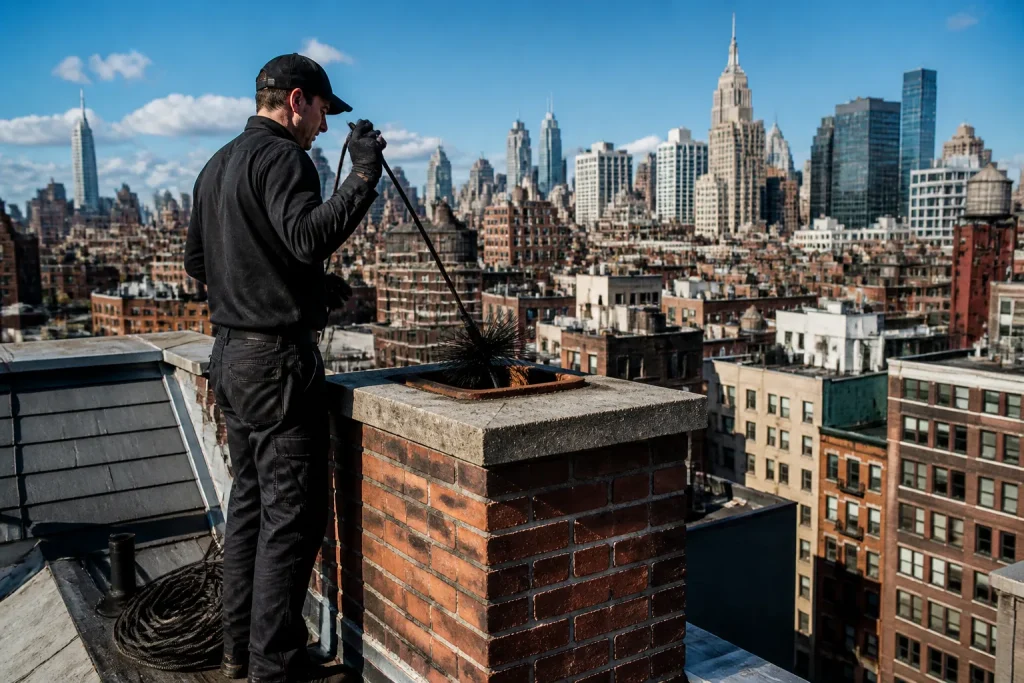
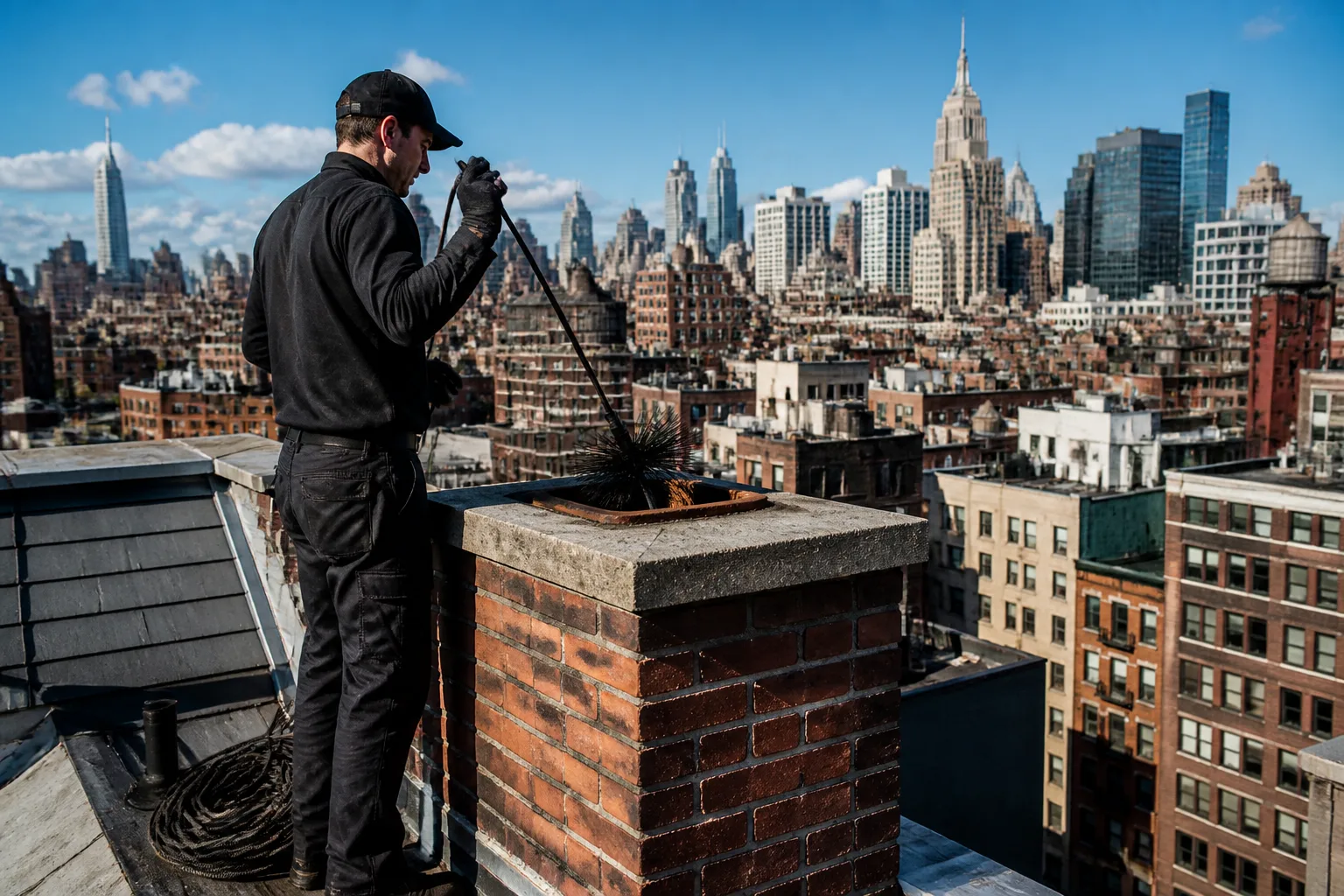
Gelco Chimney Sweep in Hell’s Kitchen: A Homeowner’s Guide
If a technician listed “Gelco” on your chimney estimate and you Googled it expecting a company to call, you’re not alone. Gelco is a professional-grade chimney supply brand, not a service company, so that line item describes the materials going into your chimney, not the crew installing them. Understanding the difference tells you a lot about how a job is being done, and it starts with reading the estimate properly.
If you’d rather not decode it yourself, call (866) 947-8139 and we’ll walk through the scope with you.
What Is Gelco, Exactly?
Gelco is a brand that manufactures chimney and fireplace products sold to the trade, which means its catalog is built for professionals who specify materials by performance, not homeowners browsing a shelf. If you saw the name on paperwork, you were looking at a material specification, not a contractor’s business name. That’s a useful distinction, because two estimates can list the same total and use very different products to get there.
Chimney professionals typically specify Gelco products across several categories:
- Sealants and adhesives rated for high-temperature flue conditions and exterior weather exposure
- Caps and top components that close off the flue from rain, birds and debris
- Liner components used in relining and flue restoration work
- Mortar and refractory compounds for crown and firebox repair
The reason a technician reaches for these instead of a general-purpose caulk or mortar from a hardware store comes down to temperature. A chimney’s interior cycles through heat and cooling, and its exterior faces freeze-thaw and wind-driven rain in Hell’s Kitchen’s climate. Materials that aren’t rated for both will fail early, and an early failure on a crown or cap is exactly how water gets into a chimney.
We work with Gelco alongside DuraFlex and other recognized trade brands because they hold up under conditions that ordinary materials don’t tolerate. That’s the whole case for them.
Why Trade Brands on an Estimate Matter
A named professional brand on an estimate is a signal that the contractor works to an industry standard rather than improvising. It’s not a guarantee of quality work, but it does tell you the person writing the scope thinks in terms of rated materials and specific applications. Here’s what that usually means in practice:
- They’ve thought about the failure mode. A crown joint that cracks isn’t fixed by the same product as a firebox crack, and a pro who names materials has already matched product to problem.
- They’re accountable to a specification. Trade-brand materials come with manufacturer instructions for application and curing. That gives you something to check against.
- They’re not defaulting to the cheapest path. Hardware-store caulk is cheaper than a rated sealant. A named product on the paperwork suggests the scope wasn’t lowballed.
- They can warranty what they install. Product-specific materials are easier for a contractor to stand behind than a generic substitute.
In Hell’s Kitchen, where many buildings are older and chimneys have been patched over the years, we often find the opposite problem: layers of the wrong material applied over the right one. A proper assessment starts with identifying what’s already there before anything new goes on. A trained eye matters more here than a brand name alone, since our technicians have up to 14 years of experience reading these systems.
The Gelco Products You’ll See Most in Hell’s Kitchen Chimney Work
The specific Gelco products that show up most often in Hell’s Kitchen depend on what fails first in this climate and building stock. Water intrusion at the top of the chimney is the recurring theme, followed by firebox and crown wear from regular wood burning. These are the categories you’ll commonly see specified:
- Crown and mortar repair compounds for cracked or spalling crowns and deteriorating mortar joints. A crown that’s failed lets water run behind the flue, which is the root of a lot of larger damage.
- High-temperature sealants for joints around the flue, damper and firebox where ordinary caulk would degrade.
- Caps and top-sealing components to close the flue opening from weather and animals, part of our chimney cap & crown work.
- Liner and flue components used in relining or, where the flue is still structurally sound, in restoration work.
The problem each of these solves is specific. A crown compound addresses water tracking into the chimney structure. A high-temperature sealant addresses smoke and heat leaking at joints. A cap addresses the flue opening itself. None of them is an upgrade for its own sake, and if an estimate lists one without explaining which problem it solves, ask.
How to Read a Chimney Estimate Line by Line
Reading an estimate well means understanding the materials and the scope, not just the total. A well-written chimney estimate separates diagnosis from treatment, names products, and explains why each line is there. Use this as a checklist when you review one in Hell’s Kitchen:
- The inspection findings. What was actually observed, and where. A scope that names the problem (cracked crown, deteriorated mortar joint, damaged flue tile) is easier to verify than a vague one.
- The material named per line. If a line says “sealant,” ask which product and why that one. A pro can answer in a sentence.
- The reason for the material. Rated for heat? For exterior weather? Both? The answer should connect to the specific component.
- What’s excluded. A good estimate tells you what isn’t included, so you’re not surprised later.
- Sequencing. If crown repair and a sweep are both listed, the order matters, and the estimate should reflect it.
We include camera inspection and a photo report so you can see the evidence behind each line rather than taking our word for it. Nothing gets recommended that you can’t see for yourself. When work can safely wait, we say so.
For a deeper look at the full scope of what we handle, see our chimney repair page or start with a routine chimney sweep.
Questions to Ask Before You Hire
A contractor citing trade-brand materials should be able to answer a few direct questions about how they’ll be applied. The answers separate a real material spec from a line item added for credibility. Ask:
- Which product, and why this one for this problem? The answer should tie to the component and its conditions, not a general “it’s the best.”
- What’s the surface prep? Most rated sealants and mortars fail when applied over dirt, old caulk or damp substrate. A pro will describe prep.
- What’s the cure time, and what’s the weather window? Exterior work in Hell’s Kitchen is weather-dependent. A crew that knows a product’s cure requirements schedules accordingly.
- Is there a manufacturer spec or instruction you’re following? A confident yes, and a willingness to show it, is a good sign.
- How will you verify the repair held? For crown and cap work, that means a follow-up look, not just a final invoice.
If a contractor can’t answer these, the brand name on the estimate isn’t doing much work. It’s a label, not a method. We’d rather you ask the questions than assume the answer.
When to Call a Pro
Not every chimney issue needs a contractor, but some absolutely do. Call a professional if you notice any of the following in your Hell’s Kitchen home:
- A strong creosote smell, smoke backing into the room, or visible soot buildup
- Cracked or crumbling mortar at the crown or along the exterior stack
- Water stains on the ceiling or chimney breast, or rust on the damper
- A missing or damaged cap, which invites water, birds and debris straight down the flue
- Any flue or firebox damage you can see, or a liner you’ve been told needs attention but haven’t had assessed
Two of these warrant a direct safety note. A damaged flue or blocked chimney can let carbon monoxide back into the living space, and creosote buildup is the fuel source behind chimney fires, so neither is something to diagnose by eye alone. We don’t recommend investigating a flue interior yourself; let a trained technician look with a camera and tell you what’s actually there, and what can safely wait.
Related services in Hell’s Kitchen: chimney cap & crown for water-intrusion protection and chimney repair for structural and mortar work.
The Bottom Line
Gelco is a professional-grade brand of chimney products, not a service company, so seeing it on an estimate tells you what materials are going into your chimney, not who’s installing them. A named trade brand is a good sign, but the real questions are which product, why that one for your problem, and how it will be applied. Read the estimate line by line, ask for the reasoning behind each material, and make sure the scope explains what’s being fixed and how. Our technicians work to that standard and can walk you through the specifics of your own chimney. That’s what Chimney Sweep Hell’s Kitchen is here for.
If you’re in Hell’s Kitchen and need help, Chimney Sweep Hell’s Kitchen offers free estimates. Call (866) 947-8139. We answer 24/7. Fast dispatch from 7am to 7pm, Sunday through Friday.
Frequently Asked Questions
No. Gelco is a manufacturer of professional-grade chimney and fireplace products, including sealants, caps, liner components and mortar compounds. If you saw the name on an estimate, it refers to materials being specified for your job, not to the contractor. The service company is the one installing those materials.
It can, if the products are applied correctly. Rated materials hold up better to heat cycling and weather than general-purpose substitutes, which matters most on crowns, caps and joints exposed to Hell’s Kitchen’s freeze-thaw seasons. A brand name alone doesn’t guarantee quality; the prep and application behind it do. Call (866) 947-8139 for an exact quote if you’d like us to review your chimney.
Ask which specific product is being used, why that product fits your problem, what surface prep is involved, and what the cure or weather window is. A contractor who works to industry standards can answer these directly and explain the failure mode each product addresses. If the answers are vague, ask for more detail before you book.
You can’t tell reliably from the outside, which is why a camera inspection comes first. A sweep removes creosote and debris; repair addresses cracked crowns, damaged mortar, flue deterioration or a failed cap. We recommend only what the camera evidence shows, and we’ll tell you plainly when work can safely wait. Call (866) 947-8139 to book an inspection with a free estimate.
Written by the team at Chimney Sweep Hell’s Kitchen.
Need Chimney Cleaning Help?
Call Chimney Sweep Hell's Kitchen - the local pro we connect you with is licensed and insured, with free written estimates in Hell's Kitchen.
(866) 947-8139