
Last updated November 25, 2026
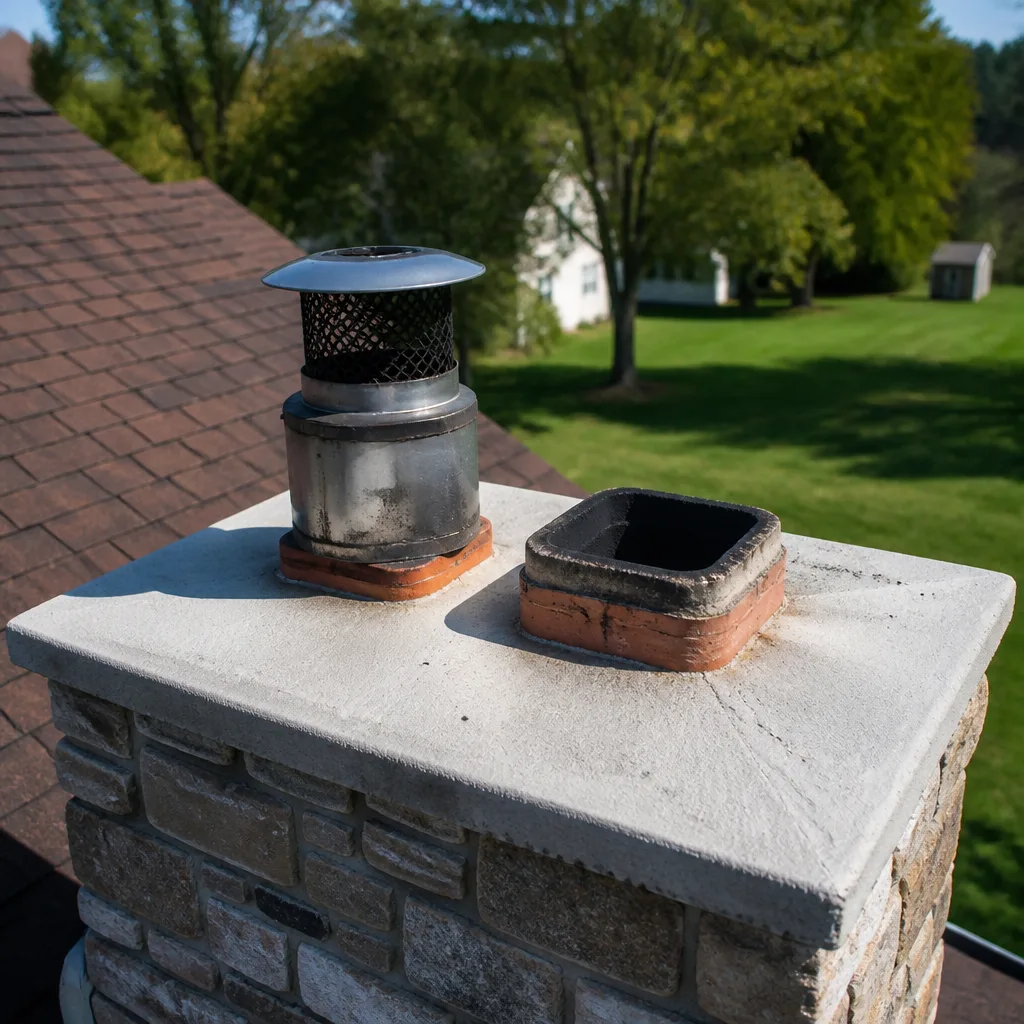 Sweep & inspection
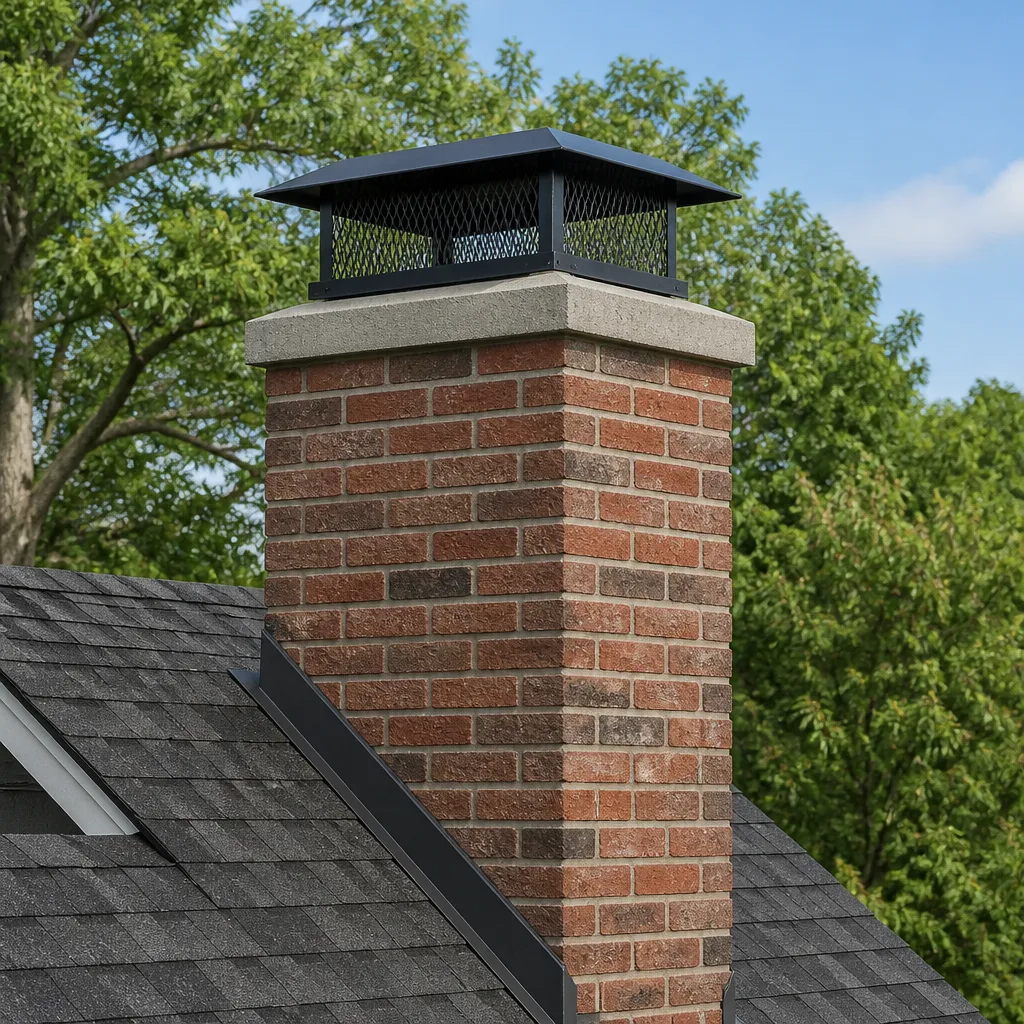 Caps & crowns
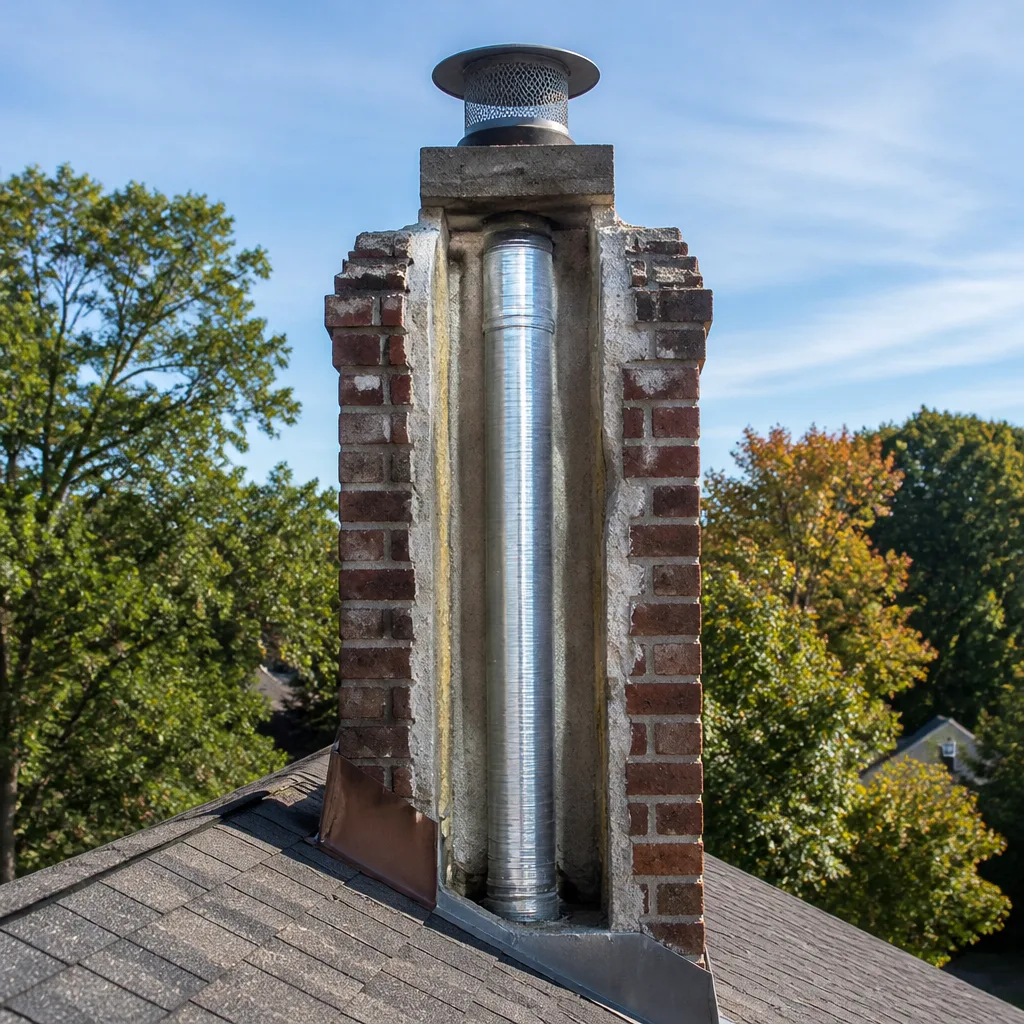 Flue relining
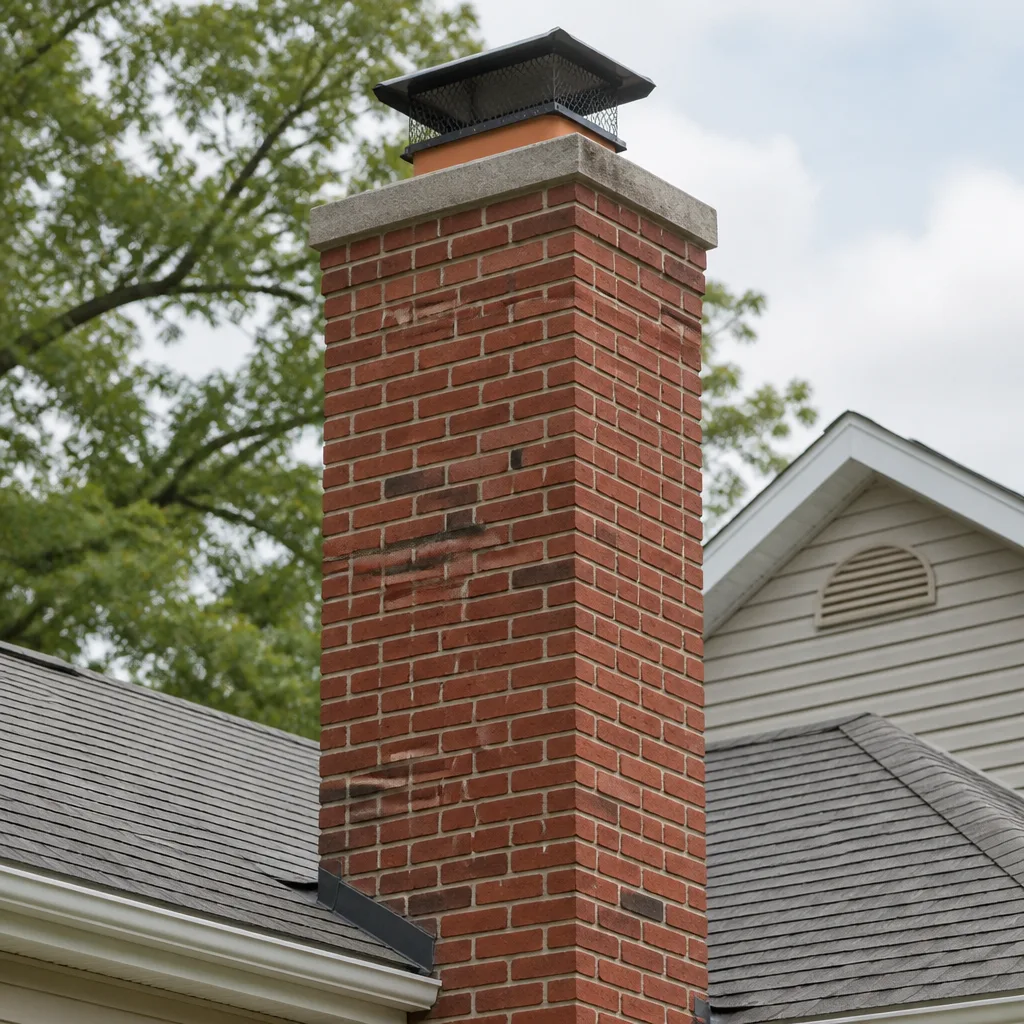 Masonry repair
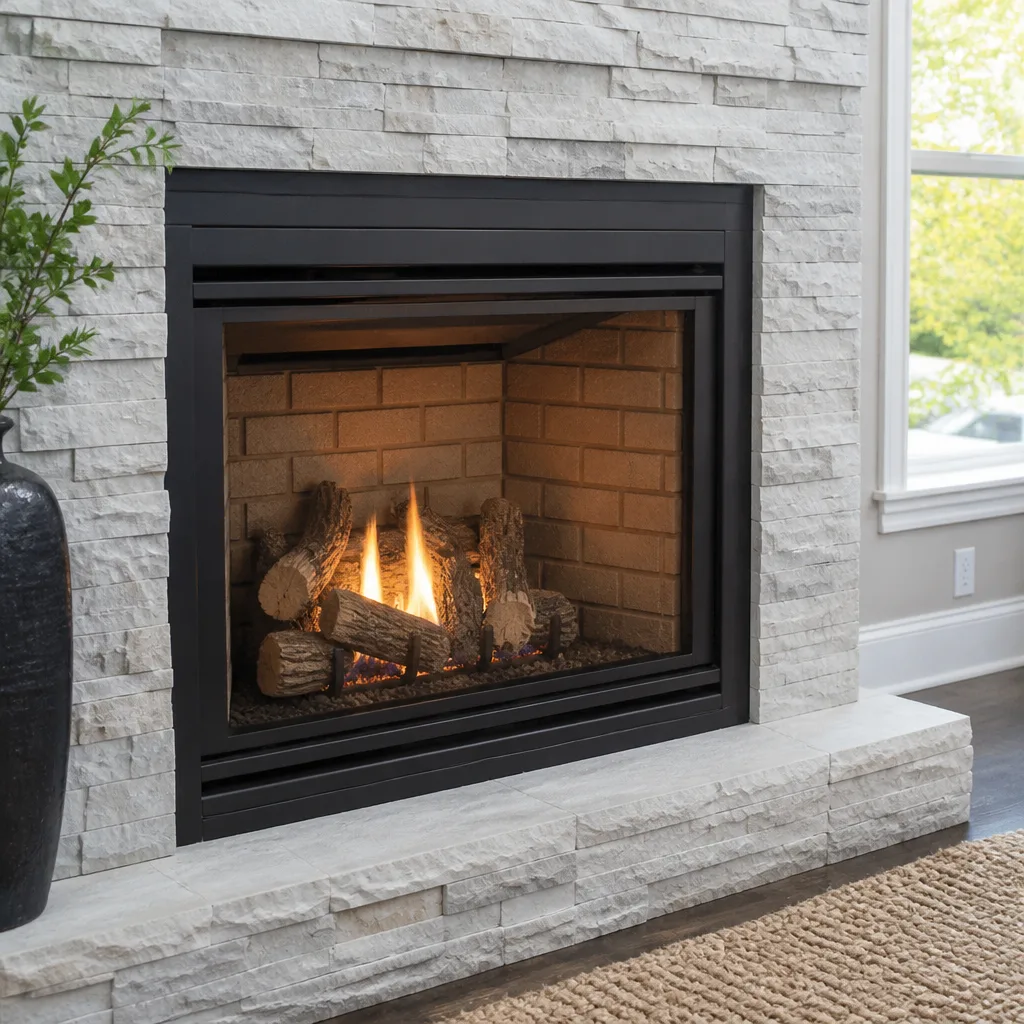 Gas fireplace service
Level 1 sweep and inspection to the NFPA 211 annual standard - flue, crown, cap, and flashing checked and photographed
Chimney sweep logs do not sweep chimneys. They loosen some creosote - which then falls where a brush and vacuum still have to collect it.
Chimney Cleaning Emergency Preparedness Guide for Hell’s Kitchen Homes
A chimney fire in an attached Hell’s Kitchen rowhouse rarely stays inside one unit. The shared party wall is a heat conduction path straight into your neighbor’s structure, and when FDNY responds to a chimney fire on a dense Manhattan block, the response involves multiple companies, mandatory inspections of adjacent units, and service shutdowns that can run for days. Most homeowners picture an emergency as flames in the firebox and nothing else – a cracked crown leaking water into a bedroom ceiling during a nor’easter can quietly cost more to fix and be far harder to contain. This guide walks through what each type of chimney emergency actually looks and sounds like in Hell’s Kitchen, the step-by-step response in the order it should happen, and the documentation that keeps you out of a dispute with your insurer, your neighbor, and the Department of Buildings.
Quick Answer
If you suspect a chimney fire, call 911 immediately and close the glass doors and damper to limit oxygen to the flue – then evacuate the unit and alert every attached neighbor. If you smell combustion gas or feel dizzy, get everyone outside and call 911 for a carbon monoxide response before anything else. After any chimney emergency in Hell’s Kitchen, do not relight the fireplace until a full inspection confirms the flue and connected appliance are structurally sound.
Styles & brands we work with
- Sweep & inspection
- Caps & crowns
- Flue relining
- Masonry repair
- Gas fireplace service
Table of Contents
- Why Connected Buildings Change the Rules
- What a Chimney Fire Actually Sounds, Smells, and Looks Like
- The FDNY-Aligned Response Protocol, Step by Step
- Carbon Monoxide Events in Pre-War Hell’s Kitchen Buildings
- Emergency Water Intrusion Through a Failed Crown or Cap
- What Documentation You’ll Need After the Emergency
- Pre-Fire Readiness: What to Set Up Before Burning Season
- When to Call a Professional
Why Connected Buildings Change the Rules
Hell’s Kitchen’s housing stock is mostly attached masonry buildings – brownstones, rowhouses, and pre-war apartment walk-ups packed shoulder to shoulder between Eighth and Ninth Avenue, over toward Tenth, and up along the side streets off 45th and 50th. When one chimney has a problem in that arrangement, the problem has somewhere to travel.
A party wall shared between two rowhouses is a solid heat path. A chimney fire can radiate through that wall even when nothing on your side of the masonry looks hot. In a stacked walk-up, a flue serving a lower unit can share a flue chase with an upper unit in ways neither owner fully understands. Thousands of these chimneys also served coal and oil heat originally and now serve gas appliances, so the flue liner’s condition is not always what the current fuel source requires.
Dense blocks add two more dimensions. First, fire spread: a chimney that vents sparks onto a shared roof or onto the rear terrace of a neighboring building takes the fire outside your property line in seconds. Second, access: any emergency response needs a street closure, apparatus positioning, and coordination in a block where double-parked cars, scaffolding, and narrow sidewalks are constant. A short collapse of scaffolding or an illegally parked van can add minutes to a response – minutes that a party wall is absorbing heat through.
None of this is a reason for alarm. It’s a reason to plan. A Hell’s Kitchen homeowner who knows the sequence ahead of time, and who has already documented the state of their flue, resists a much better outcome than one learning the protocol in the middle of a 911 call.
What a Chimney Fire Actually Sounds, Smells, and Looks Like
Most chimney fires are small, slow, and go unreported until damage is established. Homeowners often misidentify early signs as a draft problem or a wet log. In our experience inspecting chimneys across Hell’s Kitchen, the tell that people miss most often is the sound – a low, rumbling whoosh that resembles a distant freight train more than a household fire. That’s the noise of air being pulled through a hot flue.
The sensory checklist below is the practical one to memorize. If more than one applies while a fire is burning, treat it as a chimney fire:
- Sound: a rumble, roar, or low-grade vibration that seems to come from the chimney itself rather than the firebox.
- Smell: a hot, syrupy, almost creosote-plus-tar odor, distinct from normal wood smoke.
- Sight from outside: dense puffs, sparks, or a steady column of brownish smoke from your own chimney, or a neighbor’s, that doesn’t match the wood in the fire.
- Sight from inside: cracks in the masonry visible around the fireplace surround, warped damper hardware, or a masonry face that feels hot well below the mantel.
- The flue: a visible glow through a dirty flue, or puffs of smoke escaping from joints in the connector pipe when the fire is active.
- The smell of creosote in the room hours or days after a fire – a sign the flue is holding more than it vents.
Any one of those signals is enough to act on. You do not need visible flames coming out of the chimney to call 911. A small chimney fire with a damaged liner is a genuinely dangerous condition – the same heat that can crack clay tile is hot enough to ignite framing in an attached building.
The FDNY-Aligned Response Protocol, Step by Step
The sequence matters. Calling first, before you do anything else, is not overkill – FDNY needs to know a shared flue or party wall is involved so the dispatch reflects a multi-unit property from the first minute. Here is the order:
- Call 911. Say “chimney fire” plainly. State that your building is attached to a neighbor on at least one side. Give the cross streets, not just the address – it saves time in dense Hell’s Kitchen blocks.
- Close the glass doors and the damper. This cuts oxygen to the fire. If your fireplace has no doors, close the firebox as fully as you can and do not attempt to put water into the flue. Water into a hot flue can crack the liner and turn a chimney fire into a structural problem.
- Get everyone out of the unit. Even if you stay on the sidewalk, get children, guests, and pets down the stairs and outside before anything else.
- Alert adjacent units and the building’s super. Knock on the wall of the shared party neighbor and, in a multi-unit building, use the intercom or call the super directly. If the building has a fire alarm pull station, use it. Do not rely on the smoke detector in your own unit to tell anyone else.
- Move cars, open the gate, and clear the sidewalk. Apparatus needs the full width of the street. If your building has a courtyard or rear gate, unlock it and prop it – crews may need to access the roof from the rear.
- Do not relight anything. Not until an inspection of the flue, cap, crown, and any connected gas appliance is completed after the fire is out.
The professional we connect you with, like any local tradesperson working in Manhattan, holds the licensing and insurance your state and city require. That matters when the resulting scope of work has to satisfy both your insurer and the DOB.
Once the fire is out, an inspection needs to look at more than the firebox. Creosote damage, cracked tile, and warped dampers are often the only structural evidence of a fire that burned itself out. That’s the point at which a full chimney inspection is not optional – it’s the evidence you’ll need for everything that follows.
Carbon Monoxide Events in Pre-War Hell’s Kitchen Buildings
Carbon monoxide from a chimney is not a byproduct of wood smoke – it comes from incomplete combustion, and in Hell’s Kitchen it typically comes from gas appliances vented into an aging flue. Many pre-war buildings converted from coal or oil boilers to gas decades ago, and the original flue liner was sized and built for a different fuel and heat signature. When that liner cracks, spalls, or is blocked by fallen masonry, the flue stops venting up and starts venting back into the living unit.
Carbon monoxide has no color, no odor, and no taste. That’s why symptoms, not senses, are the first thing that shows. The most common early indicators are:
- Headaches that come on indoors and ease when you step outside.
- Dizziness, nausea, or unusual fatigue in more than one person at roughly the same time.
- Confusion or shortness of breath in an area with a wood-burning or gas appliance running.
- Soot or dark streaking around the fireplace opening, the appliance draft hood, or the flue collar – a sign of backdrafting.
- A “lazy” flame on a gas appliance – yellow, flickering, or lifting off the burner.
If any of these appear while an appliance is running, get everyone outside into the fresh air and call 911 for a carbon monoxide response. Do not re-enter until the fire department confirms the building is safe. “Safe to re-enter” means the responder has measured the air with a CO meter and found it clean – it does not mean the smell has cleared.
After a CO event, the appliance and venting must be inspected and sealed. Reentering and relighting without that step risks a repeat with a worse outcome. If the inspection flags a cracked or spalled liner, HeatShield ceramic flue resurfacing is often the right structural answer for a small crack pattern, because it restores the existing clay flue rather than replacing it – a lower-cost option than full relining, and one that needs a technician trained in the method.
Emergency Water Intrusion Through a Failed Crown or Cap
A cracked crown or a missing cap doesn’t look dangerous the way a fire does. It is still the leading cause of structural chimney damage in Hell’s Kitchen, and it frequently shows up as a ceiling stain on the top floor of a walk-up during a nor’easter or a deep freeze.
What’s happening: the crown – the sloped concrete or masonry surface at the top of the chimney – is meant to shed water away from the flue. When it cracks or spalls, water enters the masonry, freezes, and expands. The freeze-thaw cycle widens cracks, spalls brick faces, and can separate the flue tile from its surrounding masonry. A missing or rusted cap allows rain directly down the flue, where it mixes with creosote and produces a corrosive, acidic residue.
Immediate emergency steps:
- Stop using the fireplace until the crown and cap are inspected. Water inside the flue plus a live fire is a bad combination.
- Place a bucket and move electronics under any active drip. Do not climb onto the roof to inspect it yourself – NYC rooflines on attached buildings are steep enough that a fall is a genuine risk, and maneuvering on a shared roof requires coordination with the adjacent owner.
- Call a professional for temporary mitigation. In a dense Manhattan block, tarping a chimney from above is not a one-person exercise. It requires roof access agreements, safe anchor points, and coordination with your neighbor if the shared party wall and adjacent roof structure are involved.
- Photograph the interior damage before anything is patched. Ceiling stains, water marks on plaster, and soaked insulation are all claim evidence.
Permanent repair follows inspection. Cap and crown work is protective work: it addresses the origin point of most water damage rather than treating the symptom. A properly installed, properly pitched crown paired with a cap built from trade-grade materials like Olympia Chimney or Gelco systems gives the chimney a decade of deliberate protection.
If you’re on a sidewalk in Hell’s Kitchen looking up and can’t tell whether the cap is intact, that’s the point to call for an inspection rather than a guess. Cap and crown repair is a specialized scope, and a sweep-only service will typically outsource it.
What Documentation You’ll Need After the Emergency
If you don’t gather evidence in the days after a chimney emergency, the claim and the DOB sign-off get much harder to close. The list below is what most insurers and inspectors ask for, and what you should request from every party involved.
- FDNY incident report. Request a copy through the FDNY records process. The report documents the official cause and scope and is the first document your insurer will ask for.
- Inspection records. Before and after. A camera-based inspection with photos makes the scope of damage something you can point to. A verbal “it looked bad” doesn’t.
- Contractor scope of work. The written scope is the document that connects the inspection findings to the work being done. Ask for it in writing and confirm the material brands your contractor is proposing.
- Proof of license and insurance for every trade. In an attached building, more than one owner will ask. The local pro is licensed and insured as their state requires, and asking for the certificate is normal.
- DOB sign-off. Before you relight the fireplace, confirm with your contractor and your building’s management what documentation the Department of Buildings requires for your scope. Chimney work that alters the flue, liner, or chimney height in NYC typically involves a permit and a final inspection – confirm the requirements for your specific job rather than assuming.
- Relight clearance. A written statement from the inspecting technician that the flue is clear, the liner is intact, and the appliance is venting correctly. This is what “cleared to relight” actually means, and it’s the last thing you should have before your first fire in a repaired chimney.
We’ve seen too many Hell’s Kitchen claims stall on a missing photo report or a verbal scope. The camera inspection and the written scope are the two documents that move a claim fastest – and both come from the same company that does the repair, which means no referral runaround between the inspector and the masonry trade.
Pre-Fire Readiness: What to Set Up Before Burning Season
Preparedness is doing the boring work before you need it. The four items below cover 90% of what changes the outcome of a chimney emergency.
- Get an annual inspection on the calendar. Before your first fire of the season, an inspection confirms the flue is clear, the liner is intact, and the cap is seated. The frequency of chimney sweeping depends on how much you burn, and on the local mix of wood density and moisture – a professional inspection tells you what your specific chimney needs rather than following a fixed rule.
- Document the identity of your building and its neighboring structures. Know whether your chimney shares a flue chase with a neighbor, which appliance vents where, and who your super is. In a Hell’s Kitchen walk-up, this information lives with the management company and is worth having written down.
- Confirm a CO detector is installed on each floor you use. Follow the manufacturer’s placement guidance and test it once a month. Keep the tests on a calendar.
- Have the trades lined up before you need them. A single-company chimney specialist who covers sweep, repair, cap and crown, inspection, and fireplace repair means the inspection findings go directly to the repair team. When an emergency hits and you are calling for help alongside half the block, having a professional already familiar with your flue saves hours.
That last item is where the full-system approach pays off. When an emergency involves more than one component – a fire that cracks the flue and then leaves the crown vulnerable, or a CO event that reveals a warped damper alongside a cracked liner – a single accountable trade specialist keeps the scope whole. Splitting the job between a sweep company and a general contractor usually means scope gaps that someone else has to clean up.
See the difference
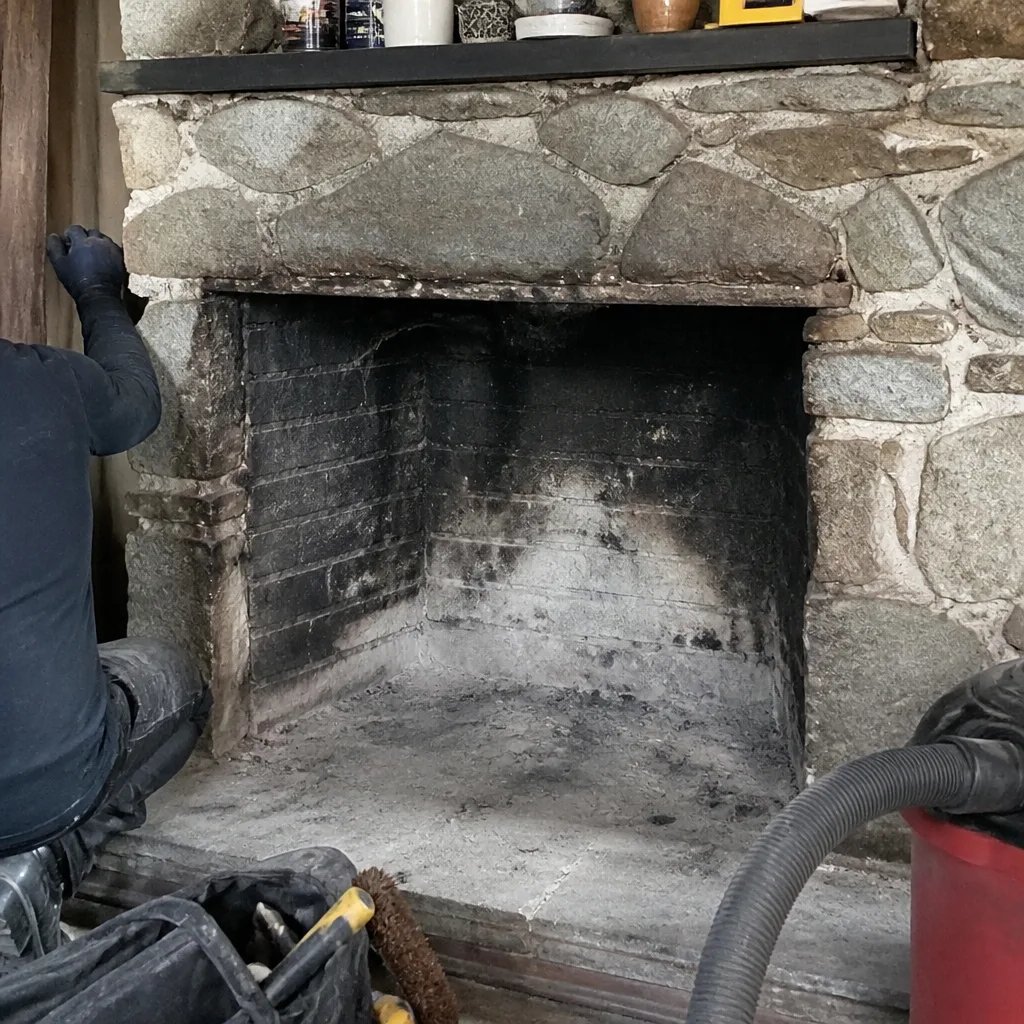 Before
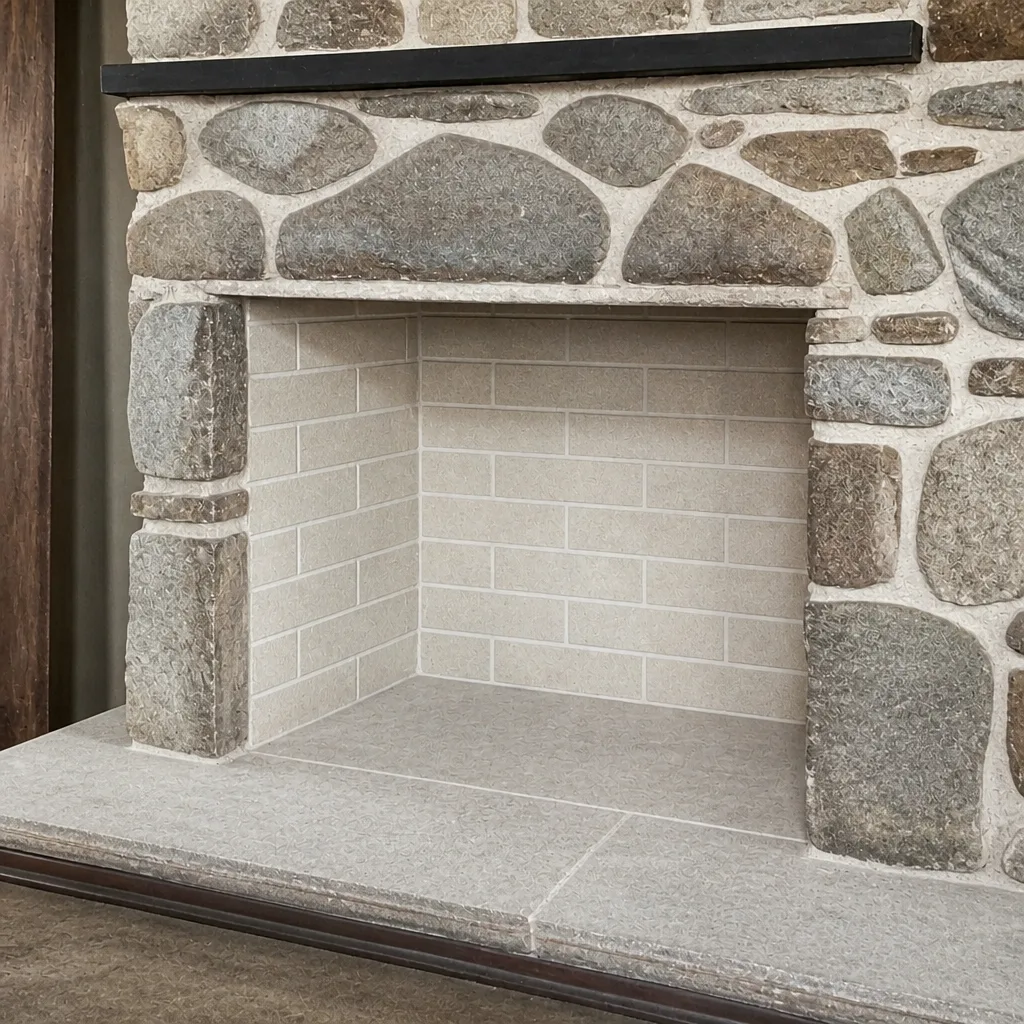 After
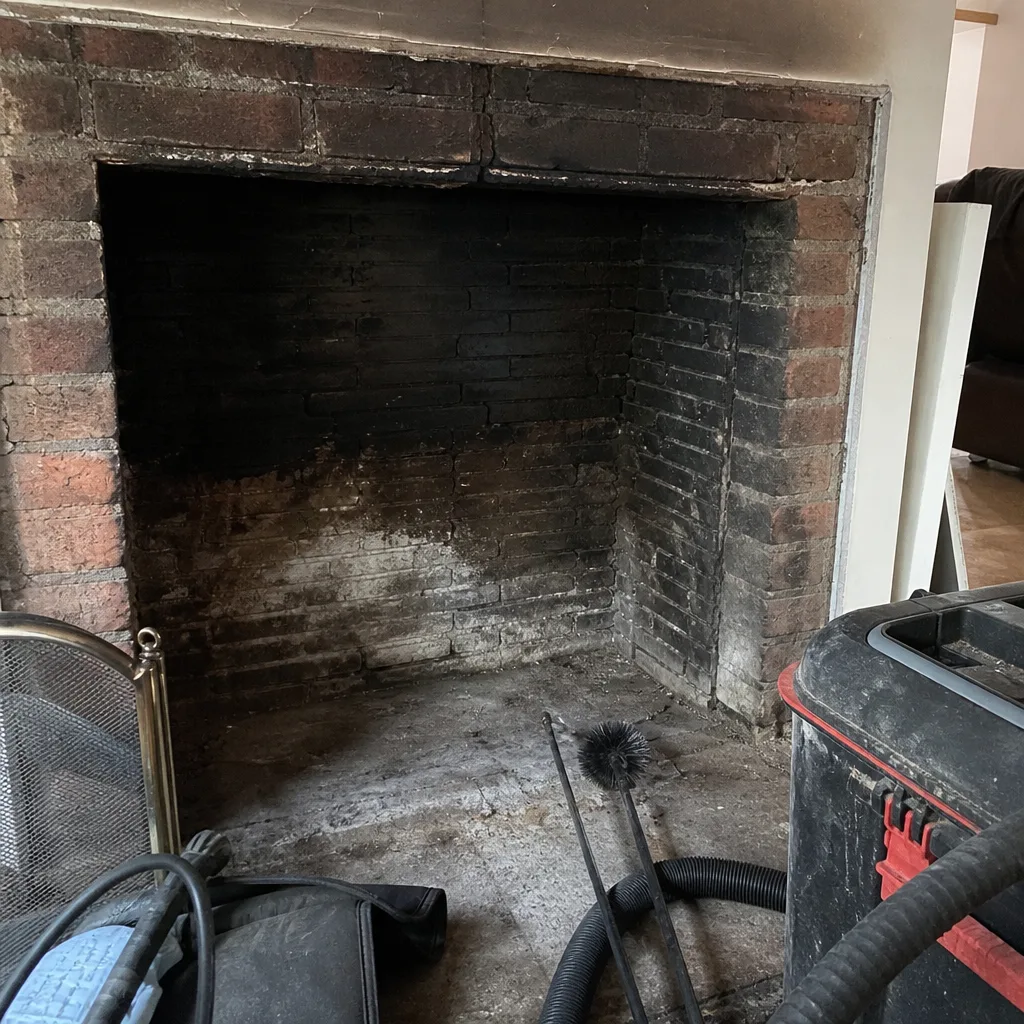 Before
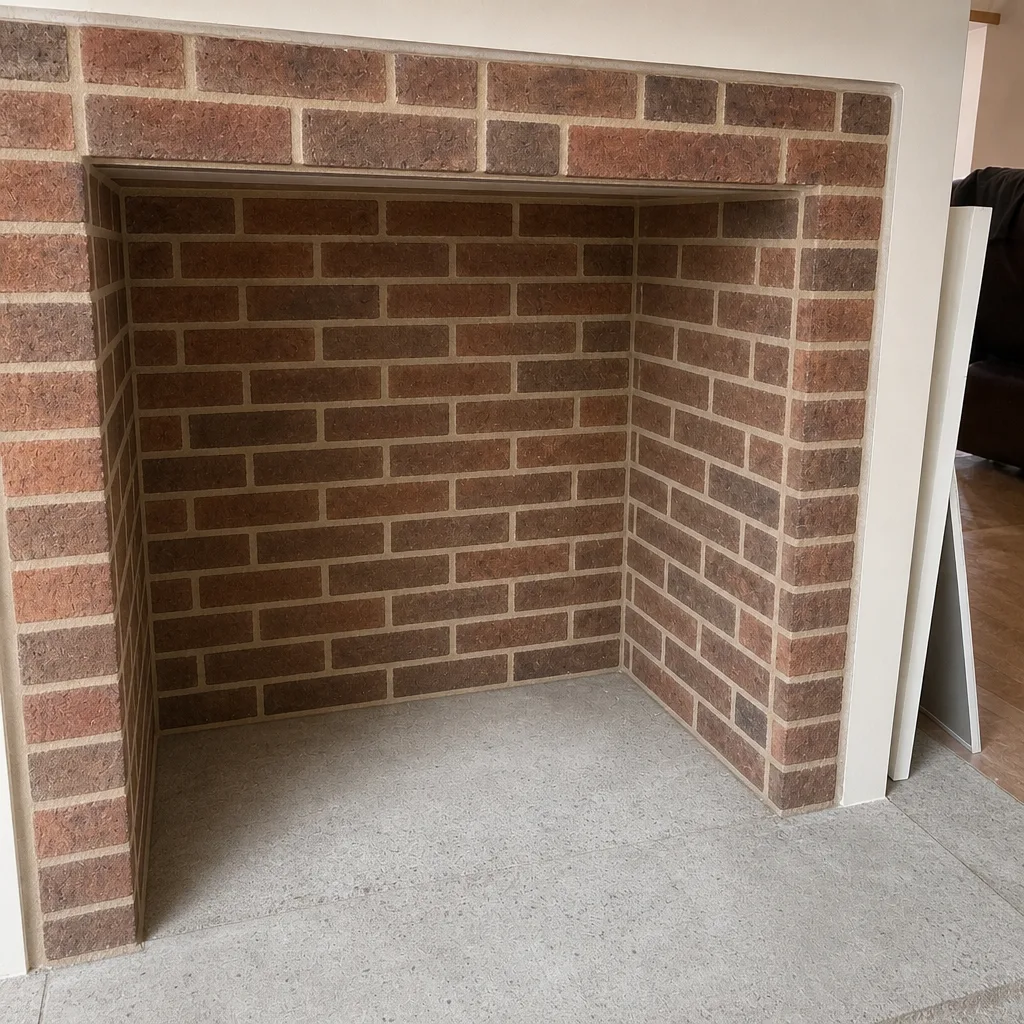 After
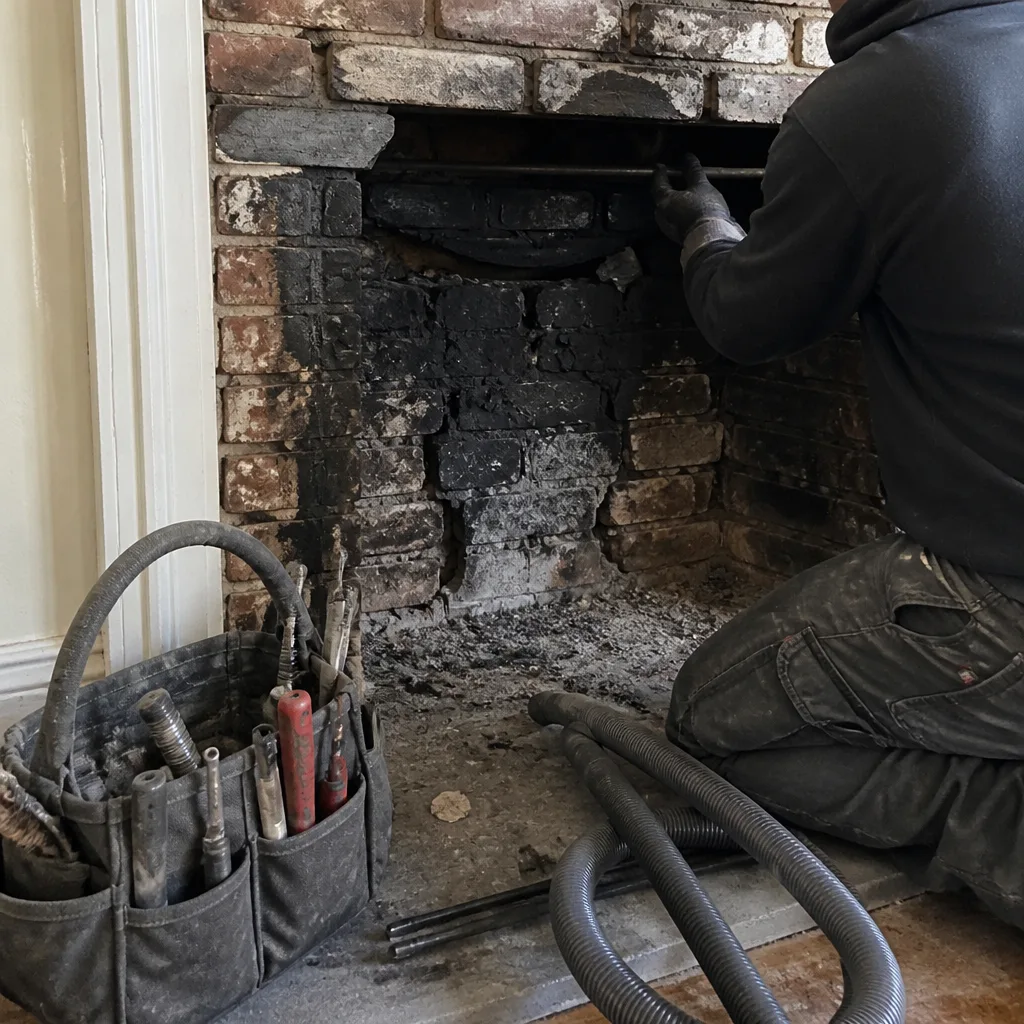 Before
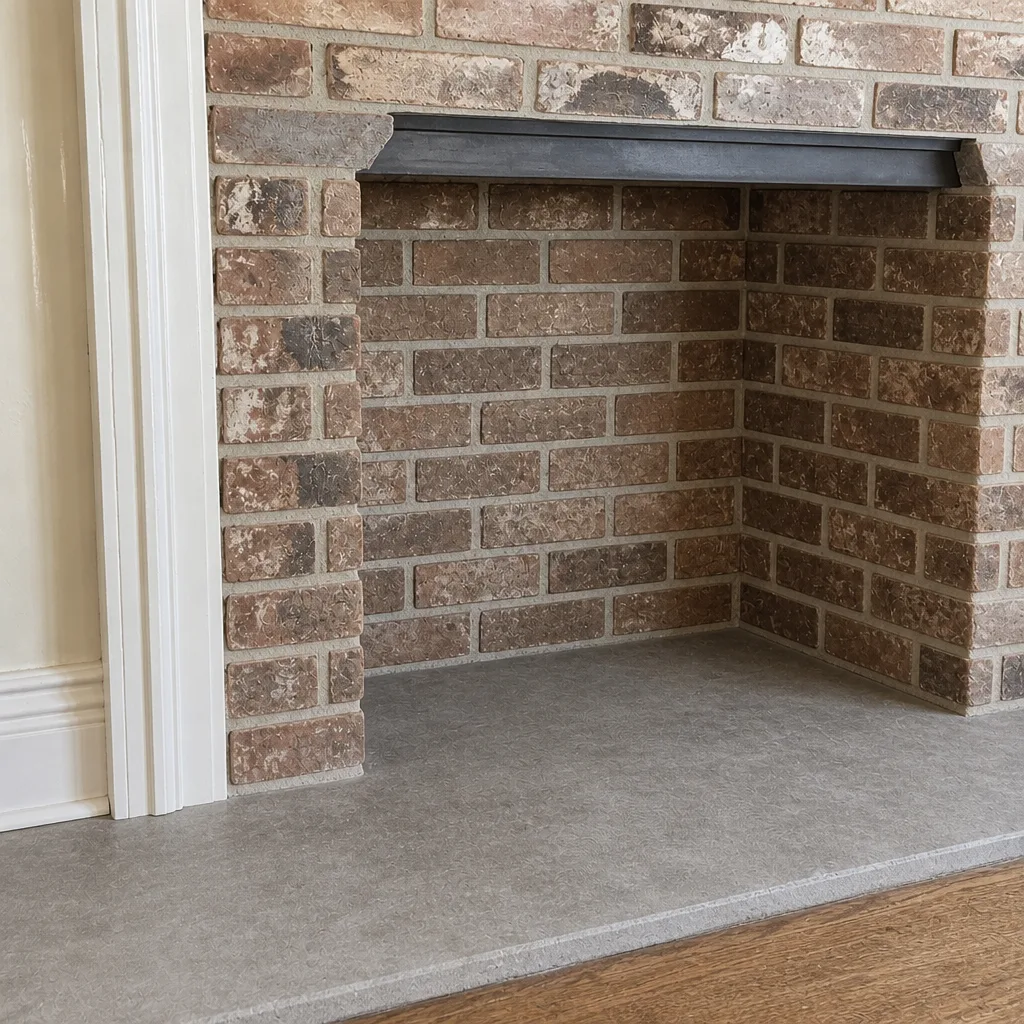 After
Common Mistakes to Avoid
- Waiting for visible flames before calling 911. A rumbling sound and a hot masonry face are enough. Chimney fires rarely look like fires from inside the home, and calling a minute earlier is worth any perceived embarrassment.
- Spraying water into the flue. Water into a flue that’s 1,000+ degrees can crack the liner and send steam and debris into the room. Closing the damper and calling 911 is the right move.
- Relighting after the fire department leaves. The fire department confirms the fire is out; it does not certify the flue is structurally safe to use. Those are different questions answered by different people.
- Not alerting adjacent units. In a Hell’s Kitchen rowhouse, the party wall is a heat path. Your neighbor needs to know from you, not from the smoke coming through the wall.
- Treating a ceiling stain as a cosmetic issue. Water on the top floor during a freeze generally comes from a crown or cap failure that is easy to repair early and expensive to repair late.
- Hiring a general handyman for chimney repair. Chimney work uses trade-specific materials – DuraFlex liners, Copperfield components, HeatShield ceramic resurfacing – that a general contractor doesn’t stock or install. Insist on a trade specialist.
- Skipping the written scope. A verbal “we’ll redo the crown” leaves you without a claim document and without a way to compare estimates. Get the scope in writing, with materials named.
- Assuming the flue that served oil is safe for gas. In a converted Hell’s Kitchen walk-up, the venting for a modern gas appliance must match current code requirements for that fuel. Have it inspected.
When to Call a Professional
Call for an inspection whenever any of the following is true: you’ve had a chimney fire of any size, you smell combustion gas or have had a CO reading, a ceiling on the top floor is staining during rain or freeze, your cap is missing or loose, your fireplace has not been inspected since you moved in, or you have never been told by a technician what condition your liner is actually in. Call immediately if you’re seeing smoke enter the room from the firebox, if the flue is backing up, or if a fire department has just left your building. Chimney Sweep Hell’s Kitchen offers free estimates in Hell’s Kitchen – call (866) 947-8139. We answer 24/7. Fast dispatch from 7am to 7pm, Sunday through Friday. Nothing gets recommended without camera evidence you can see for yourself, and we’ll tell you plainly when a repair can safely wait.
Frequently Asked Questions
Call 911 first and tell them you have a chimney fire in an attached building. Then close the glass doors and damper, evacuate the unit, and alert the adjacent unit through the party wall and your building’s super. Do not put water into the flue and do not relight until a full inspection confirms the flue is structurally sound.
Because shared party walls, stacked units, and dense building proximity create cascading risk. A fire in your flue sends heat into the shared party wall, and FDNY response to a chimney fire on a Hell’s Kitchen block often involves multiple units, mandatory inspection of adjacent properties, and service shutdowns that can run for several days.
Look for puffy, honeycombed creosote in the flue, cracked or spalled flue tile, warped damper hardware, and dark streaks around the fireplace opening. A camera inspection confirms it. Small fires are the ones most commonly missed and the reason annual inspections matter more than annual cleaning alone – call (866) 947-8139 for an exact quote, and the estimate is free.
It means a responder has measured the air with a CO meter and found it clean – not that the smell has cleared. After a CO event, the venting appliance must be inspected and sealed before you use it again, because a cracked or blocked flue will repeat the event.
No, and we’d discourage the attempt. Rooflines on attached Hell’s Kitchen buildings are steep, and a shared roof requires coordination with the adjacent owner. Temporary tarping is a two-person job with safe anchor points, and doing it wrong can cause the tarp itself to fail and damage the crown further.
Not necessarily. A camera inspection tells you whether the liner is cracked, spalled, or partially detached. If the damage is small enough, HeatShield ceramic flue resurfacing restores the existing clay liner rather than replacing the whole system – a lower-cost structural option than full relining. Full reline is the right call when the original flue is beyond restoration, and we’ll show you the camera evidence either way before recommending anything.
Sweeping frequency depends on how much you burn and how dry the wood is, but an annual inspection is the baseline we recommend for any wood-burning or gas-venting fireplace in Hell’s Kitchen. The inspection tells you whether a sweep is needed now or later. Call (866) 947-8139 for an exact quote – estimates are free.
A camera inspection of the flue from top to bottom, a visual review of the firebox, damper, cap, and crown, and a written photo report of what we find. That report is what you hand to your insurer and to the DOB when they ask for documentation, and it’s what your repair scope is built from.
The Bottom Line
A chimney emergency in Hell’s Kitchen is a coordination problem as much as a fire problem. The response is a sequence: call 911, close the damper, evacuate, alert the party-wall neighbor, clear the street for FDNY, and don’t relight until a camera inspection confirms the flue is structurally sound and the connected appliance is venting correctly. Water intrusion through a failed crown or cap, and carbon monoxide from a cracked liner in a converted pre-war building, follow the same principle – act early, document thoroughly, and let the evidence drive the repair scope. Set up the annual inspection before the season, know who your super and management company are, and keep the camera report and written scope with your building documents. When you’re ready to check the full system before the next heating season, call (866) 947-8139. We answer 24/7. Fast dispatch from 7am to 7pm, Sunday through Friday.
Written by the team at Chimney Sweep Hell’s Kitchen.