
Last updated November 25, 2026
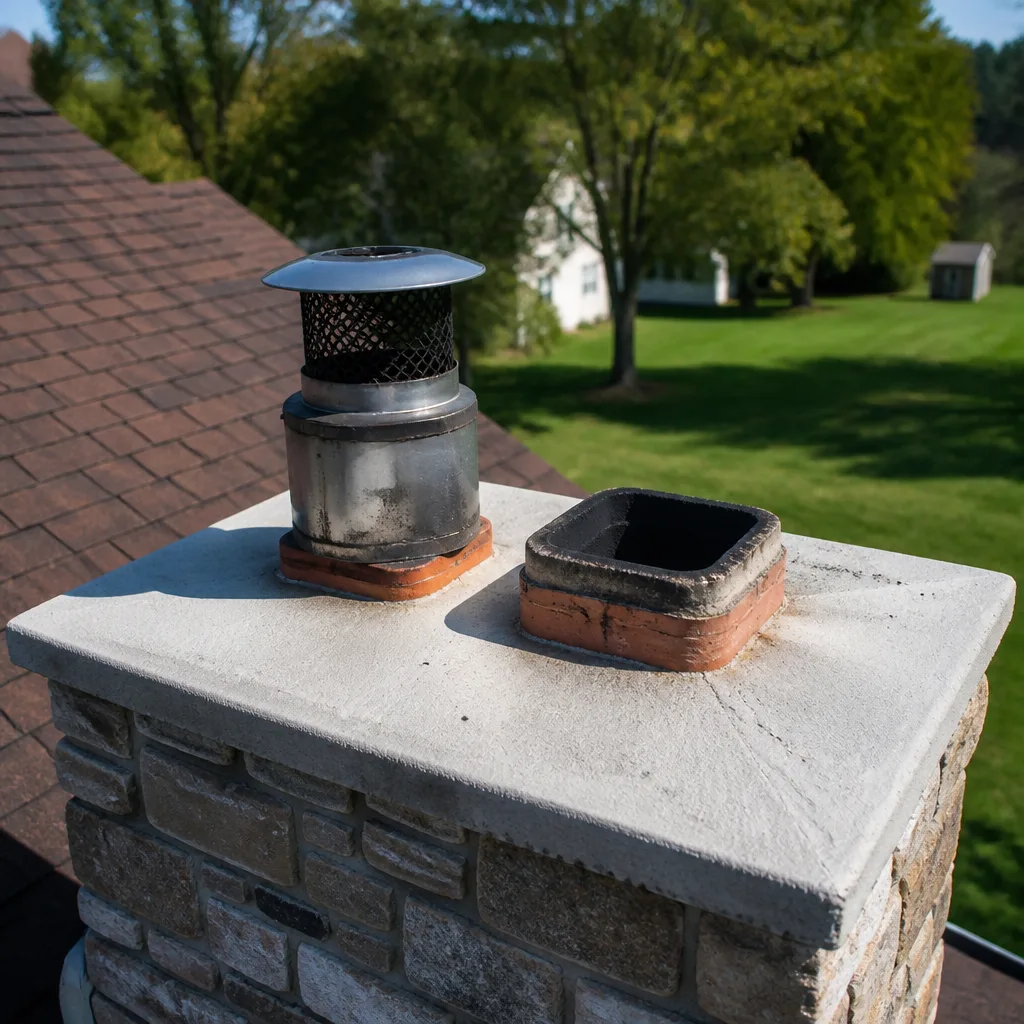 Sweep & inspection
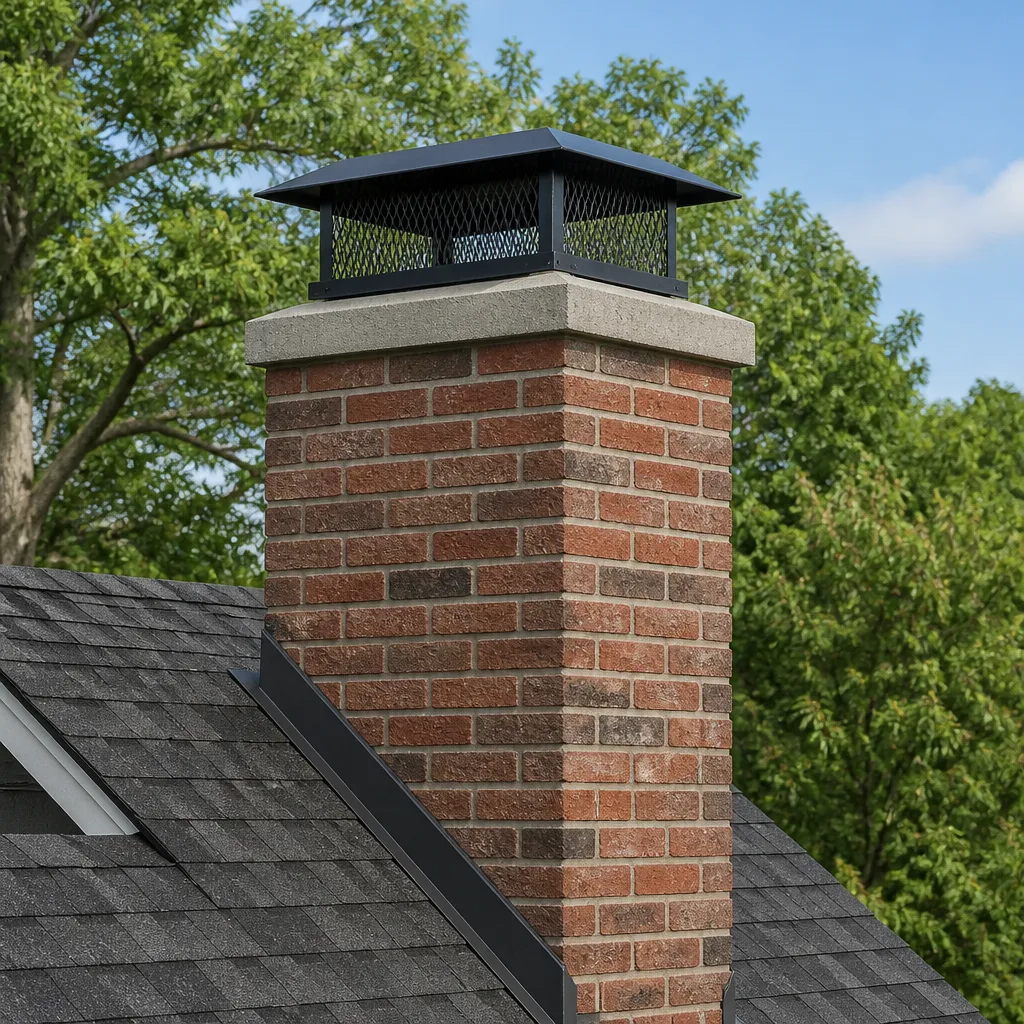 Caps & crowns
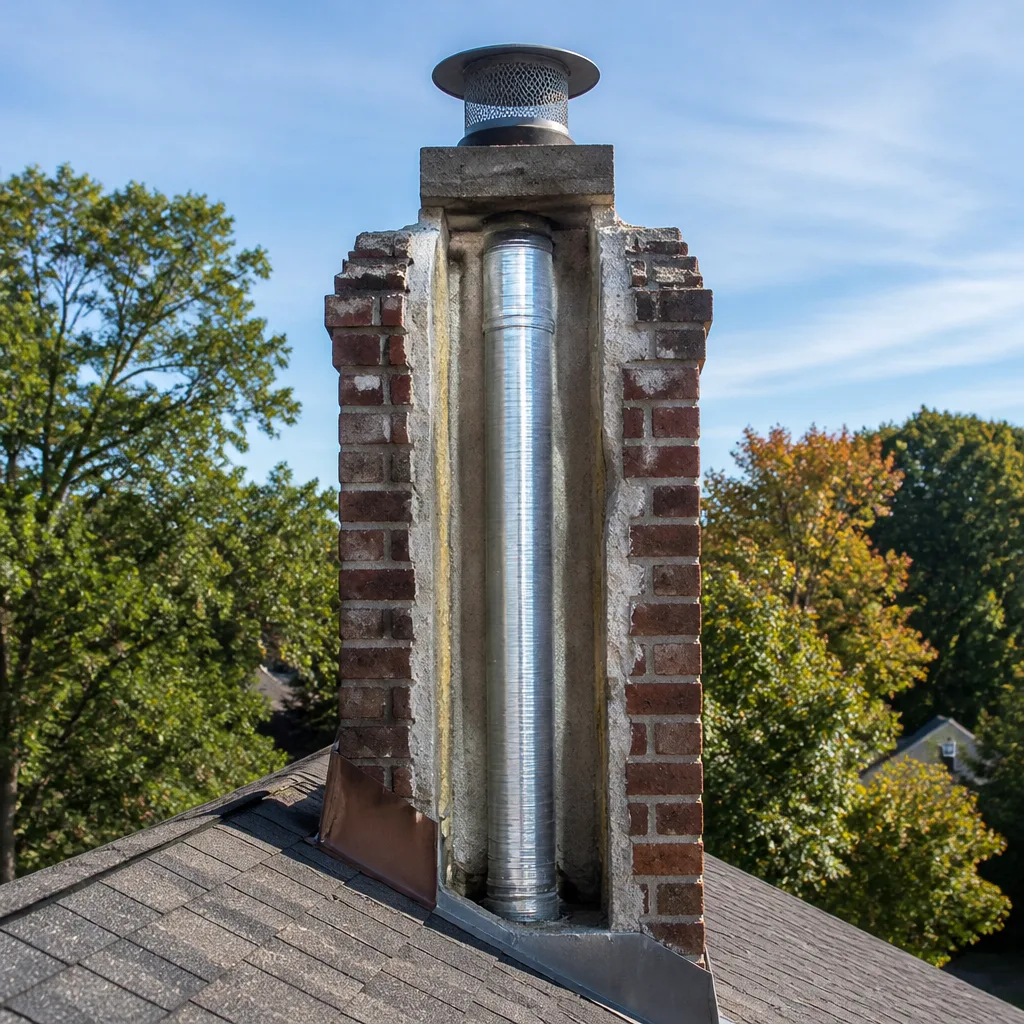 Flue relining
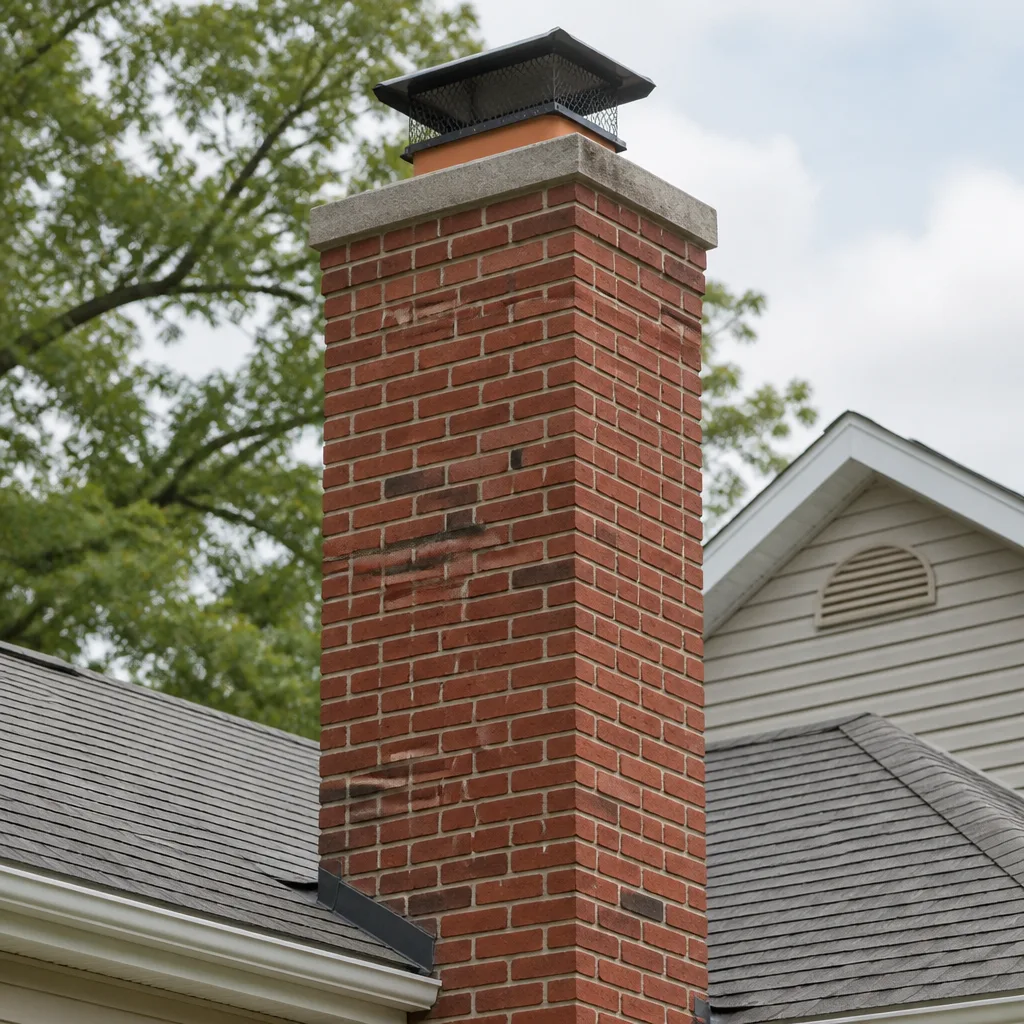 Masonry repair
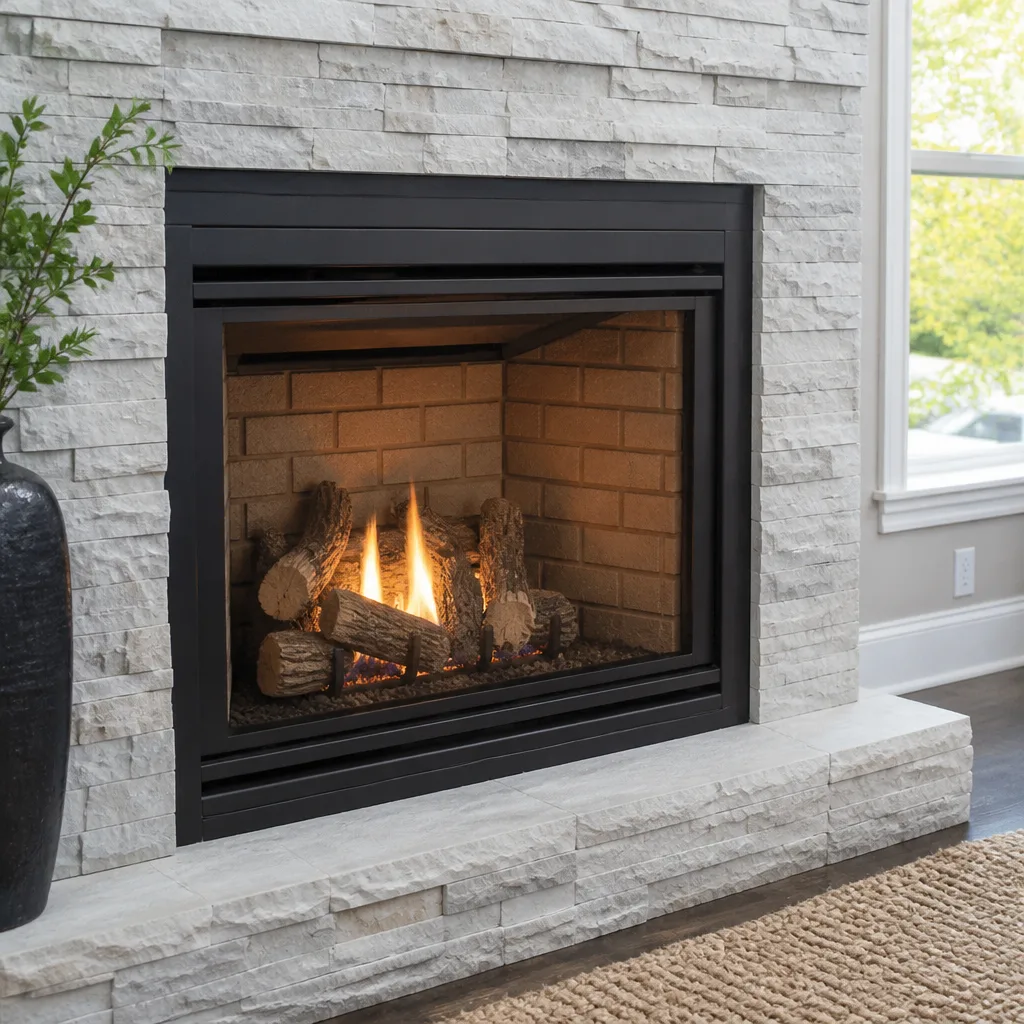 Gas fireplace service
Level 1 sweep and inspection to the NFPA 211 annual standard - flue, crown, cap, and flashing checked and photographed
Chimney sweep logs do not sweep chimneys. They loosen some creosote - which then falls where a brush and vacuum still have to collect it.
DIY vs Professional Chimney Cleaning: The Hell’s Kitchen Homeowner’s Decision Guide
Chimney brush kits are real, they work, and you can absolutely use one. What they don’t come with is a camera to inspect your liner, a smoke chamber restoration tool, or any ability to tell you whether the flue you just swept is structurally safe to light a fire in. That gap between “I removed some soot” and “I know this chimney is sound” is what this guide is about. We’ll draw an honest line between the cleaning tasks a careful Hell’s Kitchen homeowner can manage and the system evaluation that only a professional with the right tools can perform – plus the specific reasons dense Manhattan buildings make DIY harder than the videos suggest.
Quick Answer
DIY chimney brushing removes soot and light creosote from the accessible part of the flue, and that’s the limit of it. A professional chimney sweep in Hell’s Kitchen does the same cleaning plus a camera inspection of the liner, an assessment of the smoke chamber and cap and crown, and a written report of anything failing – which is the part that actually prevents chimney fires. For most Hell’s Kitchen homeowners in co-ops, attached rowhouses, and walk-ups, roof access rules and insurance exposure make professional cleaning the practical choice even before safety enters the picture.
Styles & brands we work with
- Sweep & inspection
- Caps & crowns
- Flue relining
- Masonry repair
- Gas fireplace service
Table of Contents
- What DIY Chimney Brushing Actually Accomplishes
- What DIY Cleaning Cannot Address
- Why DIY Is Impractical for Many Hell’s Kitchen Homes
- Liability and Insurance: What Your Policy Expects
- The DIY Tasks That Are Genuinely Appropriate
- Using Between-Season Observations
- What a Professional Cleaning Includes
- A Decision Framework for Your Chimney
What DIY Chimney Brushing Actually Accomplishes
A brush on a rod, worked down an accessible flue, will knock loose soot and light, flaky creosote off the flue walls. That’s a genuine task, and it does reduce the fuel load inside the chimney between professional cleanings. If your fireplace saw light use last season and you’re working with a straight, unobstructed flue, a homeowner who takes the work seriously can make a real dent in surface buildup.
Here’s what a brush pass gets you, in plain terms:
- Soot removal from the flue sections you can physically reach with the rod.
- Stage 1 creosote removal – the thin, dusty, flaky layer that brushes off with normal effort.
- Debris clearing near the damper and smoke shelf, where ash and fallen material collect.
What it doesn’t get you is any information. A brush doesn’t tell you the wall thickness of your liner, whether a joint has opened, or whether the smoke chamber above the damper is coated in the kind of glazed creosote that ignites. In our experience the biggest difference between a DIY sweep and a professional one isn’t the cleaning – it’s the diagnosis that comes with it. We don’t just sweep – we diagnose, and that distinction matters most in older buildings where the flue has been through decades of heating cycles.
Hell’s Kitchen has plenty of pre-war buildings where original chimneys have been modified, relined, or partially capped over the years. A brush pass on a flue like that tells you nothing about whether the liner is intact behind the soot. That’s the argument for a professional sweep in Hell’s Kitchen that includes inspection, not for skipping the whole exercise.
What DIY Cleaning Cannot Address
Three categories of problem live inside a chimney that a brush cannot touch. The first is glazed, stage 3 creosote – the hard, shiny, tar-like deposit that forms when flue temperatures run too cool or the wood is unseasoned. It doesn’t brush off. It has to be chemically treated or mechanically removed by a technician trained for it. Glazed creosote is the fuel that turns a small flue fire into a serious one.
The second is the smoke chamber. That’s the sloped chamber above the damper, and its corrugated shape traps creosote in ways a straight flue brush can’t reach. Smoke chamber buildup is a known fire path in residential chimneys, and resurfacing it takes specialized material – this is where HeatShield capability comes in, letting a technician restore a deteriorating smoke chamber or flue surface rather than jumping straight to a full reline.
The third is structural failure. Cracks in a clay tile liner, gaps at joints, a crown that’s crumbled at the edge – none of these show up to a brush. They show up to a camera. A camera inspection is the only reliable way to see the inside of the flue, and it’s how we catch problems while they’re still repairable rather than after water has been running down the inside of the stack for a season.
Draft problems are their own animal. If your fireplace smokes into the room rather than up the flue, the cause could be a blocked cap, a liner sized wrong for the appliance, negative pressure in the apartment, or a smoke chamber that was never properly shaped. A brush doesn’t diagnose any of those, and guessing at them costs more in the long run than a single professional evaluation.
Why DIY Is Impractical for Many Hell’s Kitchen Homes
Most DIY chimney cleaning videos assume a suburban house with a pitched roof, a ladder you own, and a yard to work from. Hell’s Kitchen is not that. The practical barriers here are real, and they start before you’ve touched a brush.
The first is roof access. Many Hell’s Kitchen buildings are attached rowhouses, walk-ups, or larger co-op buildings where the roof is reached through a bulkhead or a shared hatch – and access is controlled by the building, not the apartment. Getting a ladder onto a roof from a narrow sidewalk in a dense block is a job in itself, and doing it safely with a brush bag and rods is another. If your chimney top exits onto a shared roof, you may not have legal access to it at all without building approval.
The second is co-op and condo rules. Many Hell’s Kitchen buildings require board approval or building management sign-off before any work touches the roof or the chimney stack, because the chimney is often a building element rather than an apartment fixture. A homeowner who climbs up with a brush and disturbs a cap or a crown may be creating a liability the board will notice.
The third is the workspace problem. Brush-and-rod cleaning generates fine soot. In a city apartment, that soot has nowhere to go but into the room, and the canvas drop cloth that works in a suburban living room doesn’t necessarily protect a Hell’s Kitchen co-op’s floors, walls, and furnishings. Professional cleaning uses contained vacuum systems built for it, which is why it’s called a sweep and not a dust storm.
Add in the winter climate – cold, dry air and long heating seasons that push more wood through the firebox – and you have a chimney that’s working hard in a building that’s hard to access. That combination is why so many Hell’s Kitchen homeowners end up calling a professional even when they’d rather not.
Liability and Insurance: What Your Policy Expects
This is the part most DIY guides skip entirely, and in New York City it’s the part that matters. A homeowner’s or co-op insurance policy typically expects a chimney to be maintained in a safe, code-appropriate condition. If a fire starts in a chimney that was never professionally inspected, the insurer is going to ask what maintenance record exists – and “I brushed it myself” is a thin answer. We’re not your insurer and we can’t speak to your specific policy, so read it, or ask your agent directly what documentation it wants for chimney maintenance and inspection.
The broader exposure is this: chimney fires are usually the result of accumulated creosote or a structural failure that went unseen. If a fire or carbon monoxide incident traces back to a flue that had never been evaluated, the question of who was responsible becomes the question. A professional inspection produces a written record. That record is what protects you if something goes wrong later, because it shows the chimney was assessed by someone qualified to assess it.
For co-op owners, there’s a second layer. If the chimney stack serves your apartment but sits within a building element the co-op maintains, self-performed work can conflict with the proprietary lease or house rules. It’s worth a call to your managing agent before anyone goes near the roof – not because the work is dangerous in itself, but because the paperwork is where these disputes live.
This is also where a single-company accountability model helps. When inspection findings go directly to the repair team, the record is unified: the same trade specialist who finds a problem is the one who fixes it, and the documentation follows the job. Our chimney repair work exists because of exactly that gap.
The DIY Tasks That Are Genuinely Appropriate
There is a real DIY zone, and it’s observational rather than mechanical. The tasks below don’t require a ladder, a brush, or roof access, and they produce information that makes a professional inspection more useful. Do these, and you’re not wasting effort – you’re building the diagnostic context a technician can work from.
- Firebox visual inspection. With the fire cold and the ash cleared, look at the firebox walls and floor for cracks, crumbling mortar, or gaps between the firebrick. Note what you see, and photograph it. Don’t attempt to repair firebrick yourself – that’s a structural component, and the repair materials need to match the fireplace.
- Damper operation check. Open and close the damper fully. It should move cleanly and sit flush when closed. If it sticks, doesn’t seat, or won’t stay open, note it. A damper that doesn’t seal lets heated air escape all winter; a damper that doesn’t open fully is a smoke problem waiting to happen.
- Cap and crown observation from ground level. From the street or a safe window view, look at the chimney top if you can see it. A missing cap, a cracked crown, or visible water staining on the brick is worth reporting. This is the leading cause of water intrusion and structural chimney damage, and catching it early keeps it small.
- Interior odor and staining documentation. Note any smoky smell in the room when the fireplace is not in use, any staining around the firebox or on the wall above, or any draft that reverses when the fireplace is lit. Photograph and date these observations.
- Creosote logging. After each burn, glance into the firebox and note how much soot and creosote is visible. If you can see a thick, glazed or tar-like buildup, stop burning until the flue is inspected.
Those tasks are genuinely manageable, and they’re worth doing. What they aren’t is a substitute for the work a trained technician does with a camera, a vacuum system, and the material knowledge to tell whether a flue is safe. Our chimney sweep service exists to fill that gap, and it’s the diagnostic half that makes the cleaning meaningful.
Using Between-Season Observations Productively
The best thing a Hell’s Kitchen homeowner can do for their chimney is keep a simple log. Not a formal document – a note on your phone, a couple of photos, a line or two after each season. When a technician arrives for a professional inspection, the difference between “start from zero” and “here’s what we’ve noticed” is real diagnostic value.
What to log:
- When the fireplace was last used and roughly how many fires it saw.
- What wood you burned – seasoned hardwood versus unseasoned or mixed wood changes creosote formation.
- Any odor, staining, or smoke reversing into the room, with dates.
- Any visible cap, crown, or mortar changes from your ground-level checks.
- Any damper changes – sticking, not sealing, not opening fully.
That log gives the inspection a starting point. A technician who knows you’ve smelled smoke on two cold nights in January can check the flue pressure and the smoke chamber with a specific question in mind. It also makes the camera inspection more efficient, because the findings get tied to something you noticed rather than arriving out of nowhere.
Between-season timing matters in Hell’s Kitchen for a practical reason: the heating season here is long, and getting on the schedule before it starts means the work is done when it’s convenient rather than when a problem forces it. Our technicians have up to 14 years of experience, and the ones who’ve worked the most seasons will tell you the same thing – the chimney that gets looked at in the shoulder season is the one that doesn’t surprise anyone in December.
The cap and crown are a good example. A crack in a masonry crown is easy to miss from the ground and easy to find on inspection. Left alone, water gets in, freezes, and opens the crack wider over one winter. Cap and crown work is not an upsell – it’s preventive maintenance at the chimney’s most vulnerable point, and it’s one of the five services we run as a chimney cap & crown line because sweep-only companies tend to ignore or outsource it.
What a Professional Cleaning Includes
A professional chimney cleaning in Hell’s Kitchen is not just a brush pass with a bigger brush. It’s a full-system evaluation that happens to include the cleaning. The sequence matters, because the inspection findings determine what the cleaning needs to address and whether a repair recommendation is justified.
Here’s how a typical professional service runs:
- Exterior and interior prep. Drop cloths and a contained vacuum system to protect the room; a look at the firebox, damper, and the visible chimney exterior.
- Cleaning the flue. Brushing with rods and the correct brush for the liner type, plus a contained vacuum running the whole time so soot goes into the machine, not the room.
- Camera inspection. A camera run down the flue to look for cracks, gaps, liner damage, and creosote condition the brush couldn’t remove. The technician can typically show you what the camera sees, so you’re not taking it on faith.
- Smoke chamber and damper assessment. The smoke chamber gets inspected for buildup and shape problems; the damper gets checked for operation and seal.
- Cap and crown check. The chimney top gets looked at for cap condition, crown cracks, mortar deterioration, and water intrusion.
- Written report. What was found, what was cleaned, what needs attention, and what can safely wait. Nothing gets recommended without camera evidence you can see for yourself.
The materials side matters too. We work with professional-grade brands – DuraFlex for flexible relining, HeatShield for ceramic flue resurfacing, Copperfield and Famco for the component work – because the difference between a job that holds and a job that fails in five years is usually the material. HeatShield resurfacing is the one worth highlighting: it restores a deteriorating flue without the cost of full relining, and most competitors can’t perform it.
The full chimney system – inspected, cleaned, and repaired under one roof. That’s the model, and it’s why a single call can address every component from the cap to the firebox.
A Decision Framework for Your Chimney
Use this as a simple sorting test. Answer each question honestly; the answers tell you what to do with your chimney this season.
- Has the chimney been inspected in the last year? If not, professional inspection comes first, regardless of anything else.
- Do you see glazed, shiny, or tar-like creosote in the firebox or lower flue? If yes, stop burning and call for professional cleaning. Stage 3 creosote cannot be brushed out.
- Have you noticed smoke reversing into the room, odor, or staining? If yes, professional evaluation – a draft problem has a cause that needs to be found, not guessed at.
- Can you safely access your roof, and do you have written approval from your building? If either answer is no, professional cleaning is the practical route.
- Is the flue accessible and straight, with light use and no symptoms? A careful home brush pass is defensible, with a professional inspection on the calendar.
- Does your insurance or co-op expect maintenance documentation? If yes, a professional inspection gives you the record.
There’s one more consideration worth naming. The decision isn’t really “DIY or professional” forever – it’s “which tasks this season, in what order.” A homeowner who brushes lightly, logs observations, and schedules an annual professional inspection gets most of the benefit of both. A homeowner who brushes and never inspects gets the worst of both: the effort of DIY with none of the diagnostic value.
Common Mistakes to Avoid
- Brushing without inspecting first. Running a brush down a flue with no inspection before or after means you clean a chimney you know nothing about. The inspection is the point.
- Mistaking soot removal for creosote removal. Light soot and stage 1 creosote brush off easily; stage 3 glazed creosote does not. Assuming they’re the same leads to burning in a flue that’s still loaded with fuel.
- Ignoring the cap and crown because they’re “up there.” In Hell’s Kitchen, water intrusion through a failed cap or crown is the quiet damage that takes years to show. Ground-level checks and a professional look are worth the effort.
- Going on the roof without building approval. Co-op and condo rules often put the roof and the chimney stack under building control. Climbing up without sign-off creates a liability that has nothing to do with the cleaning.
- Using unseasoned wood to “keep it burning.” Green or wet wood creates more creosote per fire. It’s a small choice that compounds over a heating season.
- Skipping the written report. A cleaning without documentation leaves you with no record of the chimney’s condition. Get the findings in writing so the next inspection has a baseline.
- Assuming a sealed gas fireplace needs no attention. Gas appliances vent through the same chimney system and have their own inspection needs. The chimney is a system, and it’s in scope whether the fuel is wood or gas.
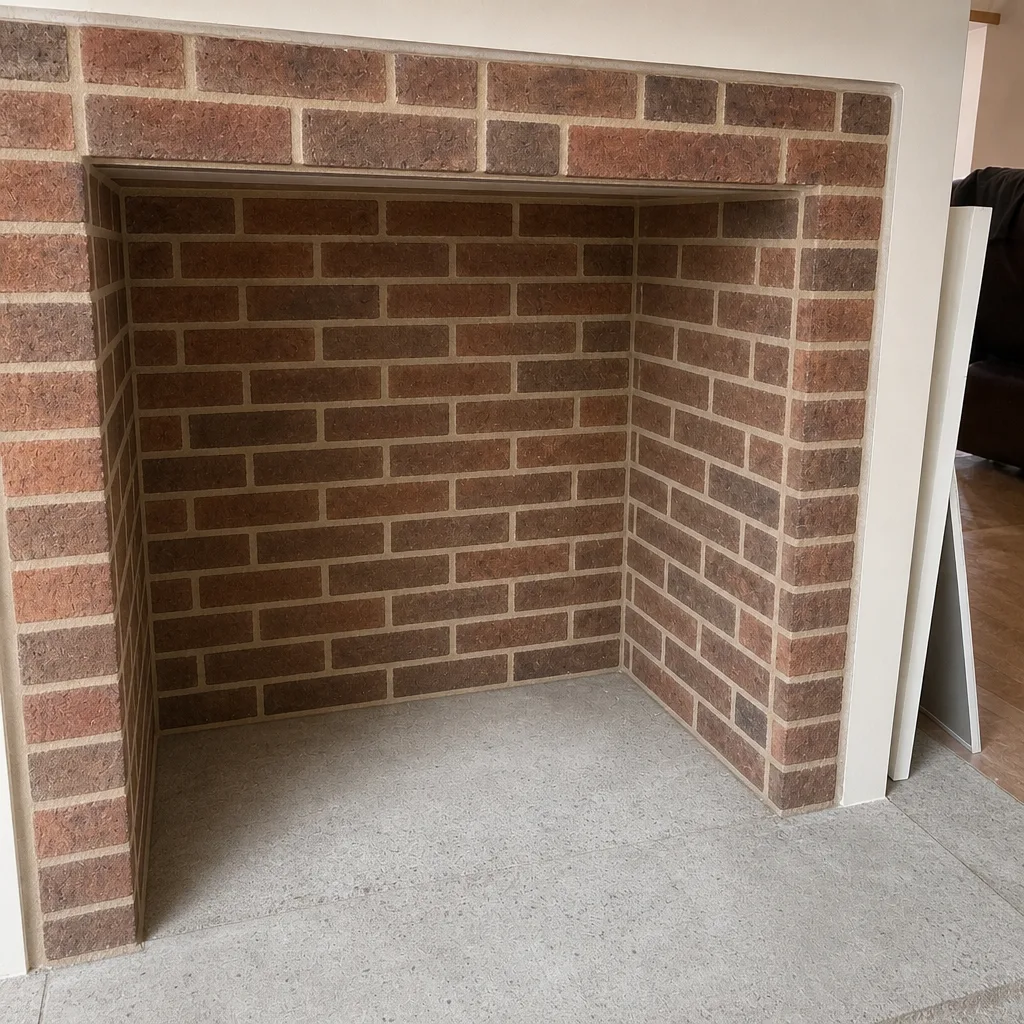
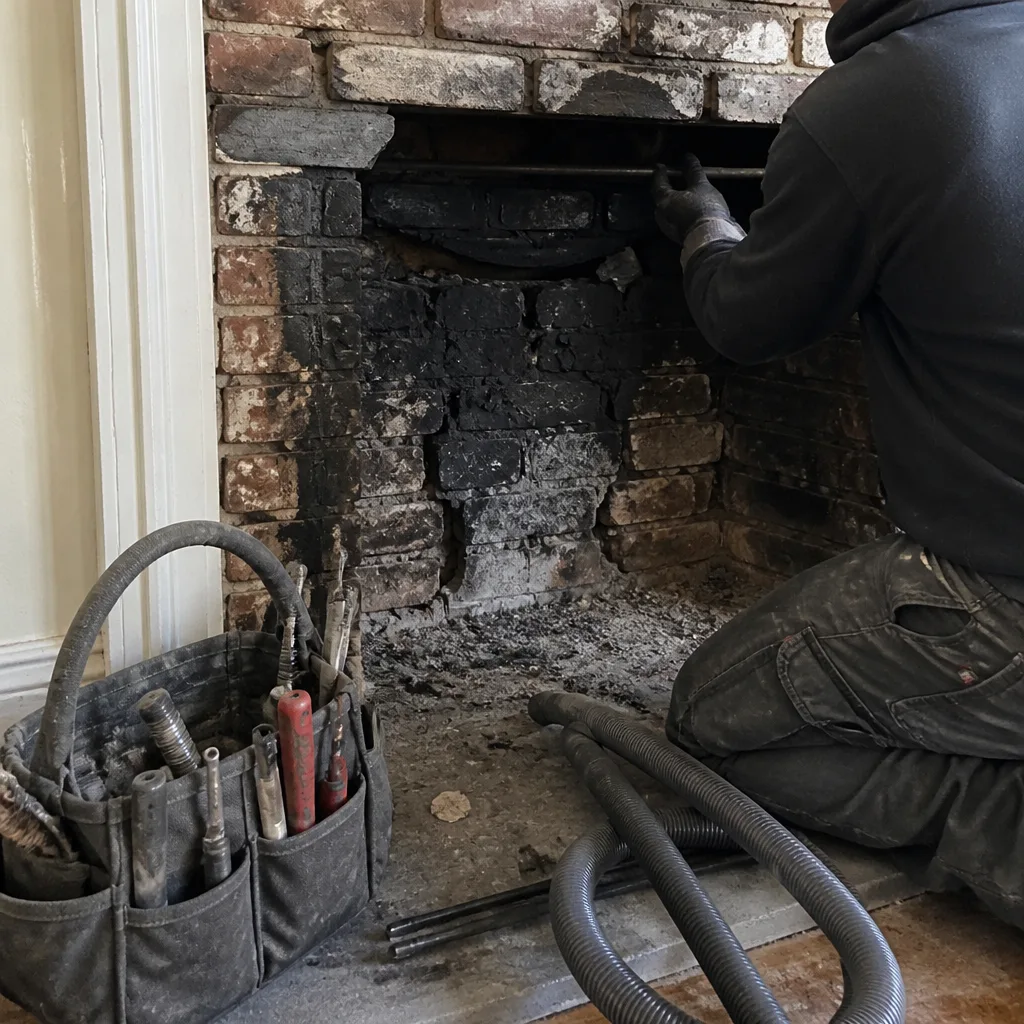
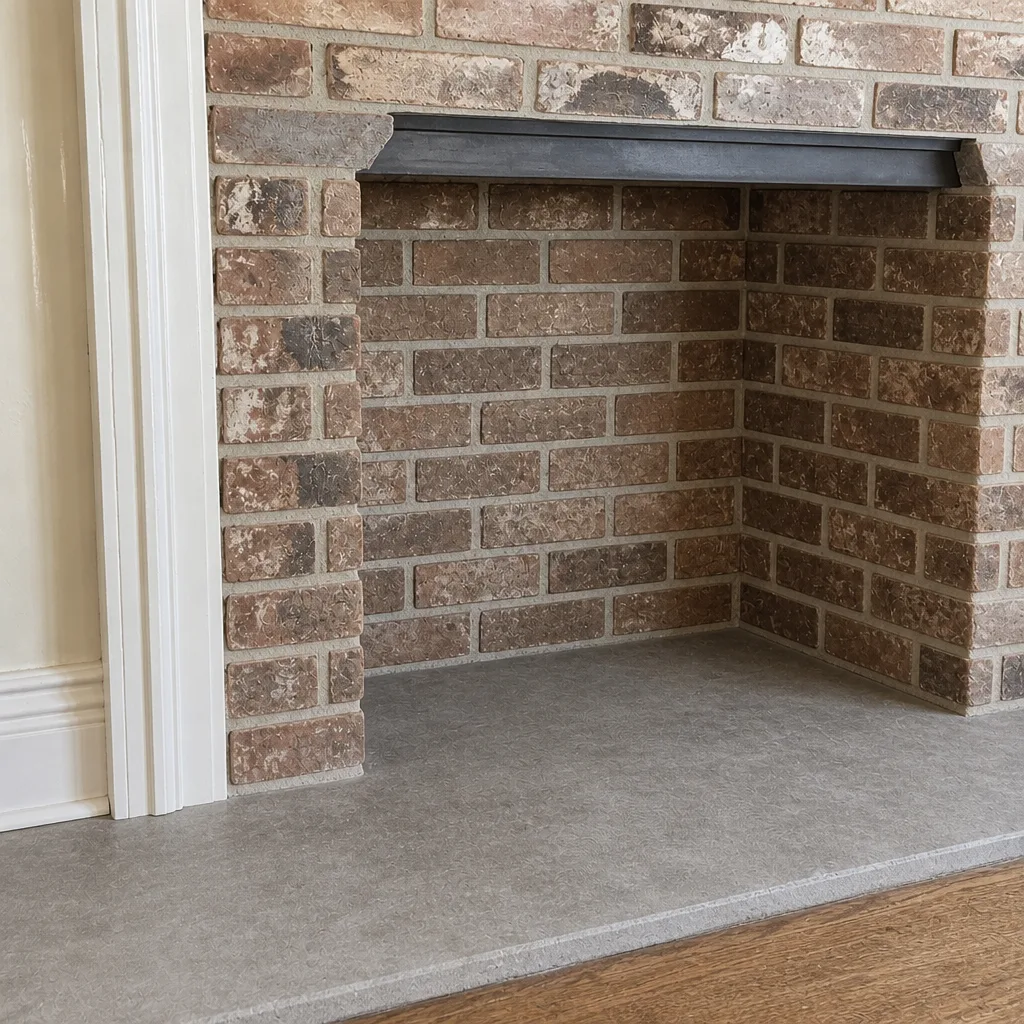
See the difference
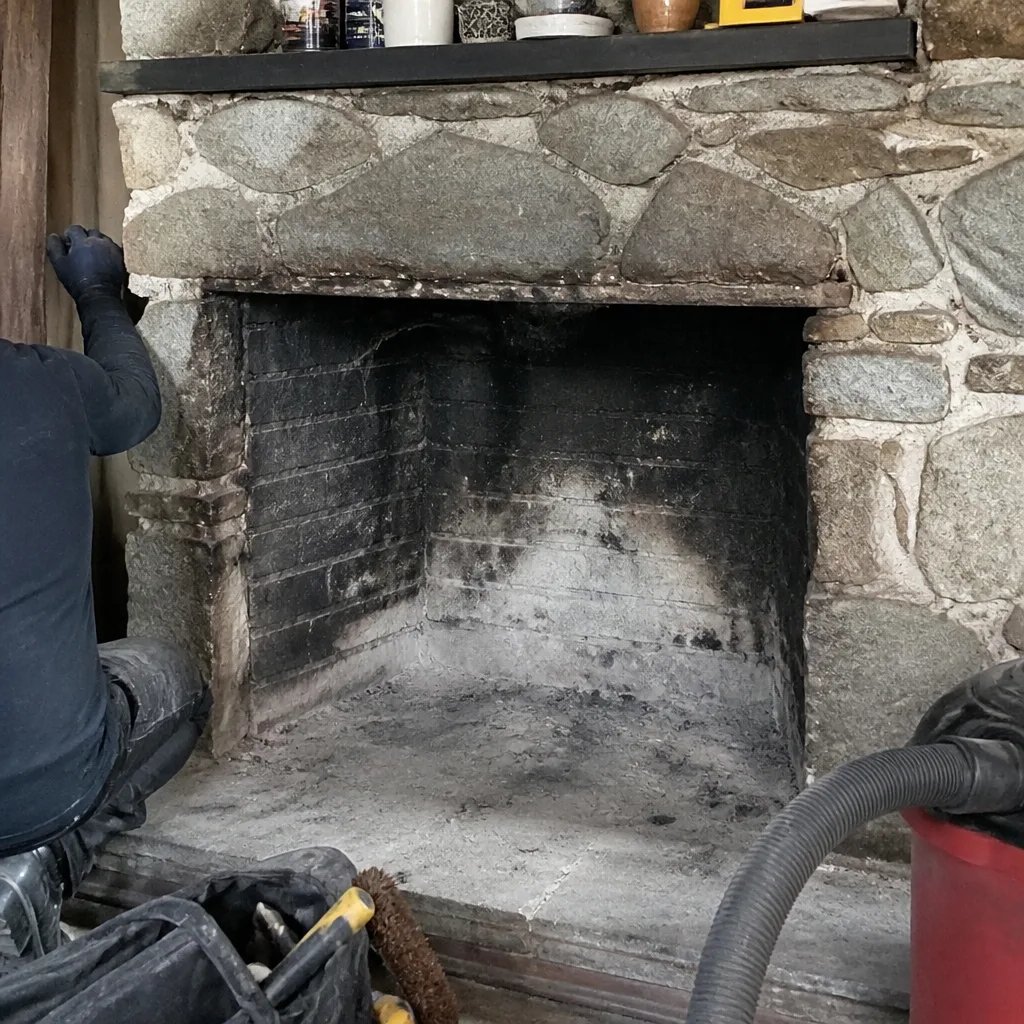 Before
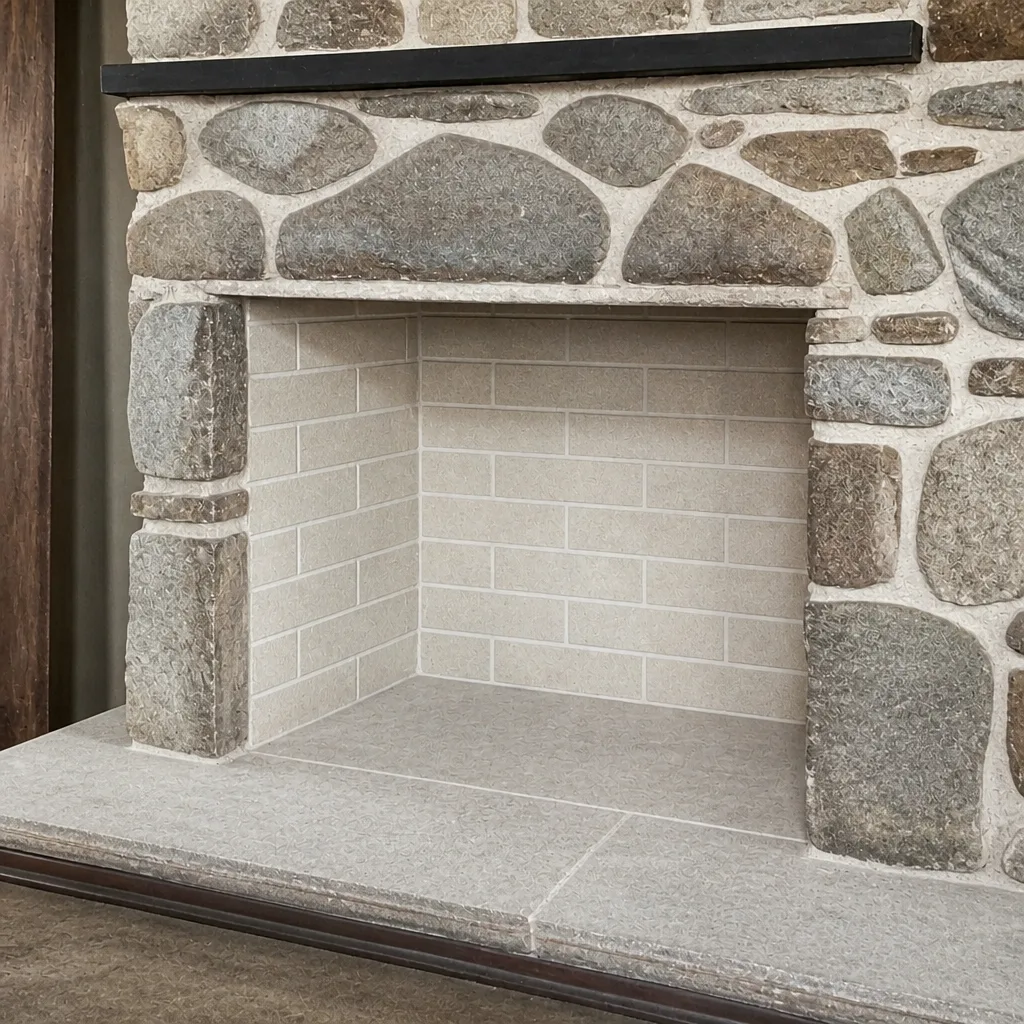 After
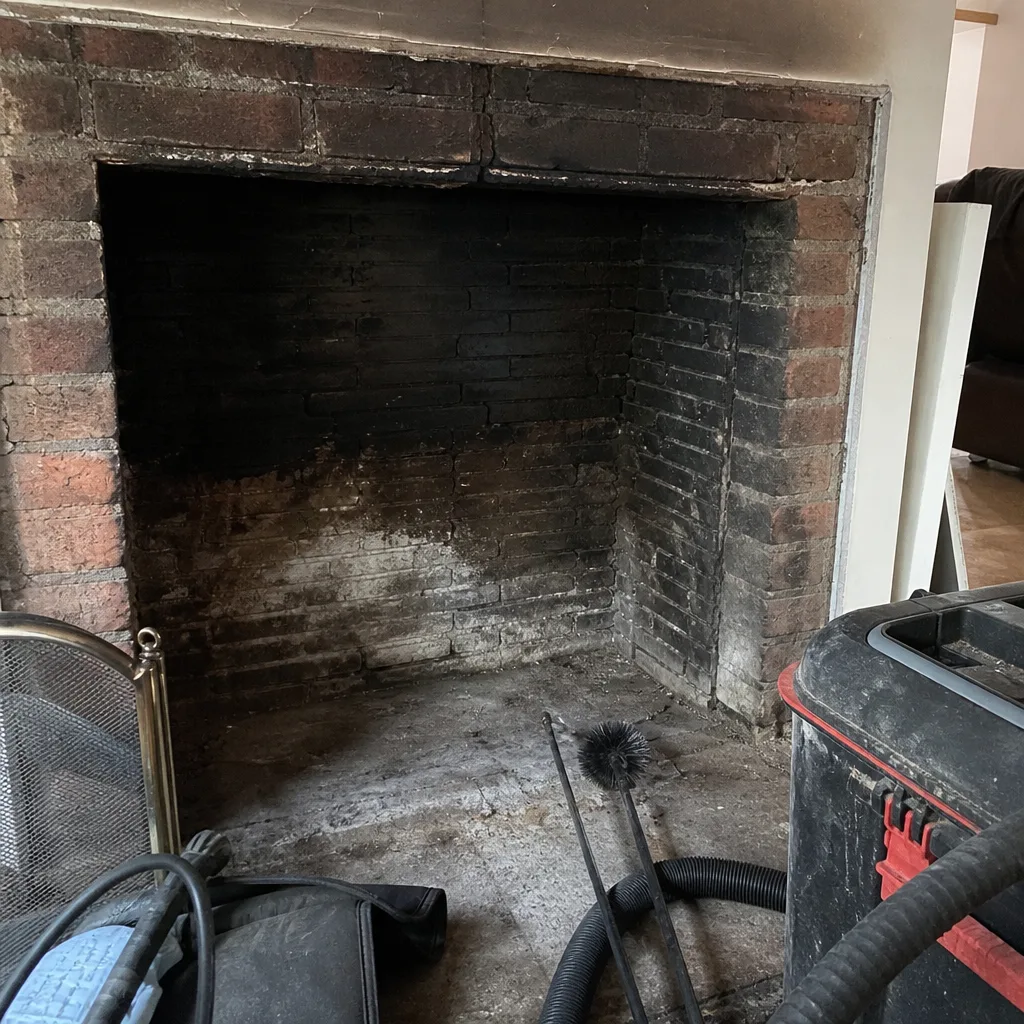 Before
 After
 Before
 After
When to Call a Professional
Call a professional if any of these apply: your chimney hasn’t been inspected in the last year, you see glazed or tar-like creosote, smoke reverses into the room, you smell chimney odor when the fireplace is cold, the damper won’t seal or open fully, the cap is missing or damaged, the crown is cracked, your roof access is restricted, your building requires approval for roof work, or your insurer or co-op expects documentation. Any one of those is reason enough. And if you’ve been burning heavily through a Hell’s Kitchen heating season, schedule the inspection before the next one starts. Chimney Sweep Hell’s Kitchen offers free estimates in Hell’s Kitchen – call (866) 947-8139. We answer 24/7, with fast dispatch from 7am to 7pm, Sunday through Friday.
Frequently Asked Questions
You can brush soot and light creosote off an accessible flue yourself, but you can’t inspect the liner, assess the smoke chamber, or diagnose a draft problem without professional equipment. For most Hell’s Kitchen apartments and rowhouses, roof access rules and building approval requirements make a professional sweep the practical choice even before safety is considered. Call (866) 947-8139 for an exact quote – estimates are free.
A typical professional chimney cleaning here is priced per job by a written estimate, and the estimate accounts for the flue length, liner type, access, and whether inspection findings call for repair work. We can’t publish a flat number that applies to every Hell’s Kitchen chimney, because the variables differ building to building. Call (866) 947-8139 for a free estimate on your specific chimney.
Skipping inspection means the creosote condition, liner integrity, and smoke chamber state of your chimney go unassessed, and those are the conditions that cause chimney fires and carbon monoxide exposure. A brush pass without inspection tells you nothing about whether the flue you just cleaned is safe to light. Call (866) 947-8139 to schedule the inspection – it’s the part that actually protects you.
Not always. A liner that’s cracked or deteriorated in a way that can be resurfaced may be restorable with HeatShield ceramic resurfacing rather than a full reline, which is one reason we run camera inspection before recommending anything. Nothing gets recommended without camera evidence you can see for yourself, and we’ll tell you plainly when a repair can safely wait. Call (866) 947-8139 for an exact quote on your liner.
The general guidance is annual inspection, with cleaning based on what the inspection finds and how much the fireplace is used – a Hell’s Kitchen apartment burning wood through a long heating season accumulates creosote faster than a fireplace used a few times a year. Gas and wood appliances both need the inspection. Call (866) 947-8139 to get on the schedule before the season starts.
It may. Many policies expect the chimney to be maintained and inspected, and a self-performed cleaning without professional documentation may not satisfy that expectation if a fire or incident ever traces back to the flue. Read your policy, or ask your managing agent what documentation the building and insurer expect. Then call (866) 947-8139 for an inspection that produces the written record.
The Bottom Line
DIY chimney brushing is real work that removes soot and light creosote, and it’s not pointless. But it’s a cleaning task, not a safety evaluation, and the gap between the two is where chimney fires and carbon monoxide incidents come from. In Hell’s Kitchen specifically, roof access rules, co-op and condo approval requirements, and dense-building workspace limits tip the balance toward professional cleaning for most homeowners. The practical answer is a hybrid: keep a log, do the safe observational tasks, and schedule a professional inspection that includes a camera look at the liner and a written report. Chimney Sweep Hell’s Kitchen covers the full system – sweep, cap and crown, repair, inspection, and fireplace repair – with professional-grade materials. Call (866) 947-8139 for a free estimate. We answer 24/7, with fast dispatch from 7am to 7pm, Sunday through Friday.
Written by the team at Chimney Sweep Hell’s Kitchen.