
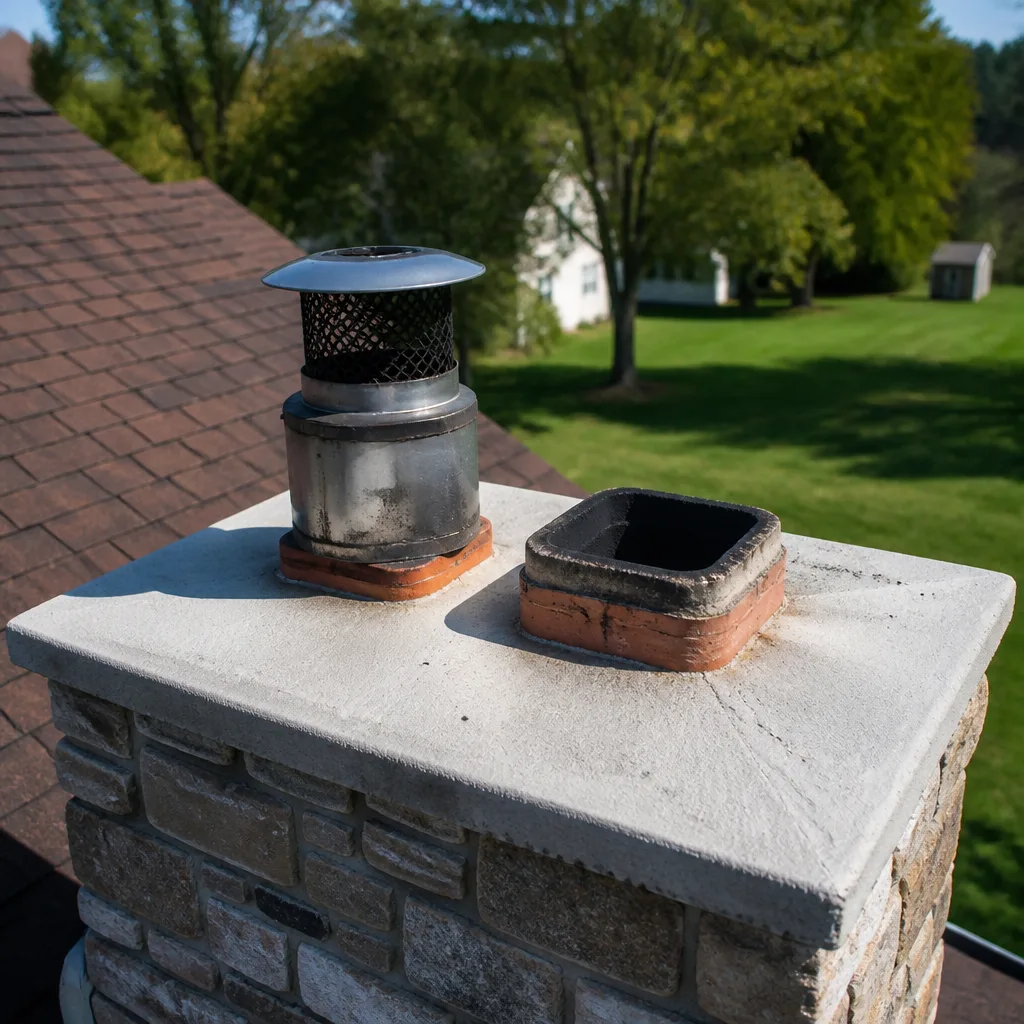
 Sweep & inspection
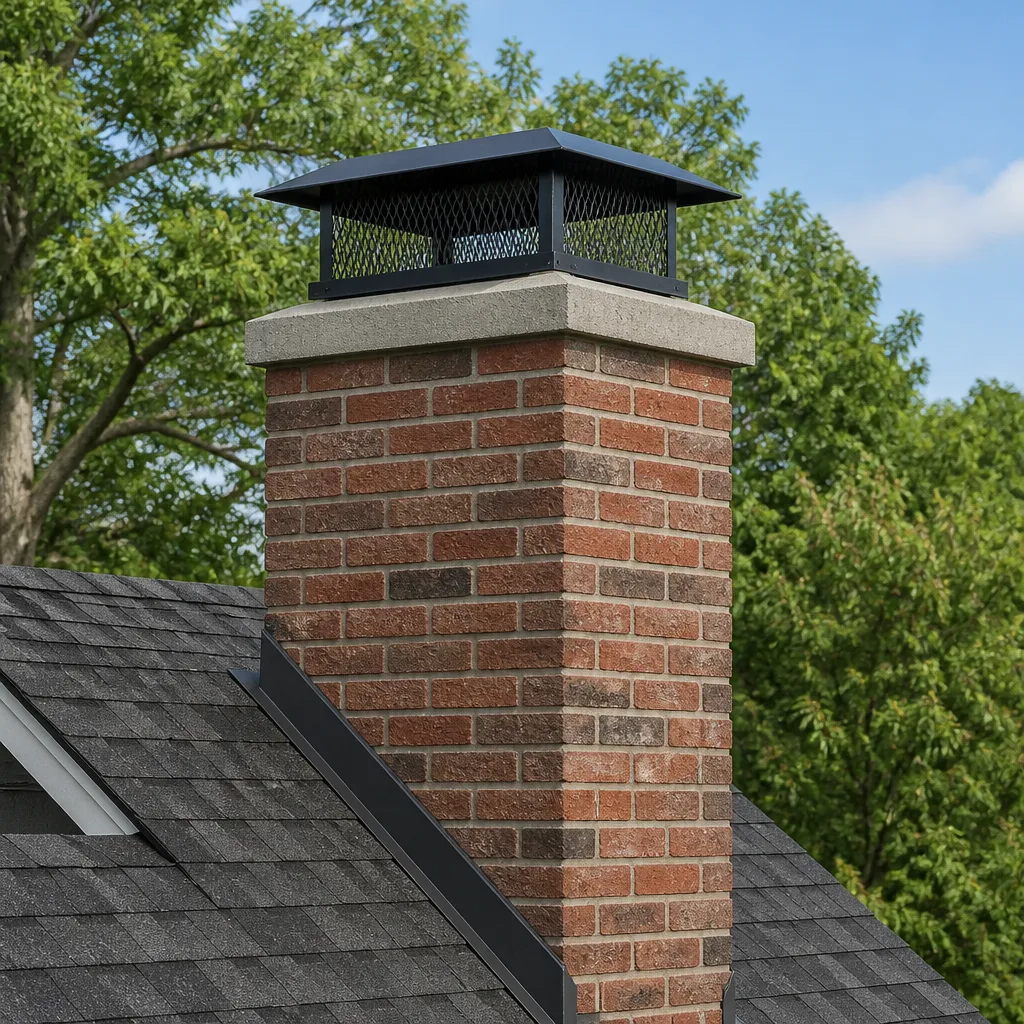 Caps & crowns
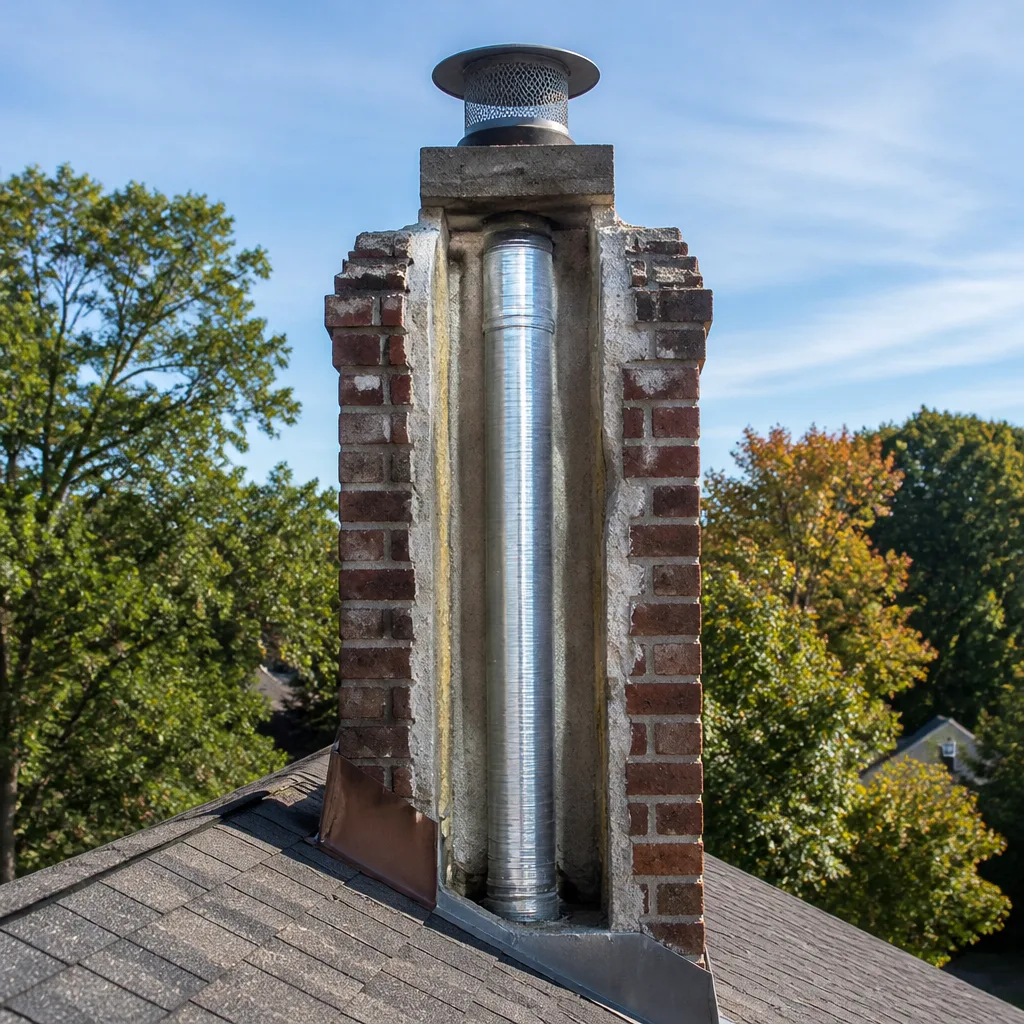 Flue relining
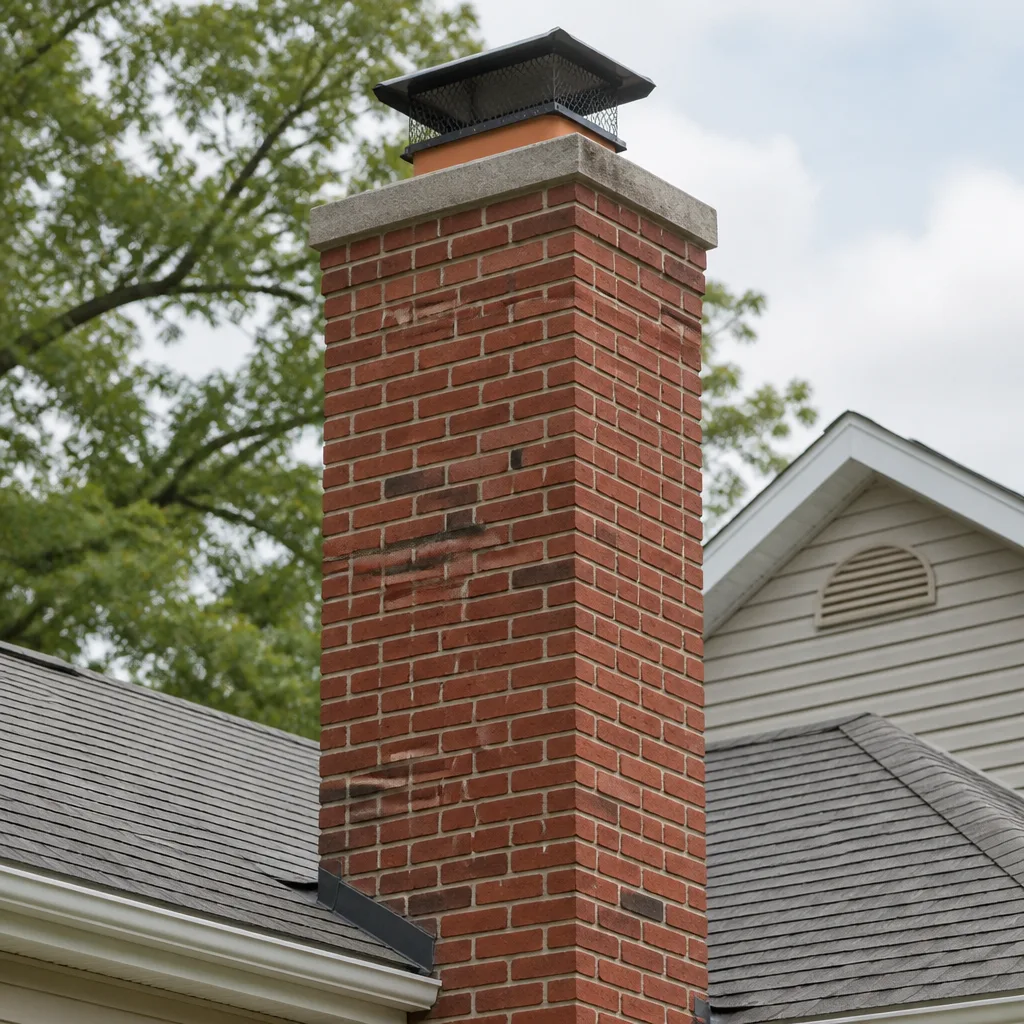 Masonry repair
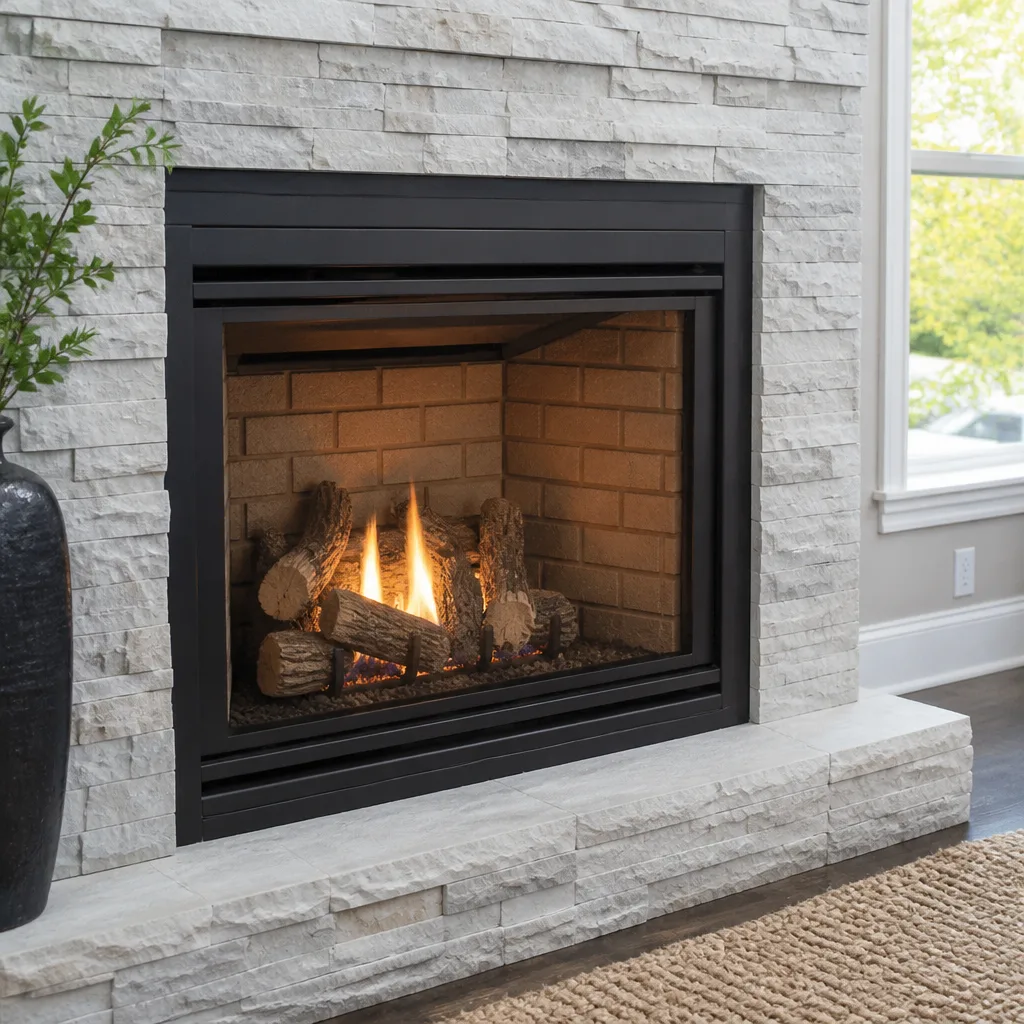 Gas fireplace service
Level 1 sweep and inspection to the NFPA 211 annual standard - flue, crown, cap, and flashing checked and photographed
Chimney sweep logs do not sweep chimneys. They loosen some creosote - which then falls where a brush and vacuum still have to collect it.
HeatShield Chimney Cleaning in Long Island City, NY
We’re an independent HeatShield service provider working across Long Island City, NY, and the one thing that sets our work apart here is the local chimney inventory itself: a small set of legacy masonry stacks in rowhouses and former industrial buildings, many now venting restaurant kitchens, where liner work has to clear commercial-flue code review before anything gets poured. HeatShield is a cast-in-place refractory liner system, not a brand of chimney or appliance, so our job is the liner itself – its mix, cure schedule, and how it bonds to degraded clay tile.
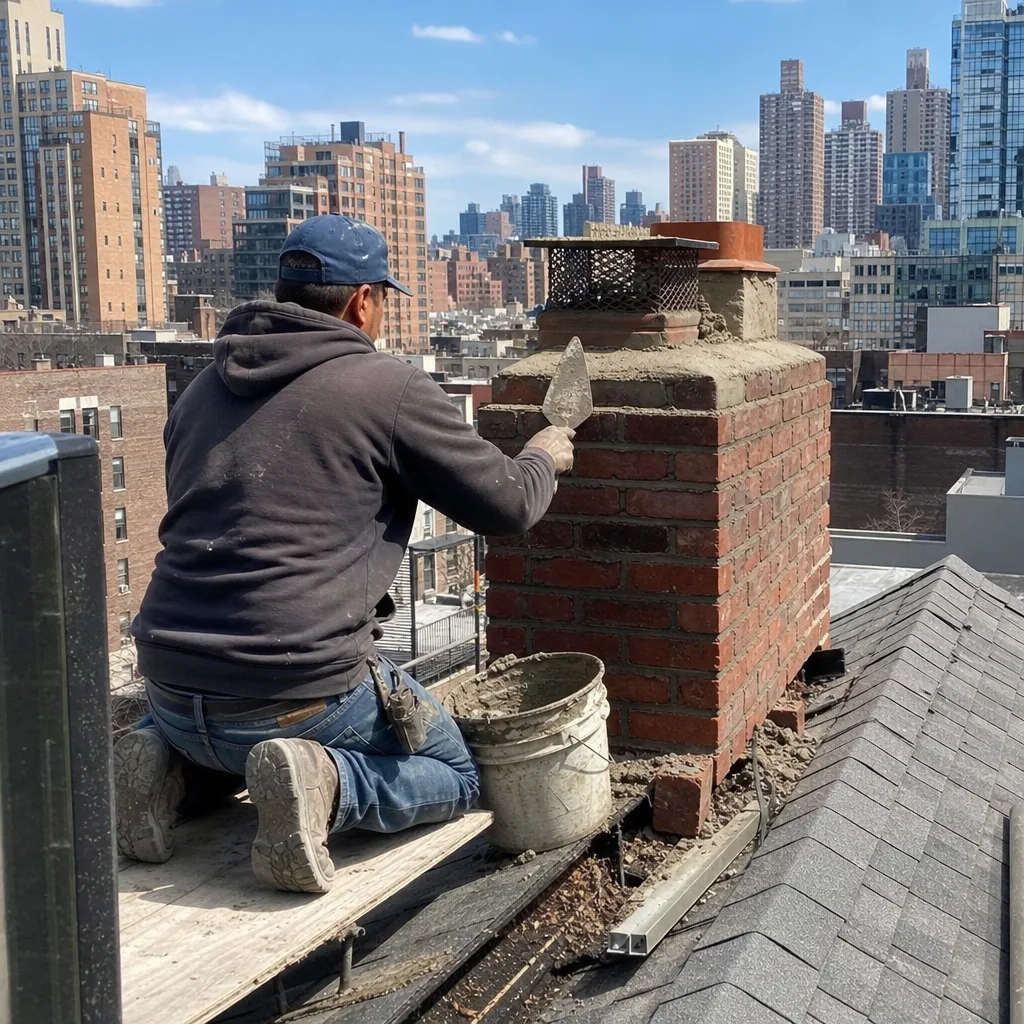
We work with materials from DuraFlex, HeatShield, Gelco, Olympia Chimney, Famco and Copperfield, and our technicians have up to 14 years of experience with liner and crown work. We’re not affiliated with HeatShield and we don’t claim to be authorized by them; we’re an independent shop that installs and services their systems correctly. To book a free estimate, call (866) 947-8139. We answer 24/7. Fast dispatch from 7am to 7pm, Sunday through Friday.
Why Long Island City Residents Choose Us for HeatShield Service
Most sweeps in Long Island City have never cast a liner. They brush, they vacuum, they hand you a receipt. HeatShield work is a different trade: you’re dealing with a refractory formulation, an insulation blend and formwork that has to be set and cured inside the flue, then camera-verified. Get any of that wrong and the shell looks fine from the roof and fails from the inside out.
We diagnose before we recommend. That starts with a Level 2 camera inspection so you can see the tile condition yourself, and it means we tell you plainly when a flue can wait and when it can’t. Parts come from recognized trade suppliers, not aftermarket refractory mixes that cure differently and can fail inspection. Scheduling is straightforward: call, we look, we explain, and the written estimate sets the price before any work begins.
If you’re comparing options, ask any contractor three things: whether they run a camera before quoting, whether the liner materials come from a recognized manufacturer, and whether the same company handles the crown and cap afterward. Those three answers separate a HeatShield specialist from a brush-and-go crew.
Styles & brands we work with
- Sweep & inspection
- Caps & crowns
- Flue relining
- Masonry repair
- Gas fireplace service
Common HeatShield Chimney Cleaning Problems We Solve in Long Island City
- Cracking and spalling of a cured HeatShield liner. This usually traces back to clay tile that wasn’t cleaned down to bare masonry before the pour. Baked-on soot and grease sit between the old tile and the new shell, and the bond fails. The former industrial stacks along Vernon Boulevard are the highest-risk cases here because decades of kitchen and boiler exhaust left the flue walls saturated.
- Failed or thin insulation mix leaving voids. When the vermiculite and refractory blend is short in a section, the cast shell heats unevenly and develops hairline cracks. Waterfront freeze-thaw after a nor’easter works those cracks open fast.
- Delamination at the top few feet. A cracked crown or a missing cap lets Long Island City’s salt-laden damp air straight onto the refractory surface, and the liner starts to come apart where it’s most exposed.
- Improperly sized sections at offsets and transitions. In 1880s to 1920s rowhouse stacks, mis-formed HeatShield sections at a flue transition collect creosote and choke draft. You feel it as smoke spill and a lazy fire.
- Grease saturation that rules out a cosmetic fix. A flue that served a commercial kitchen often can’t be resurfaced at all until the grease is removed and the interior scoped properly.
HeatShield Service in Long Island City: What Local Conditions Mean for Your Equipment
Here’s the fact that shapes every HeatShield job in this neighborhood: most of Long Island City’s chimneys aren’t in houses at all. They’re the massive former boiler stacks on Vernon Boulevard industrial buildings, now venting restaurant kitchens. That changes the whole sequence of a job. Before anyone assesses a liner, there’s NYC DEP and FDNY commercial-flue code review, and decades of baked-on grease has to come off before you can even see whether the existing flue is a candidate for resurfacing or needs partial relining. You can’t cast a HeatShield liner onto a greasy wall and expect it to bond.
Now layer in the climate. The waterfront brings damp, salt-laden air and nor’easters that accelerate masonry spalling and liner deterioration, while humid summers promote creosote buildup and mold in flues that don’t get used. For the handful of surviving chimneys in Hunters Point and along Vernon Boulevard, that combination makes annual inspection the difference between a resurfacing job and a relining job. The rest of the neighborhood’s high-rises have no chimneys at all, which makes this a code-sensitive specialty serving a very small inventory of legacy stacks.
HeatShield Models & Products We Service in Long Island City
The HeatShield work we handle in Long Island City covers the cast-in-place ceramic liner, poured around an inflatable form and cured in place; the insulation mix that goes behind it; the resurfacing and crown repair compound; and pre-cured flue sections used for partial relining around offsets and transitions. Each of those has its own cure and bonding requirements, and each fails differently when the prep was rushed.
HeatShield’s liner systems are proprietary. The ceramic mix, the insulation blend and the forms should come from HeatShield or an authorized distributor, because aftermarket refractory mixes cure at different rates and can fail a camera inspection. We don’t stock shelves of this material and we’re not a HeatShield dealer; we source quality parts that fit your system and install them to spec.
See the difference
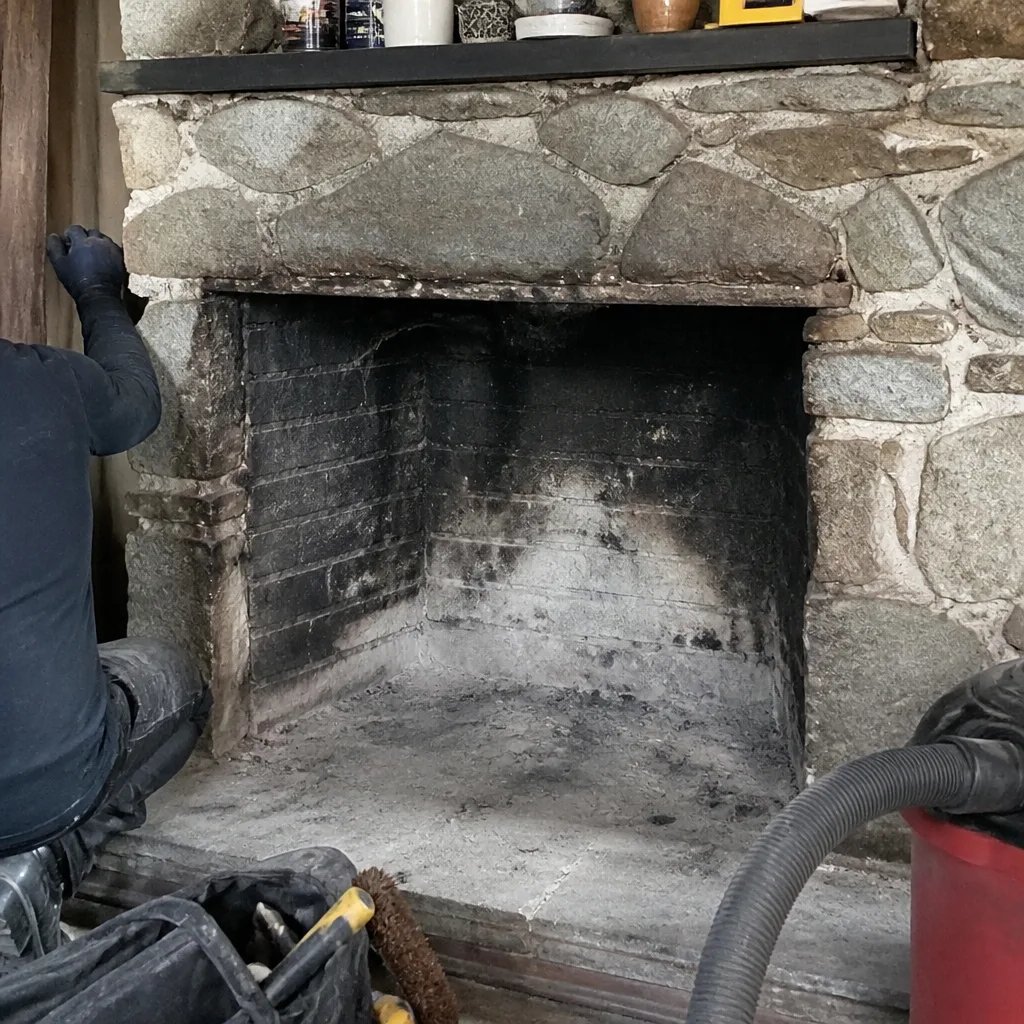 Before
 After
 Before
 After
 Before
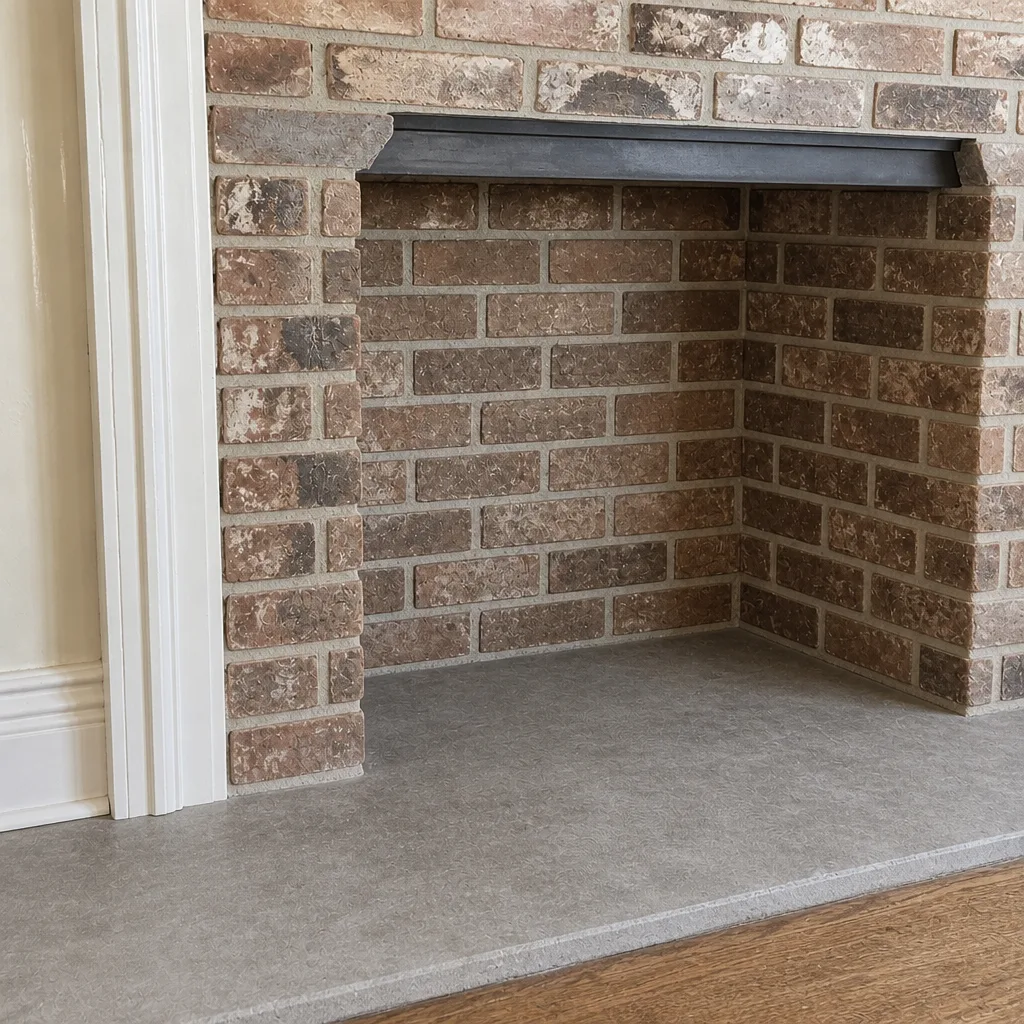 After
HeatShield Service Pricing in Long Island City
HeatShield liner and resurfacing work is priced per job, and the written estimate you get after inspection sets the final number. What drives cost is the condition of the existing flue, the height and access, whether commercial-flue code review is involved, and how much creosote or grease removal comes first. The free estimate includes a Level 2 camera inspection, so you’re pricing against evidence rather than a guess.
- Level 2 camera inspection with a photo report – included in the estimate
- Creosote and grease removal – scoped from what the camera shows
- Crown repointing or crown repair – priced by extent of the damage
- HeatShield resurfacing versus partial or full relining – quoted once the tile condition is confirmed
Call (866) 947-8139 for an exact quote. Estimates are free. We answer 24/7, with fast dispatch from 7am to 7pm, Sunday through Friday.
Serving Long Island City, NY – Our Local Coverage Area
We serve Long Island City and nearby communities. Use the map below to see the area we cover. If you’re nearby, we can almost certainly help.
FAQs – HeatShield Chimney Cleaning in Long Island City
Sometimes, but not before the grease is gone. Decades of baked-on kitchen exhaust has to be removed and the flue run with a camera before anyone can judge whether the wall will take a cast liner. In many of these stacks the honest answer is partial relining rather than resurfacing. Call (866) 947-8139 to get it inspected – estimates are free.
Yes, if the tile is still structurally sound. Minor cracks are exactly what HeatShield resurfacing is built for, and it saves you the cost of full relining. Collapsed tiles, failed offsets or a heavily saturated flue change the answer, though, and that call gets made after a Level 2 camera inspection, not before.
Salt-laden damp air and nor’easter freeze-thaw cycles attack the top of a chimney first. If the crown is cracked or the cap is missing, moisture reaches the refractory surface and the liner delaminates in the top few feet. Repointing the crown and fitting a proper cap protects the HeatShield work underneath it.
It helps only after the creosote is removed. A smooth, properly cured liner does improve draft and gives creosote less to cling to, but pouring over a glazed flue traps the problem behind the shell. We clean first, verify with the camera, then assess. Call (866) 947-8139 to book that inspection.
A Level 2 camera inspection is what HeatShield work requires. A Level 1 visual check can’t see the tile condition, the offsets or the voids behind a liner, and those are precisely what determine whether resurfacing will hold. Think of the Level 2 as the groundwork for the estimate – call (866) 947-8139 and we’ll schedule it.
Service Areas Near Long Island City
Our HeatShield work reaches homeowners and building owners around Long Island City, including residents who find us through our Long Island City service page. We also cover Hell’s Kitchen, Midtown, the Upper East Side, Chelsea, Murray Hill and Kips Bay, plus Roosevelt Island and Greenpoint across the water. For the broader picture on HeatShield liner systems, our brand page covers the technical side.
Book Your HeatShield Service in Long Island City Today
If your flue needs a camera inspection, a crown repaired, or a HeatShield liner assessed by someone who understands what Long Island City’s legacy stacks are up against, call (866) 947-8139. The estimate is free, and the written quote sets the price. We answer 24/7. Fast dispatch from 7am to 7pm, Sunday through Friday.
Written by the team at Chimney Sweep Hell’s Kitchen.