
Last updated November 25, 2026
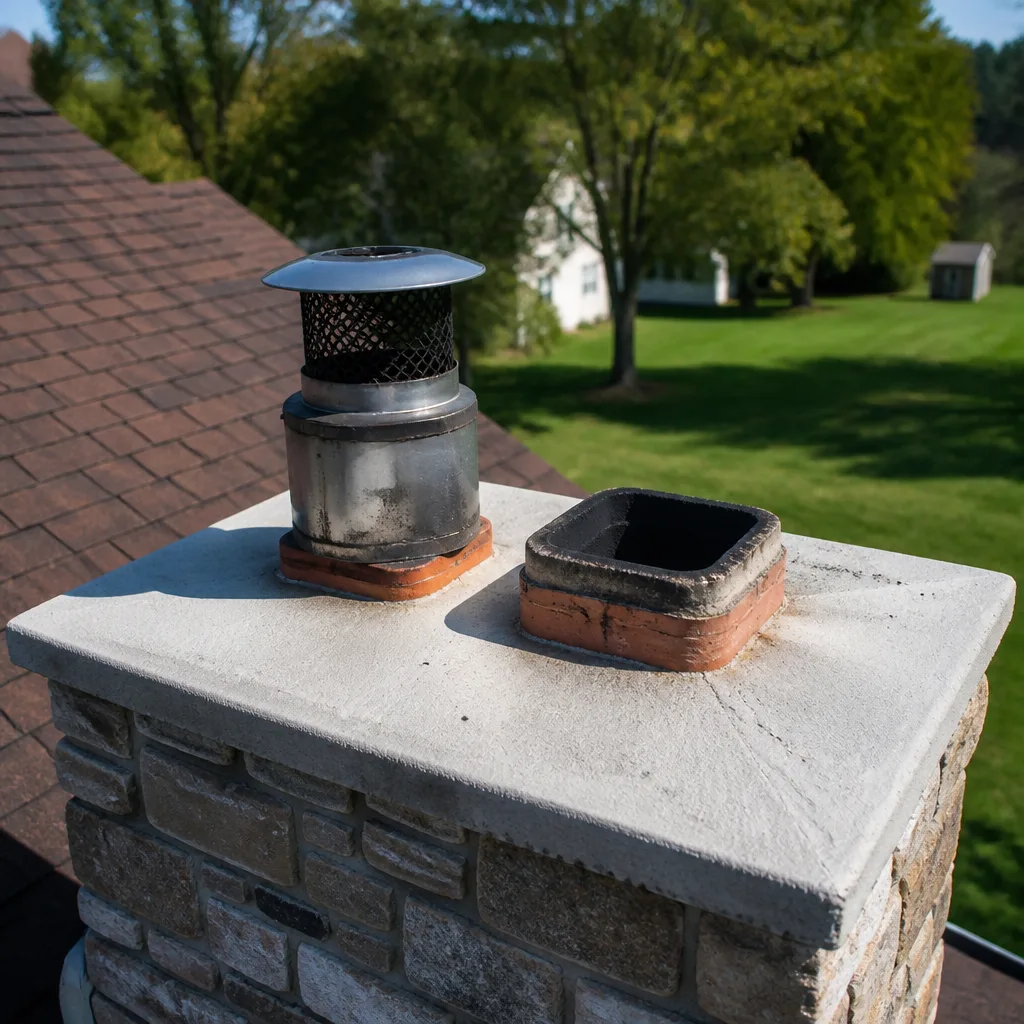 Sweep & inspection
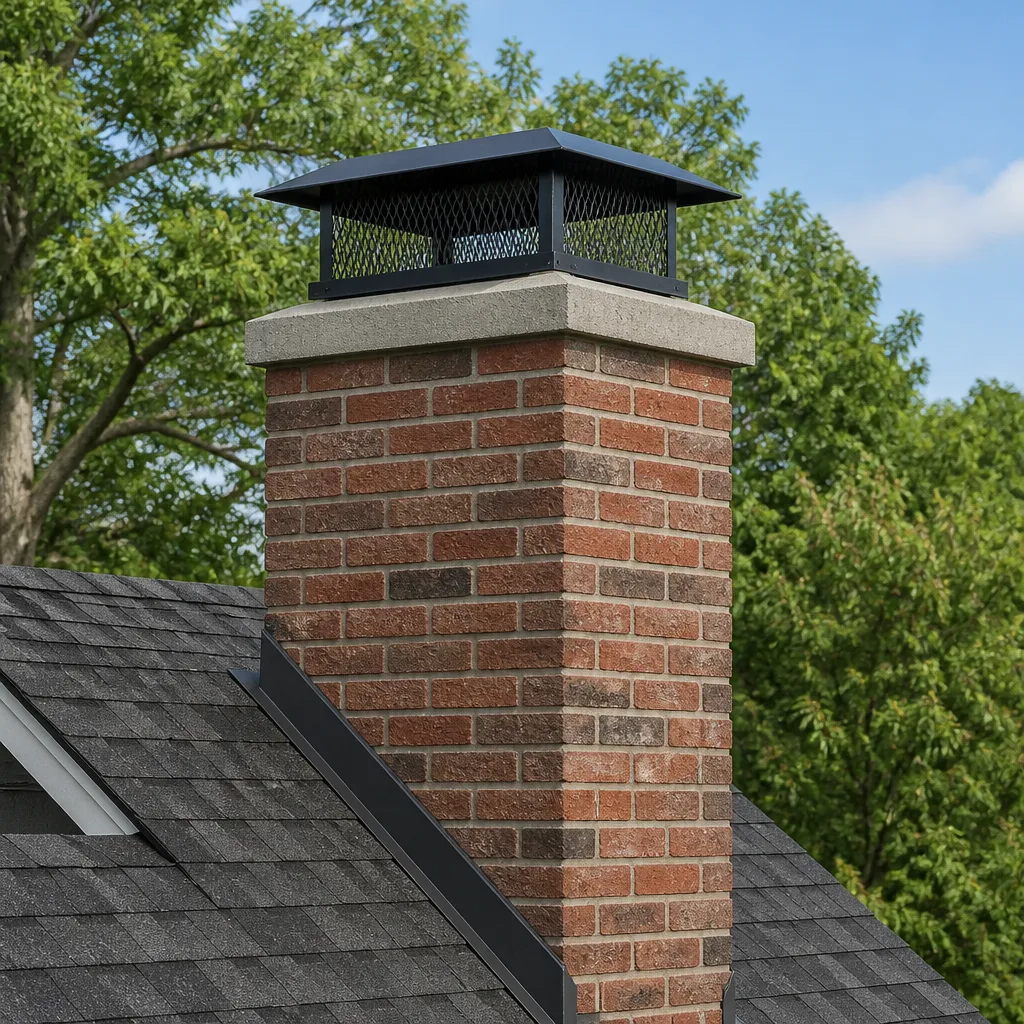 Caps & crowns
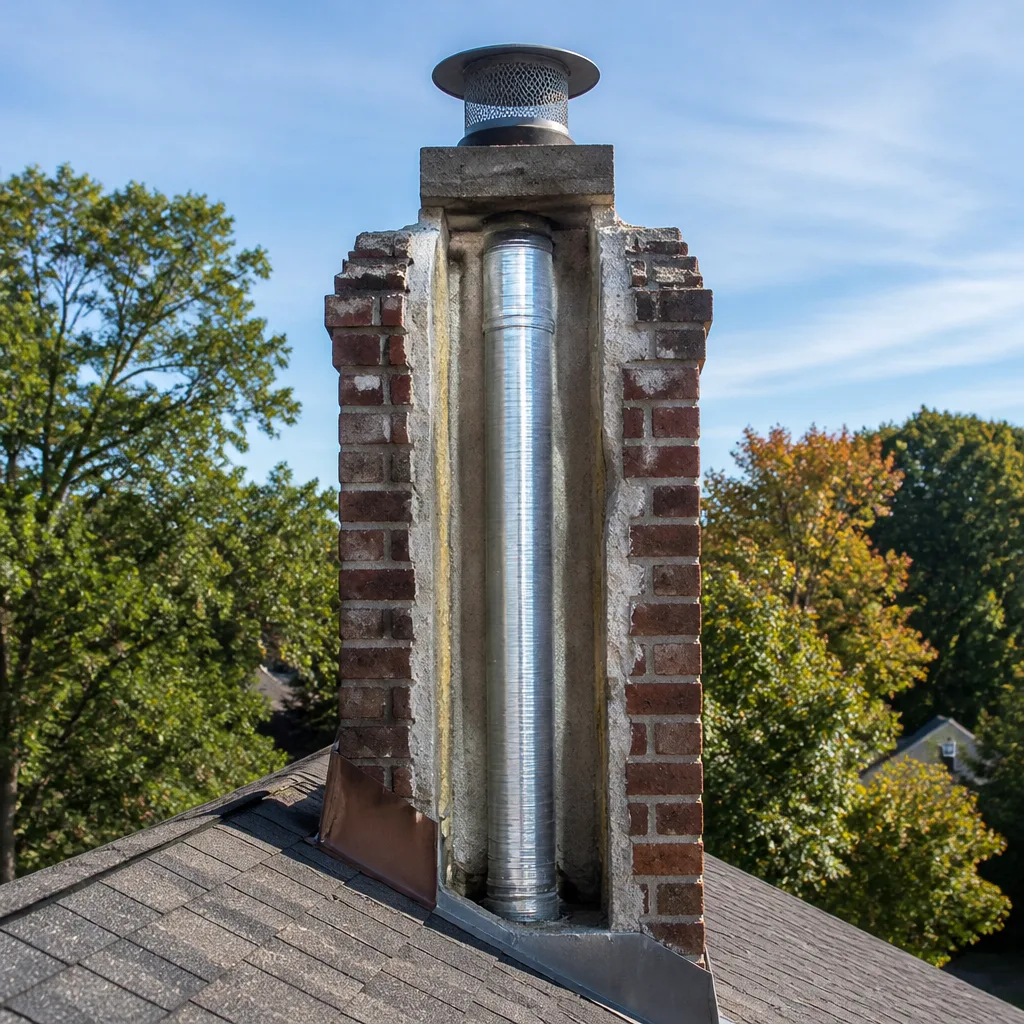 Flue relining
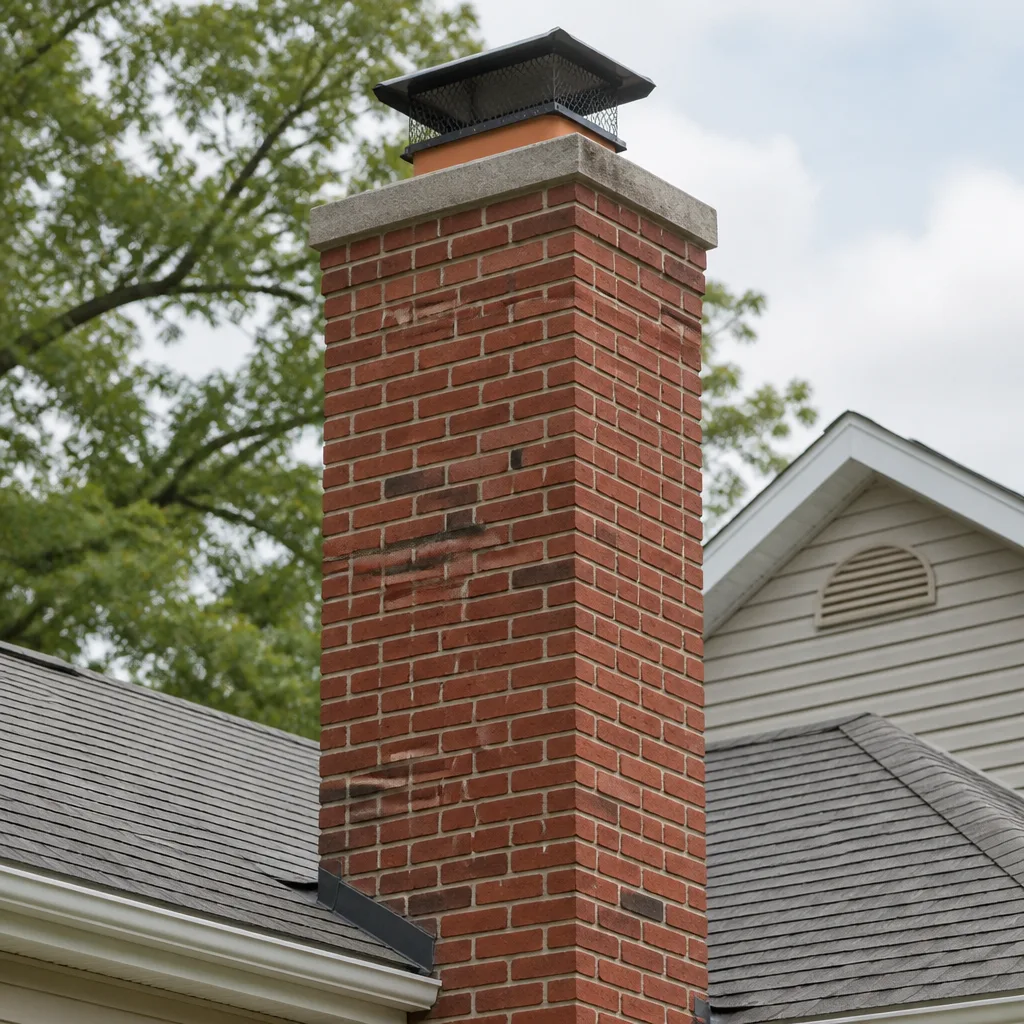 Masonry repair
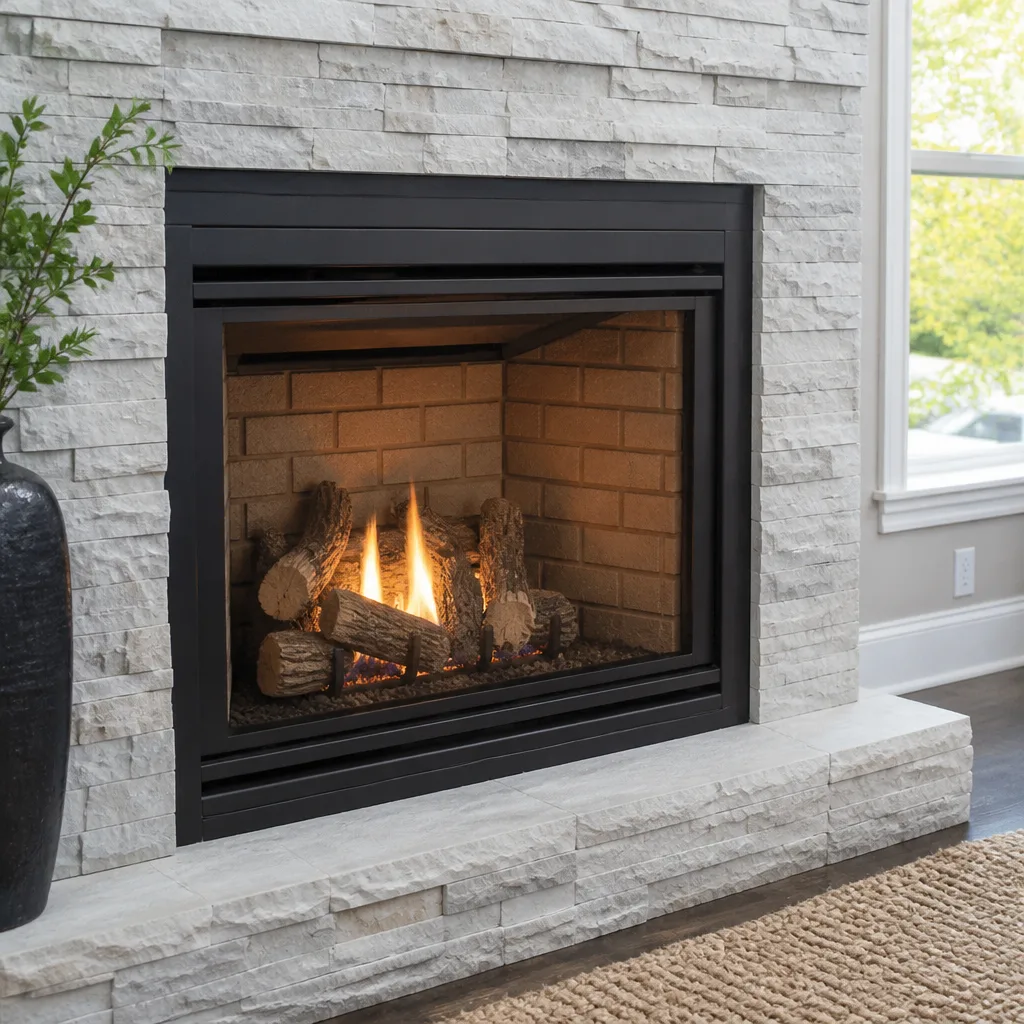 Gas fireplace service
Level 1 sweep and inspection to the NFPA 211 annual standard - flue, crown, cap, and flashing checked and photographed
Chimney sweep logs do not sweep chimneys. They loosen some creosote - which then falls where a brush and vacuum still have to collect it.
The Complete Guide to Chimney Cleaning in Hell’s Kitchen
Most chimneys in Hell’s Kitchen have been reinvented at least twice. They were built for coal, converted for oil or gas, and many were converted again when the fireplace became decorative. Each transition left a residue layer behind, and almost none of those transitions came with a proper inspection afterward. That’s the part a brush-only sweep never accounts for. Soot comes off, the fire looks fine, and the layered history stays invisible. This guide maps the full system from firebox to crown, explains the three inspection levels and which one your situation actually calls for, and shows you how to read a report so you know what’s urgent and what can wait.
Quick Answer
Chimney cleaning in Hell’s Kitchen means sweeping the flue, but on pre-war rowhouse chimneys it also means inspecting the liner, smoke chamber, damper, crown and cap, because shared and offset flues don’t behave like the simple straight chimneys a standard sweep assumes. A Level 1 inspection covers a fireplace you use as-is; a Level 2 is what you want at a sale, a fuel change, or after any event that may have damaged the liner. Everything we recommend comes with camera or photo evidence you can see yourself.
Styles & brands we work with
- Sweep & inspection
- Caps & crowns
- Flue relining
- Masonry repair
- Gas fireplace service
Table of Contents
- Why Hell’s Kitchen Chimneys Are Different
- Shared Flues and Offset Flues in Pre-War Rowhouses
- Level 1, Level 2, and Level 3 Inspections Explained
- What Gas-Converted Fireplaces Leave Behind
- What “Cleaning” Means for Each Chimney Component
- How to Read a Chimney Inspection Report
- What Chimney Cleaning Costs in Hell’s Kitchen
- How a Typical Visit Works
Why Hell’s Kitchen Chimneys Are Different
Hell’s Kitchen was built dense and built fast. The rowhouse and tenement stock that fills the blocks between the low 30s and the upper 50s went up before central heating existed, which means the chimney was originally heating infrastructure, not a feature. When the building got a boiler and radiators, the fireplace became redundant. When it became an apartment or a renovated single-family, the fireplace came back to life, often without anyone looking up the flue first. Gas inserts get dropped in. Dampers get sealed or removed. A flue that once carried coal smoke for the whole building now serves one decorative fire.
That sequence matters because each fuel leaves a different residue, and those residues don’t cancel each other out. Coal ash is fine and gritty. Oil soot is denser and can carry sulfur compounds that eat at older mortar. Gas produces moisture and a lighter, sometimes acidic deposit. Layered in an unlined or nominally lined flue, that combination is what makes a Hell’s Kitchen chimney a diagnostic job rather than a cleaning job. Our technicians have up to 14 years of experience, and the recurring finding is rarely a blocked flue. It’s a flue with a history nobody documented.
Construction adds the second wrinkle. Rowhouses share walls, and their chimneys share mass and often share flue walls within a single stack. A chimney that looks independent from the roof may be tied into a neighbor’s flue cavity a floor below. That’s why we treat the building’s age and layout as part of the inspection, not background noise. For the routine service itself, see chimney sweep.
Shared Flues and Offset Flues in Pre-War Rowhouses
A brush goes where a brush can reach. In dense rowhouse construction, that’s frequently not the whole flue. Two conditions show up again and again in Hell’s Kitchen, and both defeat a standard top-down sweep without a proper liner assessment.
Shared and back-to-back flues
Many pre-war buildings routed two fireplaces, sometimes from different units, into a single chimney stack with separate flues inside it. When one flue is breached or improperly parged, smoke and carbon monoxide can cross into the other. A sweep who cleans one flue and never checks the wall between them has left the real risk untouched. We inspect each flue in a shared stack as its own system.
Offset and dog-legged flues
Chimneys built to work around stair runs and party walls are often offset or angled inside the building. The offset creates a shelf where creosote and debris collect, and it’s a spot a straight rod can pass right by. Camera inspection is the only reliable way to see whether an offset is clear, cracked, or lined consistently through the bend.
When we find those conditions, the fix usually isn’t a bigger brush. It’s an evaluation of the liner itself and, where the flue is deteriorated but structurally sound, a resurfacing approach such as HeatShield ceramic flue resurfacing rather than full relining. That option exists for exactly this building stock, and it’s worth asking whether a company can perform it before you book a reline you may not need. We cover the material side of this in our guide to chimney repair.
Level 1, Level 2, and Level 3 Inspections Explained
Inspection standards in this trade follow NFPA 211, which sets three levels of investigation. The level isn’t a price tier or an upsell ladder. It’s the right amount of looking for the condition of the system and what changed since the last inspection.
- Level 1 – Readily accessible parts of the fireplace and flue, with the appliance in place. This is the baseline check for a chimney you’ve used the same way for years with no known problems. It covers the firebox, damper, smoke chamber as far as it can be seen, and the flue.
- Level 2 – Everything in a Level 1 plus a video scan of the full flue interior. This is the level you want when the property changes hands, when a fuel or appliance changes, after a chimney fire or a seismic or structural event, and after any weather event that could have damaged the liner.
- Level 3 – Targeted investigation that may require opening a wall or removing part of the chimney to reach a specific area the first two levels flagged. It’s scheduled when a Level 2 finding can’t be confirmed without access.
For Hell’s Kitchen specifically, Level 2 is the honest default for any pre-war building where the fireplace’s recent history is unknown. That’s most of them. If you’ve just bought a co-op with a working fireplace, or you’re switching from wood to gas, you’re in Level 2 territory by the standard’s own logic, not because a company wants to sell you more. Our Chimney Sweep Hell’s Kitchen page covers the general inspection menu.
What Gas-Converted Fireplaces Leave Behind
A gas fire burns clean, so the flue is fine. That’s the assumption, and it’s the one we run into most often in Hell’s Kitchen. Gas doesn’t make the same soot volume as wood, but the byproducts are water vapor and, depending on the appliance and venting, acidic condensate. In a flue that was sized for solid fuel and is now handling a gas appliance, two things happen.
- Moisture sits where it used to evaporate – a flue sized large for wood is oversized for a modern gas insert, so exhaust cools and moves slower. Condensate wets the flue walls and mortar joints.
- Old deposits get re-dampened – the oil and coal residue left from previous conversions absorbs that moisture and turns active against the masonry, spalling brick and washing out joints.
There’s also a venting question. A gas fireplace that isn’t vented correctly can spill combustion gases into the room rather than up the flue. That’s the carbon monoxide concern worth taking seriously, and it’s a reason to have the venting inspected after any conversion rather than trusting that the installer did the whole job. Specialists who source and install professional-grade venting materials from brands like Olympia Chimney and Gelco know how appliance and flue have to match. Our full guide to chimney sweep procedures is worth reading if you’re weighing a conversion.
What “Cleaning” Means for Each Chimney Component
We don’t just sweep. We diagnose, and that starts with treating the chimney as seven components, each with its own condition and its own cleaning or inspection method. Here’s what “clean” actually means at each one.
Firebox
The firebox takes the most heat and the most abuse. Cleaning means clearing ash and soot, but the real work is checking the brick and firebrick joints for cracks and the mortar for heat damage. A cracked firebox lets heat reach the structure behind it.
Damper and smoke shelf
The smoke shelf is a ledge behind the damper that catches everything coming down the flue. It fills with soot and debris and is one of the most commonly skipped spots in a quick sweep. The damper itself needs to open, close, and seal correctly.
Smoke chamber
The smoke chamber is the tapered space above the damper that funnels smoke into the flue. Its corbeled walls catch creosote, and its shape can pull smoke back into the room if the surfaces are rough. Cleaning here means smooth scraping, and where surfaces have deteriorated, resurfacing.
Flue liner
The liner is the heart of the system. Cleaning means removing creosote and checking the liner’s integrity with a camera. A clay-tile liner with cracked joints is a candidate for ceramic resurfacing with HeatShield rather than automatic replacement.
Crown
The crown is the concrete cap at the top of the chimney that sheds water away from the flue. A cracked crown is the single most common entry point for water damage in Hell’s Kitchen’s freeze-thaw winters. Cleaning isn’t the word here. Repair is.
Cap
The chimney cap covers the flue opening and keeps out rain, birds, and debris. It needs to be sized and installed correctly or it restricts draft. Cap and crown work is preventive, and it’s often the highest-value thing a homeowner can do. See our chimney cap & crown page.
If any component needs fireplace-level repair, that stays under the same trade rather than getting handed off. We bridge the gap between chimney work and general contracting so the whole repair stays accountable to one specialist.
How to Read a Chimney Inspection Report
A report should tell you what was found, how it was found, and what it means for how you use the fireplace. When you get one back, read it in three passes.
- Findings vs. observations. A finding is a defect that affects safety or function. An observation is something to monitor. If the report doesn’t separate them, ask which is which.
- Look for evidence. Every finding should point to a photo or a video frame. If you can’t see the defect yourself, ask to. Nothing gets recommended without camera evidence you can look at.
- Match findings to urgency. Cracks in the firebox, a compromised liner, a blocked flue, or a crown that’s failed and letting water in are act-now items. A small amount of surface glazing or a cap that’s slightly loose is monitor territory. A straight answer about what can safely wait is part of a good report.
The reader who understands their own report makes better decisions and is a lot harder to oversell. That’s why we hand over the photos as a matter of course, and why we’ll tell you plainly when a finding can wait for a future visit.
What Chimney Cleaning Costs in Hell’s Kitchen
A routine chimney sweep is typically a modest flat fee, and the inspection, camera scan and photo report are included with it. Repair work is priced separately per job, by written estimate after the findings are known. Here’s the shape of it:
| Service | Typical cost (estimate) |
|---|---|
| Standard sweep and Level 1 inspection | Flat fee, quoted before booking |
| Level 2 inspection with video scan and photo report | Higher than a Level 1, quoted before booking |
| Cap and crown repair or replacement | Priced per job by written estimate |
| Flue resurfacing (HeatShield) | Priced per job by written estimate |
| Relining or structural repair | Priced per job by written estimate |
| Fireplace repair | Priced per job by written estimate |
The written estimate always sets the final price. We don’t work from a phone number, because in Hell’s Kitchen a sweep on one rowhouse chimney and a Level 2 on a shared-flue tenement stack aren’t the same job. Book the sweep with a quote agreed up front, then let the inspection tell you what the repair scope actually is. For roofing, framing or appliance work outside chimney scope, you’ll get an honest referral rather than a guess from a sweep crew.
How a Typical Visit Works
A visit starts with questions, not a brush. We ask how you use the fireplace, whether it burns wood or gas, whether it’s been converted, and what you know about the last inspection. Then we work top to bottom.
- Set up protective coverings and a containment so soot stays in the work area.
- Inspect the cap, crown and flue termination at the roof.
- Scan the flue interior with a camera if a Level 2 is called for.
- Sweep the flue and clear the smoke shelf, smoke chamber and firebox.
- Check the damper, the firebox joints and the liner condition.
- Review the findings with you, show you the photos, and separate urgent from monitor.
Most of the value comes from step six. A sweep leaves you with a clean flue. A diagnosis leaves you with a clear picture of what your Hell’s Kitchen chimney is doing and what, if anything, needs attention before the next heating season.
Common Mistakes to Avoid
- Book a sweep with no inspection. If the visit is brush-only, you don’t know whether the liner is sound. Ask what level of inspection is included before you book.
- Assume a clean flue means a safe system. A flue can be spotless and still have a cracked crown and a failed firebox. Cleaning and inspecting are different jobs.
- Skip the crown. In Hell’s Kitchen’s freeze-thaw winters, a cracked crown lets water into the masonry, which damages the rest of the system over time. It’s preventive, not cosmetic.
- Convert a fireplace and move on. A gas conversion changes the venting and the residue profile. It calls for a Level 2, not a handshake.
- Take a quoted number at face value. A price given before the flue is seen isn’t a real estimate on a pre-war rowhouse stack. Ask for findings first, then a written price.
- Wait until it’s blocked. The chimney you don’t use all summer is the one that surprises you in November. It’s worth a look before your first fire.
- Ignore evidence you can’t see yourself. If a report recommends work without photos or video, ask why. You’re entitled to look at the finding.
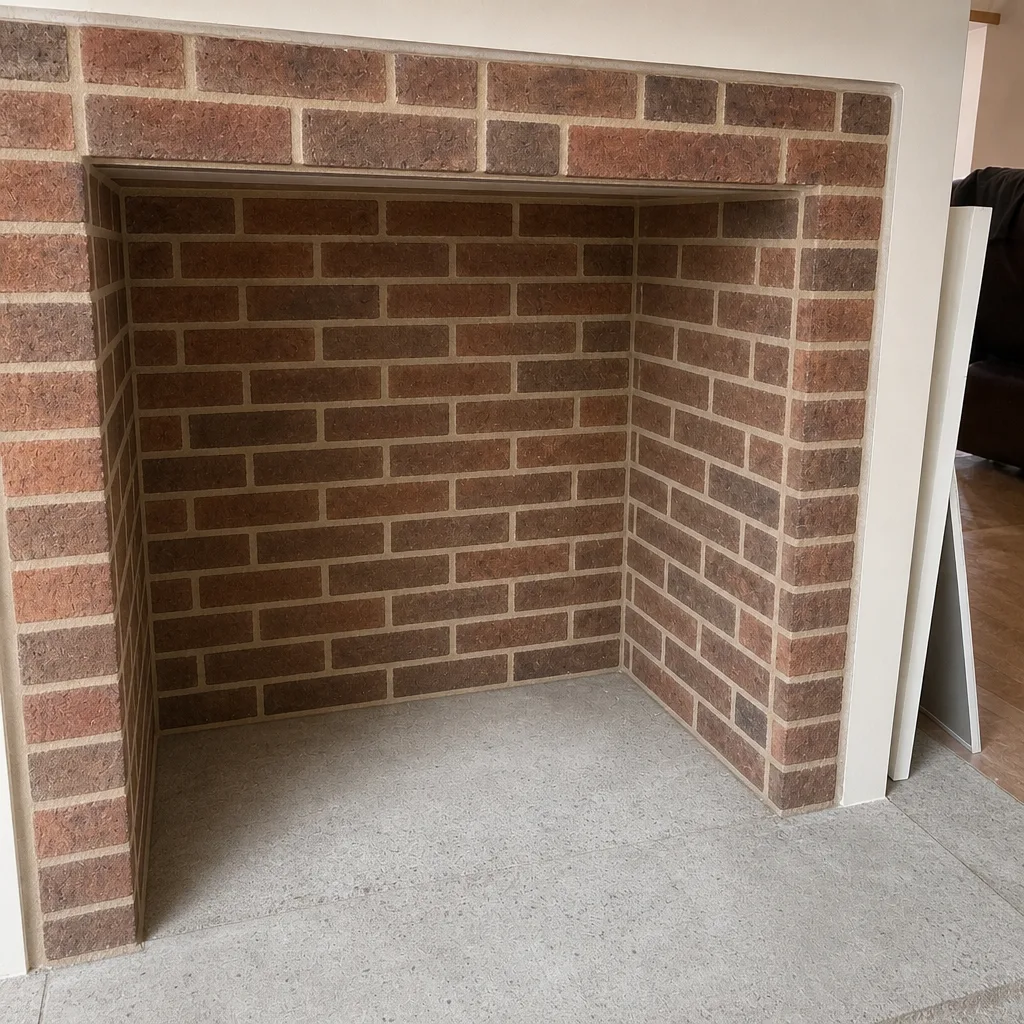
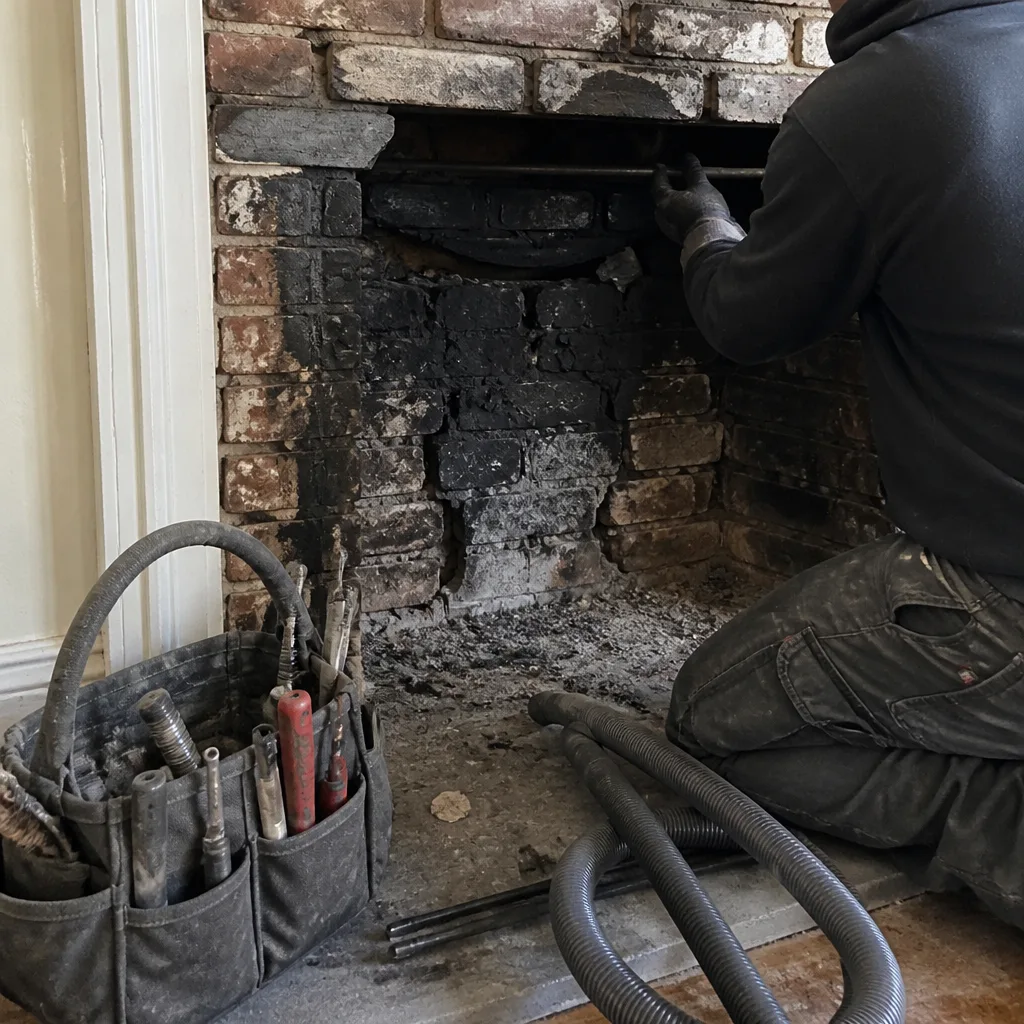
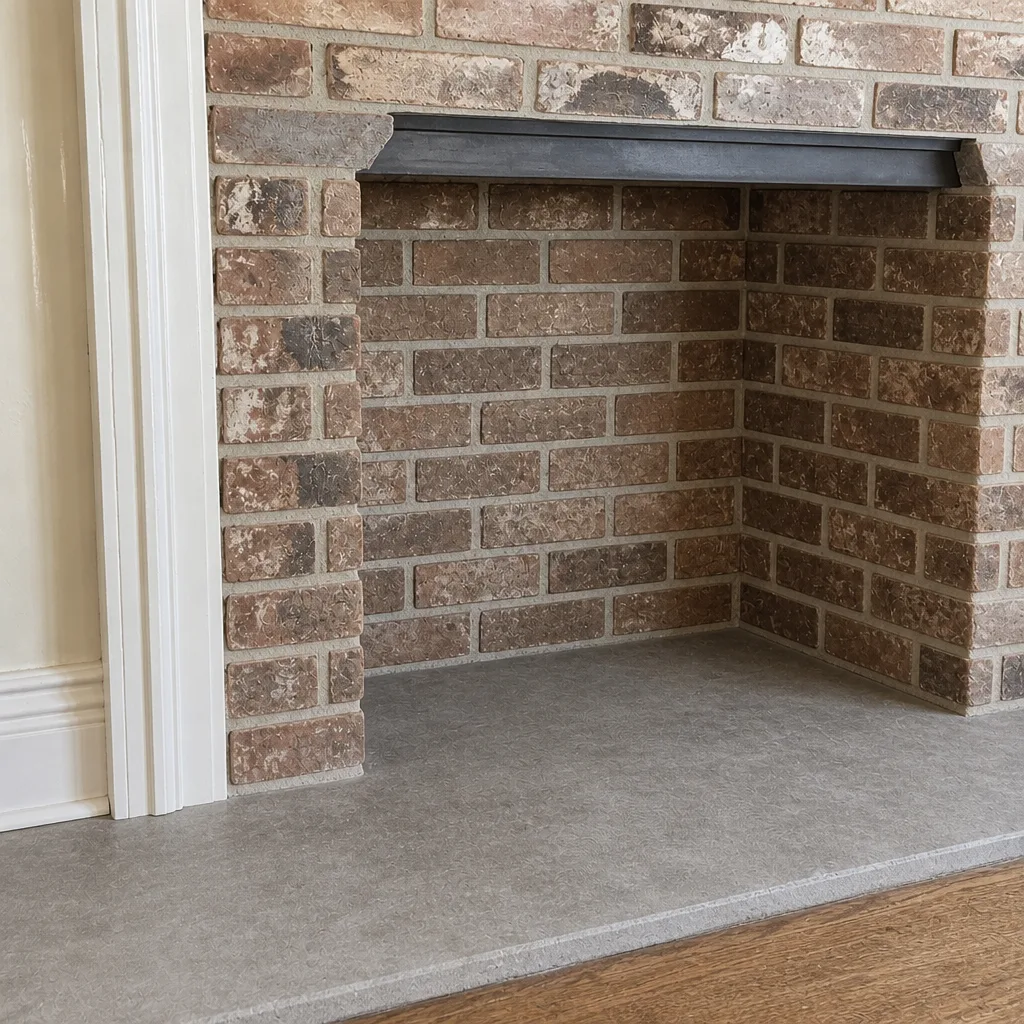
See the difference
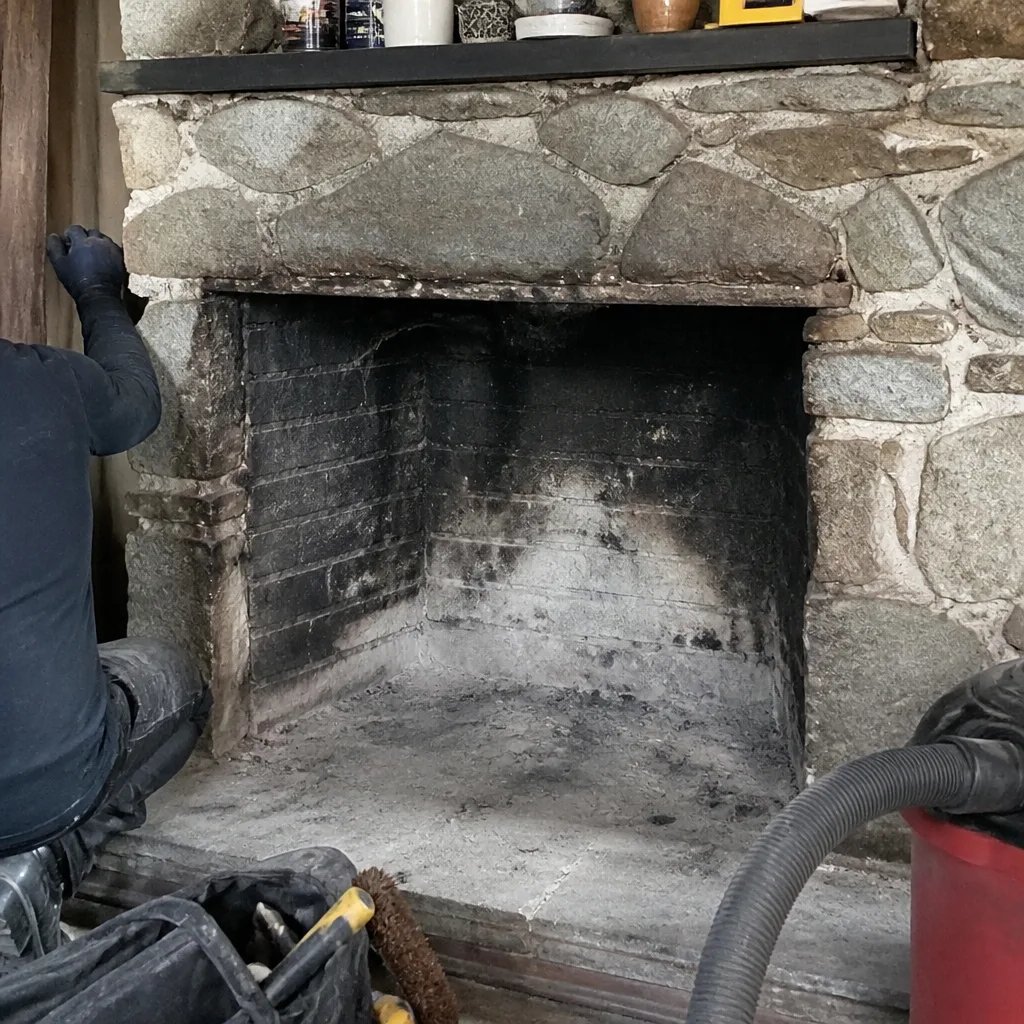 Before
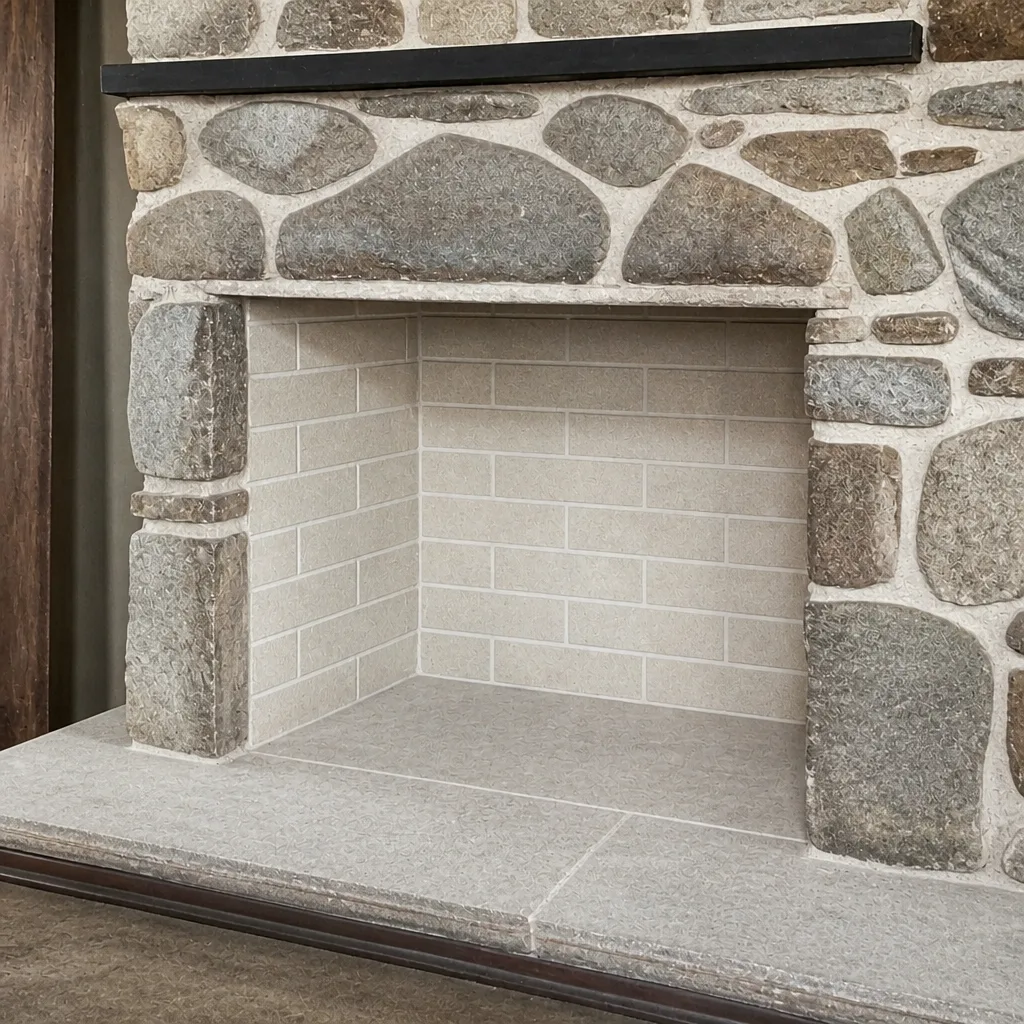 After
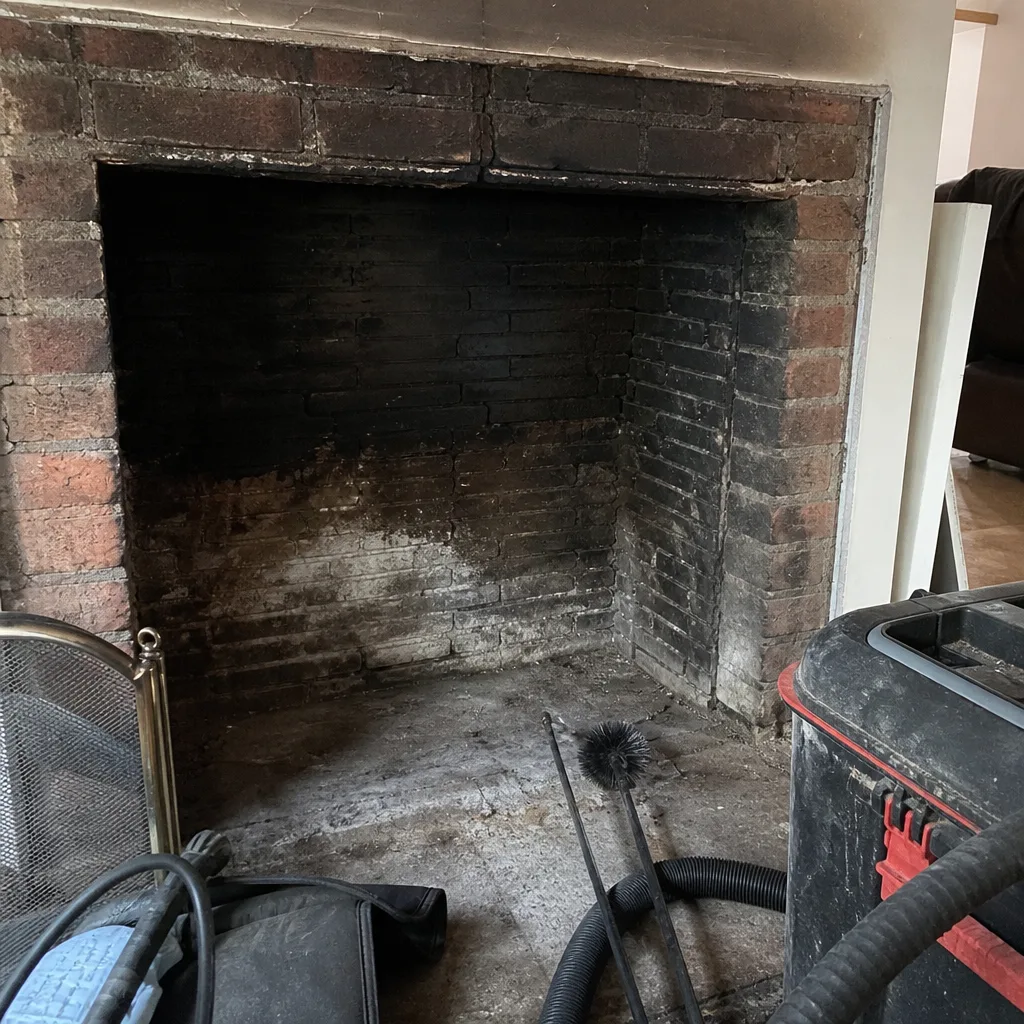 Before
 After
 Before
 After
When to Call a Professional
Call us when you move into a Hell’s Kitchen building where the fireplace’s history is unclear, when you’ve just converted a fireplace from one fuel to another, or when your smoke or carbon monoxide detector has gone off near the hearth. Call when you see cracked brick or mortar in the firebox, a damaged crown or cap, or signs of water inside the chimney. Call before the start of the heating season if the chimney hasn’t been inspected since you took over the property. And call if you’ve had a vague sweep in the past and want a full-system inspection with findings you can see. Chimney Sweep Hell’s Kitchen offers free estimates in Hell’s Kitchen – call (866) 947-8139. We answer 24/7. Fast dispatch from 7am to 7pm, Sunday through Friday.
Frequently Asked Questions
Most chimneys used for wood should be swept and inspected once a year, and gas fireplaces should be inspected annually even though they don’t produce much soot. In dense pre-war Hell’s Kitchen buildings, an annual Level 1 with a Level 2 whenever something changes is a solid rhythm. Call (866) 947-8139 for an exact quote – estimates are free.
A routine sweep is typically a modest flat fee with the inspection, camera scan and photo report included, and repair work is priced per job by written estimate. The written estimate sets the final price, so the phone quote for a sweep isn’t a repair number. Call (866) 947-8139 for an exact quote – estimates are free.
Not always. A deteriorated but structurally sound clay flue is often a candidate for ceramic resurfacing with HeatShield, which restores the flue without the cost of full relining. We only recommend replacement when camera evidence shows the liner can’t be restored. Call (866) 947-8139 and we’ll show you the finding – estimates are free.
The risks are creosote buildup, which can fuel a chimney fire, and a compromised liner or venting that lets carbon monoxide into the home. Both problems tend to develop quietly, especially in layered pre-war Hell’s Kitchen flues. A sweep plus inspection is the way to catch them early – and to know when work can safely wait. Call (866) 947-8139 for an exact quote – estimates are free.
Gas fireplaces produce moisture and acidic condensate rather than heavy soot, and in an oversized flue that condensate can damage the masonry and reactivate old oil and coal deposits. A gas fireplace also needs correct venting so combustion gases leave the home. Annual inspection catches both. Call (866) 947-8139 for an exact quote – estimates are free.
Yes, in many cases. We cover sweep, cap and crown, repair, inspection and fireplace repair as separate services under one trade, so a finding from inspection goes directly to the repair team rather than a separate contractor. Cap, crown, liner, firebox – if it’s part of your chimney, it’s in our scope. Call (866) 947-8139 to book.
The Bottom Line
A Hell’s Kitchen chimney isn’t a soot problem. It’s a layered system with a fuel history, a shared or offset flue, and a crown doing battle with freeze-thaw winters. The right visit inspects all of it, shows you the evidence, and tells you honestly what’s urgent and what can wait. That means a sweep with a real inspection, a Level 2 whenever something changes, and a specialist who can actually perform the repairs a report turns up. If you want that kind of full-system look at your chimney before the season, call (866) 947-8139 for a free estimate. We answer 24/7. Fast dispatch from 7am to 7pm, Sunday through Friday.
Written by the team at Chimney Sweep Hell’s Kitchen.