
Last updated November 25, 2026
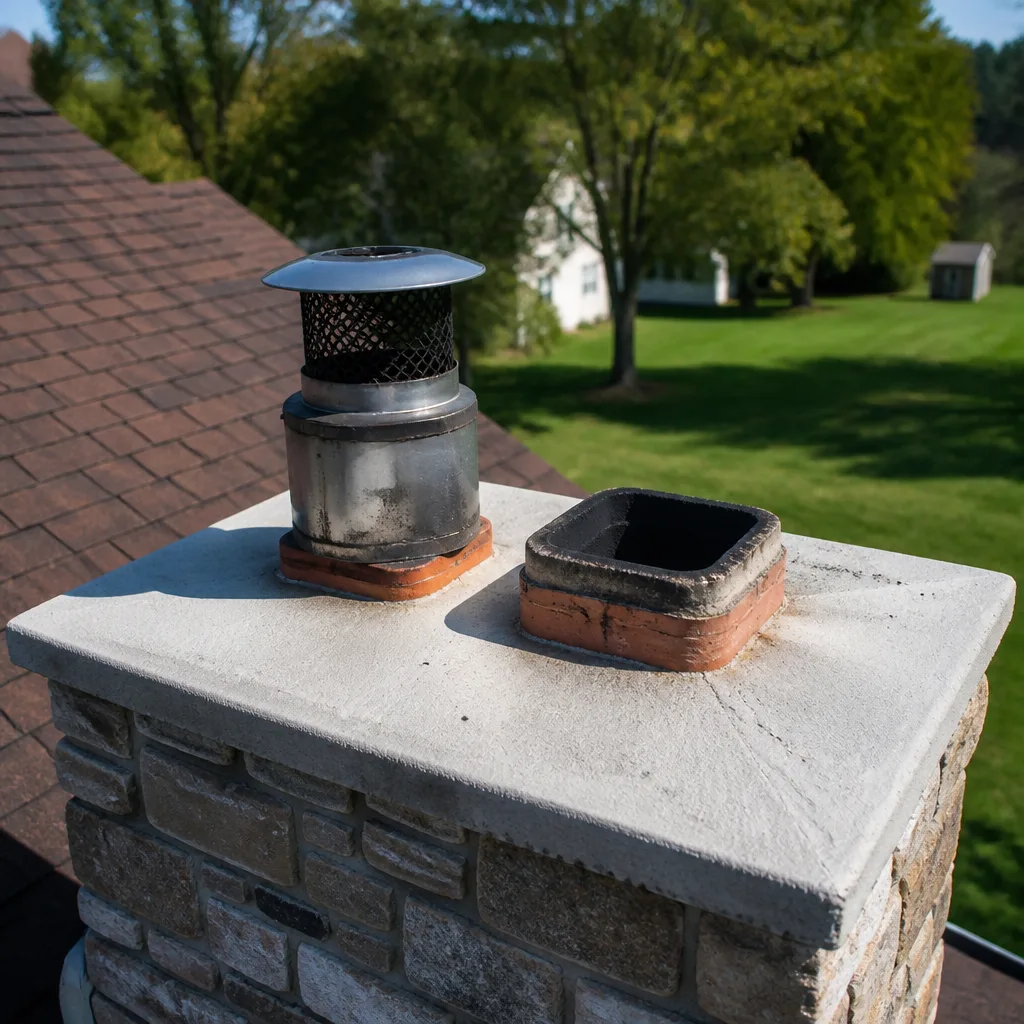 Sweep & inspection
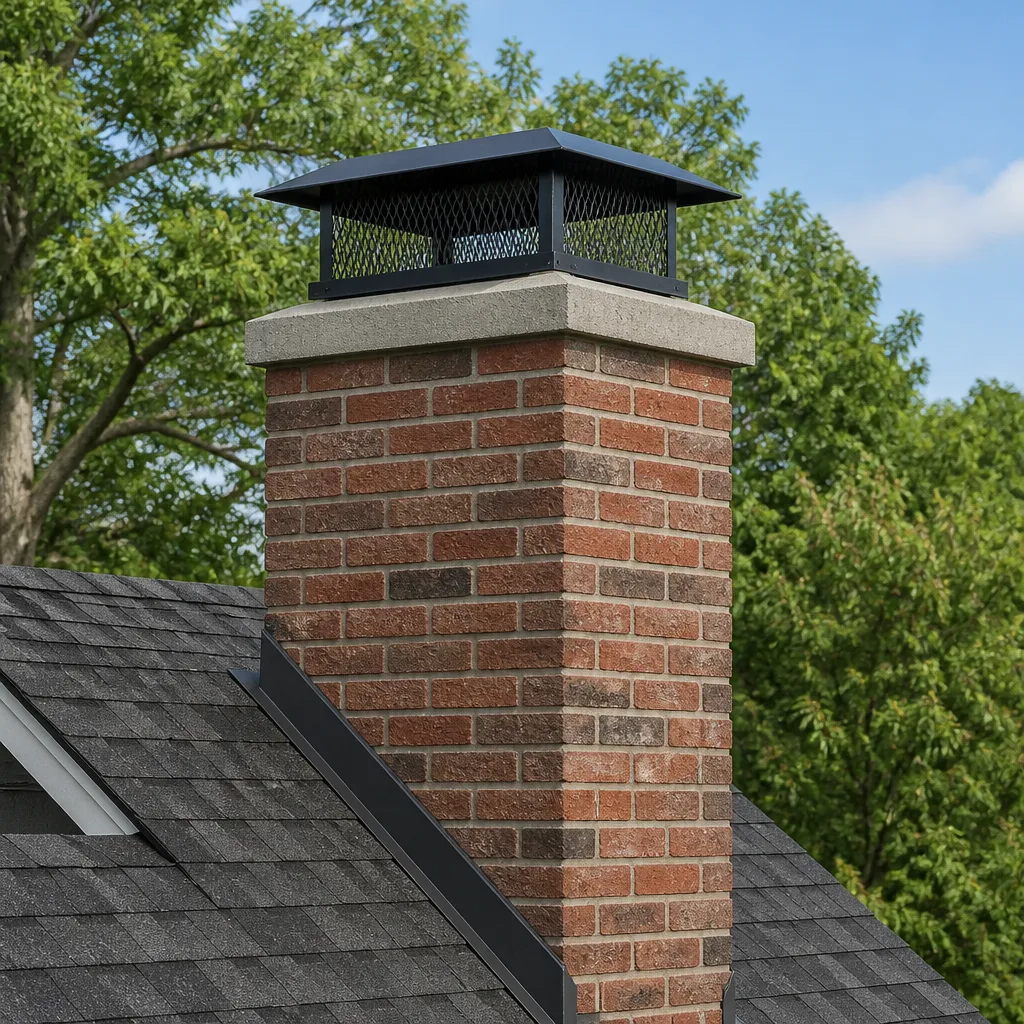 Caps & crowns
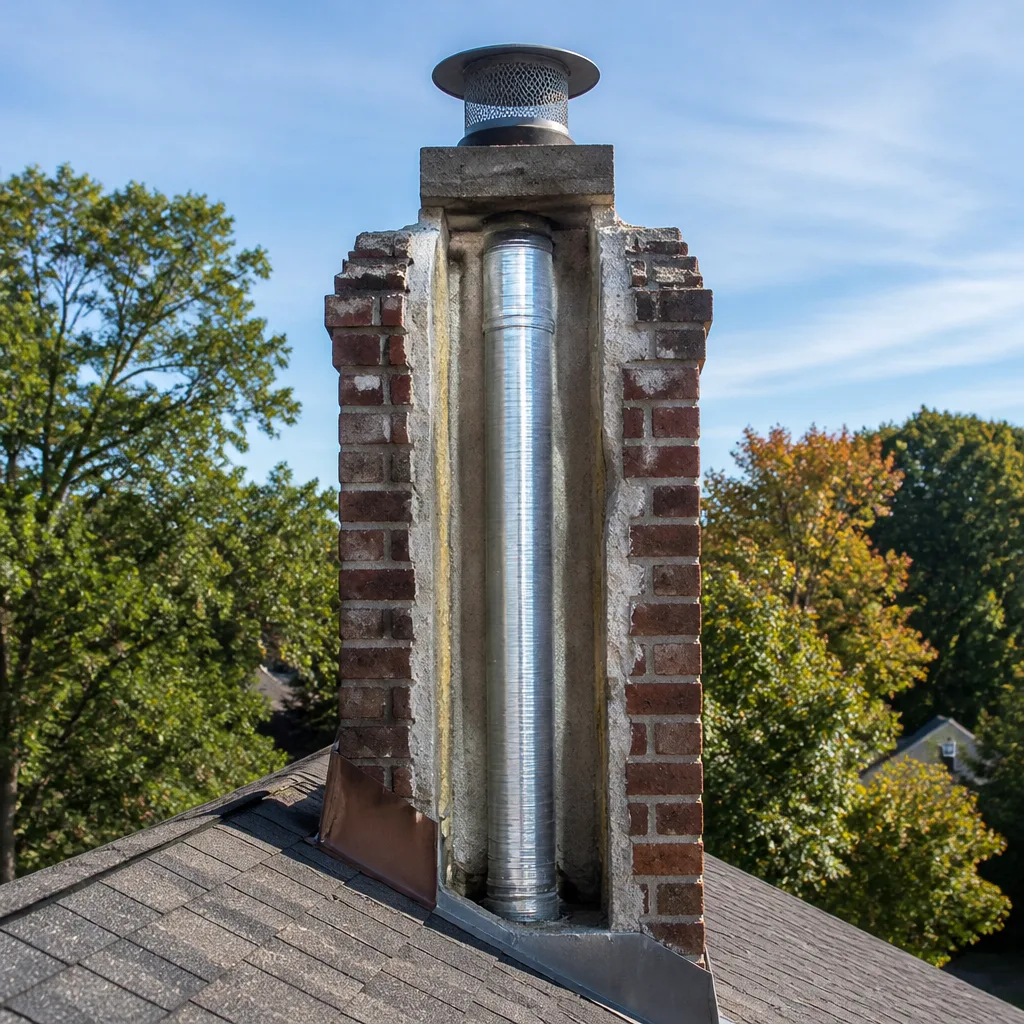 Flue relining
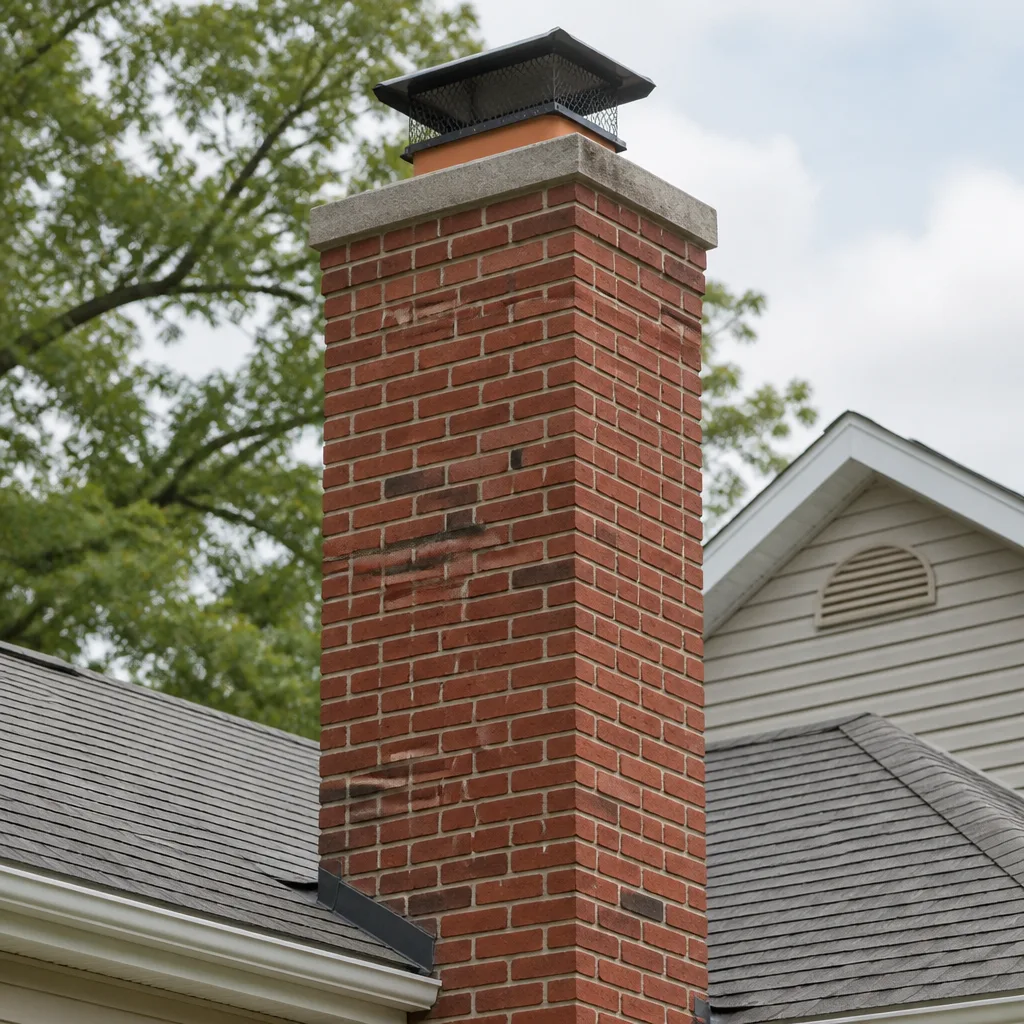 Masonry repair
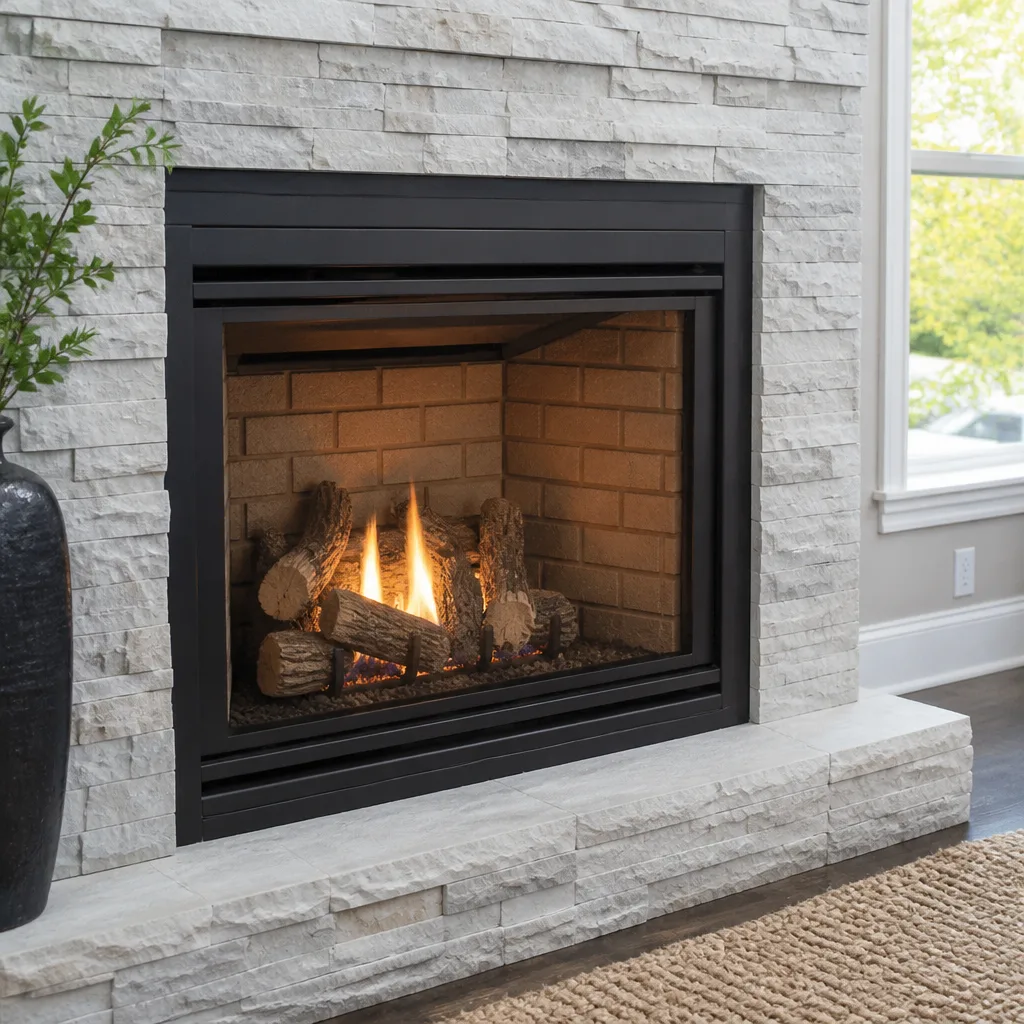 Gas fireplace service
Level 1 sweep and inspection to the NFPA 211 annual standard - flue, crown, cap, and flashing checked and photographed
Chimney sweep logs do not sweep chimneys. They loosen some creosote - which then falls where a brush and vacuum still have to collect it.
Chimney Sweep Maintenance Checklist for Hell’s Kitchen Homeowners
Most homeowners treat a chimney sweep like an oil change: one appointment a year, done, move on. That framing misses the point. Your chimney is a stack of components that fail on completely different timelines. The damper wears out before the crown does. The smoke chamber’s mortar joints go soft years before a liner shows real damage. A once-a-year brush never touches most of it. What actually protects a Hell’s Kitchen home is a component-by-component checklist you run between professional visits, so you catch a small problem while it’s still small. This guide is that checklist, organized by part rather than by season, and written so you know exactly what you can safely check yourself and what needs a camera or a roof.
Quick Answer
A chimney maintenance checklist is a systematic, component-by-component check of your damper, firebox, smoke chamber, smoke shelf, flue, cap, and crown, run periodically between professional sweeps. Hell’s Kitchen homeowners should be able to assess the damper and the firebox joints from inside, but the smoke shelf, flue interior, and exterior crown really need a professional camera and roof access. The point isn’t cleaning; it’s catching deterioration before it becomes a fire or carbon monoxide risk.
Styles & brands we work with
- Sweep & inspection
- Caps & crowns
- Flue relining
- Masonry repair
- Gas fireplace service
Table of Contents
- Why a Checklist Beats a Cleaning Schedule
- What You Can Check Safely From Inside
- What Needs a Camera or Roof Access
- The Smoke Shelf: The Component Everyone Forgets
- Mortar Joint Failure in Pre-War Hell’s Kitchen Buildings
- Reading Your Crown and Cap From Street Level
- Maintenance Intervals by Fuel Type
- How to Keep a Maintenance Log That Actually Helps
Why a Checklist Beats a Cleaning Schedule
A cleaning schedule tells you when to book a sweep. A checklist tells you what’s actually happening inside your chimney, and those are different jobs. Sweeping removes creosote and soot from the flue. It doesn’t tell you whether your damper still seals, whether the firebox mortar is crumbling, or whether the crown has a hairline crack letting water into the masonry every time it rains.
We’ve seen plenty of chimneys that got brushed regularly and still had a cracked crown or a spalling firebox, because nobody was looking at those parts. The sweep was doing what the sweep does. Nobody was running the checklist.
Think of it this way. Your chimney has roughly a dozen components that matter for safety and function:
- Firebox (the refractory-lined box where the fire sits)
- Damper (the plate that opens and closes the flue)
- Smoke shelf (the ledge just above the damper)
- Smoke chamber (the sloped area between the damper and the flue)
- Flue liner (the tile or metal pipe that carries smoke up)
- Crown (the concrete cap at the very top of the masonry)
- Chimney cap (the hood and spark screen over the flue opening)
- Masonry and mortar joints throughout
- Flashing where the chimney meets the roof
Each one fails at a different rate. The damper hinge can stiffen within a few seasons. The crown can crack after a decade of freeze-thaw cycles. The liner can last far longer, but only if water never gets behind it. Running a checklist by component means you catch each part as it starts to go, not after it’s failed. That’s the difference between a maintenance item and a repair.
What You Can Check Safely From Inside
You don’t need tools to check most of what’s visible from the firebox, and you don’t need to climb anything. These are the checks a homeowner can run safely, looking only at what’s visible with a flashlight and no fire in the box.
Damper operation. Open and close the damper. It should move smoothly and seat fully when closed, with no grinding, sticking, or visible gaps. A damper that won’t close tight is letting heated air escape up the flue year-round and letting cold air down when the fireplace is off. If it feels gritty or won’t fully seat, that’s a note for your next sweep.
Firebox joint integrity. Shine a light on the mortar joints between the firebrick. What you’re looking for is missing mortar, cracks wider than a hairline, or brick faces that have flaked or crumbled. Small hairline cracks in the firebox are common and often cosmetic. Missing or receding mortar between firebricks is not, and it means hot gases are reaching the brick behind the joint.
Visible smoke chamber surface. Look up past the damper into the smoke chamber. You should see relatively smooth, sloped surfaces. Rough, corroded, or crumbling surfaces visible from below are worth flagging to a professional, because that’s where a camera inspection earns its keep.
Signs of water inside. Rust on the damper or firebox hardware, white chalky deposits on the brick (efflorescence), or dampness after rain all point to water coming down the flue. That usually traces back to a missing or damaged cap or a cracked crown.
What you should not do from inside is reach up into the smoke chamber, pull on the damper assembly, or try to inspect the flue above the smoke shelf. We’re describing what to look at, not how to take anything apart. Beyond the firebox, you’re in pro territory.
What Needs a Camera or Roof Access
Plenty of a chimney’s condition can’t be seen from the hearth, no matter how good your flashlight is. Two things change that: a camera that can run up the flue, and the ability to get on the roof safely. Both are reasons to bring in a professional.
The flue interior above the smoke shelf. Creosote buildup, cracked flue tiles, gaps between tile sections, and damage from a past chimney fire are all flue-interior problems. None of them are visible from the firebox. A camera inspection shows you the actual condition of the liner, which matters enormously because a damaged liner is the path by which heat reaches combustible framing. This is the check that tells you whether you’re looking at routine cleaning or real repair.
Flashing and the chimney-roof junction. The metal flashing where the chimney passes through the roof is a frequent leak source. Checking it means getting up there, and roof access is dangerous work that belongs with someone trained and equipped for it.
Crown condition up close. You can see a crown from the street. You can’t see the hairline cracks and the separation between crown and flue from down there, and those are the details that matter.
In our experience, the camera is the single most useful diagnostic tool in chimney work. When we run an inspection, the findings come with a camera record you can watch yourself. If a liner needs work, you see the crack. If it doesn’t, you see that too. That’s the part that matters, because the most common worry homeowners bring us is being told they need thousands of dollars of liner work they have no way to check. Nothing should be recommended that you can’t see evidence for.
The Smoke Shelf: The Component Everyone Forgets
The smoke shelf is the horizontal ledge just above your damper, at the base of the smoke chamber. It exists to catch falling soot and to help reverse the flow of smoke so it goes up the flue instead of back into the room. It’s also the component homeowners almost never think to check, and the one a quick brush-and-go sweep can skate right past.
Here’s the problem. That horizontal ledge collects whatever falls down the flue: soot, creosote flakes, bits of mortar, sometimes debris from a nesting animal. Because nothing flows down and out of it, buildup sits there year-round. And a blocked or partially blocked smoke shelf is one of the ways a chimney stops drafting correctly. When draft fails, combustion gases don’t go up the flue. They backdraft into the living space, and those gases include carbon monoxide.
The smoke shelf isn’t something you can check yourself. It sits above the damper, in a part of the chimney you can’t safely reach. But you can watch for the symptoms that suggest it’s a problem:
- Smoke spilling into the room when you light a fire, especially on lighting
- A fireplace that used to draft fine and now smokes intermittently
- Draft that seems to fail when the wind is from a particular direction
- A smokey smell in the room even when no fire is burning
Any of those is a reason to have the chimney inspected rather than just swept. The fix is often simple, but it only happens if someone actually looks at the smoke shelf, and that means the sweep needs to be a full-system inspection, not just a brush run up the flue. It’s a small ledge doing an important job, and it deserves to be on the checklist.
Mortar Joint Failure in Pre-War Hell’s Kitchen Buildings
Hell’s Kitchen is a neighborhood of walk-ups and townhouses, much of it built well before the middle of the last century, and pre-war chimney construction behaves differently from newer work. The mortar in older fireboxes and smoke chambers was often softer than what’s used now, and it weathers at a different rate. That means mortar joint failure in a Hell’s Kitchen chimney often shows up earlier than it would in newer construction, and it shows up where you’d least expect it: in the smoke chamber, not just the firebox.
What mortar failure looks like, when a professional is looking:
- Mortar that recedes between firebricks, leaving the brick edges standing proud
- Gaps where the firebox meets the smoke chamber
- Corroded or rough surfaces in the smoke chamber, where the original mortar has washed or flaked away
- Brick faces flaking or crumbling (spalling), often triggered by water getting in from above
Why does this matter more than a cosmetic crack? Mortar holds the masonry together and seals the joints against hot gases. When it goes, gases and heat find their way into places they shouldn’t be, and water finds its way into masonry that then freezes and expands. In a Hell’s Kitchen building, where chimneys are often shared between units and packed into tight masonry walls, a joint failure in one place can undermine more than one flue.
The good news is that deteriorating flue liners don’t always mean a full reline. HeatShield is a ceramic resurfacing method that restores a deteriorated liner from the inside rather than replacing it, and it’s a real option for liners that are structurally sound enough to take it. Not every liner qualifies. But if a professional has told you the liner is deteriorating and offered only a full relining, it’s worth asking whether resurfacing is on the table. We’re authorized to source and install HeatShield for exactly that reason: it gives homeowners a cost-effective structural repair option that a lot of sweep-only operations can’t offer.
Reading Your Crown and Cap From Street Level
You don’t need to get on the roof to learn a lot about your chimney’s most vulnerable point. The crown and the cap are visible from the street and from a window, and a modest pair of binoculars turns them into readable details. For apartment and townhouse owners in Hell’s Kitchen who can’t easily get to their own roofline, this is a practical standing check you can run a few times a year.
The crown is the concrete slab at the very top of the masonry. It’s designed to shed water away from the flue and the brick below it. A failing crown is the leading cause of water intrusion and structural chimney damage, which is why it’s worth looking at rather than assuming. What to look for from the street:
- A visible crack or split, especially if it runs toward the flue or all the way across the crown.
- Separation where the crown meets the flue, a gap that lets water run down beside the liner instead of off the edge.
- Crumbling or missing chunks of the concrete edge.
- Green or dark staining on the masonry below the crown, suggesting water is running down from above rather than draining off.
- Spalling brick just below the crown, where water has soaked in and freeze-thaw has done its work.
The cap is the hood and spark screen over the flue opening. From below, check that it’s still sitting square over the flue, that the screen isn’t rusted through or missing, and that it isn’t blocked with debris or a bird’s nest. A cap that’s been blown crooked or torn is letting rain straight down the flue, which is exactly the problem the crown is designed to prevent. Cap and crown work is preventive, and it’s the part of the job that generic sweep services tend to ignore or outsource. We treat it as core work for a simple reason: protecting the top of the chimney protects everything underneath it.
Maintenance Intervals by Fuel Type
How often your chimney needs attention depends on what you burn, and the differences are larger than most people realize. A wood-burning fireplace and a sealed gas insert don’t fail the same way or on the same schedule. Here’s how the intervals break down by fuel type.
Wood-burning. This is the highest-maintenance configuration. Wood produces creosote, which accumulates in the flue and is flammable. Frequency depends heavily on how much you burn and how well the fire burns; lots of smoldering, cool fires build creosote faster than hot, dry wood burned with good draft. Many people have the flue checked and swept annually, and more often if they burn heavily. Wood also drives the firebox joint, smoke chamber, and smoke shelf checks, since all three see combustion byproducts.
Gas insert or gas log set. Gas burns cleaner than wood, so creosote isn’t the main issue. What gas produces is moisture and acidic condensation, which attack the flue liner and the masonry from the inside. A sealed gas insert vents differently from an open gas log set, so the check is different. Gas chimneys still need inspection to catch liner deterioration and to confirm the venting is intact; the schedule tends to be a bit more relaxed than wood, but the inspection matters every bit as much.
Decorative, non-venting fireplaces. A non-venting fireplace (also called vent-free) burns gas and sends its combustion products into the room by design. Because there’s no flue carrying exhaust outdoors, the maintenance checklist changes: you’re checking for carbon monoxide risk at the unit itself, not just for liner condition. These units rely on proper sizing and ventilation in the room, and the manufacturer’s instructions are the authority on their service schedule. Don’t treat a non-venting unit like a vented chimney; get it inspected on its own terms.
Oil-flue-share configurations. Some older buildings run an oil-fired appliance and a fireplace or other appliance through a shared flue. This is a configuration where professional inspection matters, because each fuel has different venting requirements and the interaction between them is a code and safety question. Never assume a shared flue is fine because one of the appliances works.
The general rule we’d give a Hell’s Kitchen homeowner: get an annual professional inspection on any chimney you actually use, then adjust the sweep frequency based on fuel type and how much you burn. A working wood fireplace probably needs more attention than a gas insert you light a few times a season, but both need eyes on them every year.
How to Keep a Maintenance Log That Actually Helps
When a homeowner tells a sweep “it smells weird sometimes,” that’s a mood, not a diagnosis. A decent maintenance log turns that into useful information. You don’t need anything fancy; a note on your phone or a page stuck inside a cabinet works fine. The point is to give a technician diagnostic history, so they arrive with a head start.
Here’s what to record, in the order it becomes useful:
- Dates of use and dates of service. When you first noticed something, when you last had the chimney checked, and who did the work.
- What you actually observed. “Smoke puffed into the room for the first minute when lighting, twice in the last month” tells a technician far more than “it smokes.”
- Conditions when the problem happened. Wind direction, whether the fire was just starting or burning hot, whether the damper was fully open, whether other appliances in the building were running.
- Anything coming down the flue. Soot flakes, bits of mortar, water after rain, or evidence of an animal.
- Interior symptoms. Rust on the damper, dampness, or a white chalky residue on the brick.
- Exterior observations from the binocular check. “The crown has a crack running toward the flue” is the sort of note that flags a repair before a leak starts.
- Photos. A cell-phone photo of the firebox taken a few times a year lets you compare mortar joints over time. You’d be surprised what a difference a seasonal photo catches.
When you book a sweep, bring the log. A technician going in with history can focus their camera inspection on what you’ve flagged. That turns a routine visit into a targeted one, and it keeps small issues from waiting a full year before anyone notices. If a homeowner can describe what changed and when, the inspection is sharper. If you can tell us nothing is wrong but “it needs a look,” that’s fine too; we’ll run the full system and show you what we find.
Common Mistakes to Avoid
- Assuming a brushed flue means the chimney is healthy. Sweeping removes creosote, but it doesn’t check the crown, cap, smoke shelf, or firebox joints. A chimney can be swept clean and still be one rainstorm from water damage, so make sure your service includes inspection, not just cleaning.
- Ignoring the crown because “it’s just a little crack.” In Hell’s Kitchen, the crown takes freeze-thaw cycling every winter, and a hairline crack grows once water gets into it. What starts as a cosmetic issue on the concrete becomes masonry damage below it.
- Skipping the smoke shelf. It’s above the damper, out of sight, and the one component a quick sweep can leave untouched. If you have backdraft or smoke smell, ask specifically about the smoke shelf.
- Choosing a sweep that only sweeps. If the company can’t inspect the flue interior with a camera and can’t repair what it finds, you end up hiring a second and third company for the same chimney. Look for one company that handles the sweep, inspection, cap and crown, and repair under one scope.
- Treating a gas or non-venting unit like it doesn’t need inspection. No creosote doesn’t mean no risk. Gas units accumulate acidic condensate, and non-venting fireplaces have carbon monoxide considerations that require their own check.
- Relying on a memory of “it used to work fine.” Chimneys deteriorate slowly, and the change is easy to miss. The maintenance log exists exactly because your recollection of last winter is less reliable than a note and a photo.
- Letting water damage sit because the fire still lights. A fireplace that works is not proof the chimney is sound. Water intrusion behind the masonry is the most common causes of expensive structural repair, and it usually shows no visible sign from the living room.
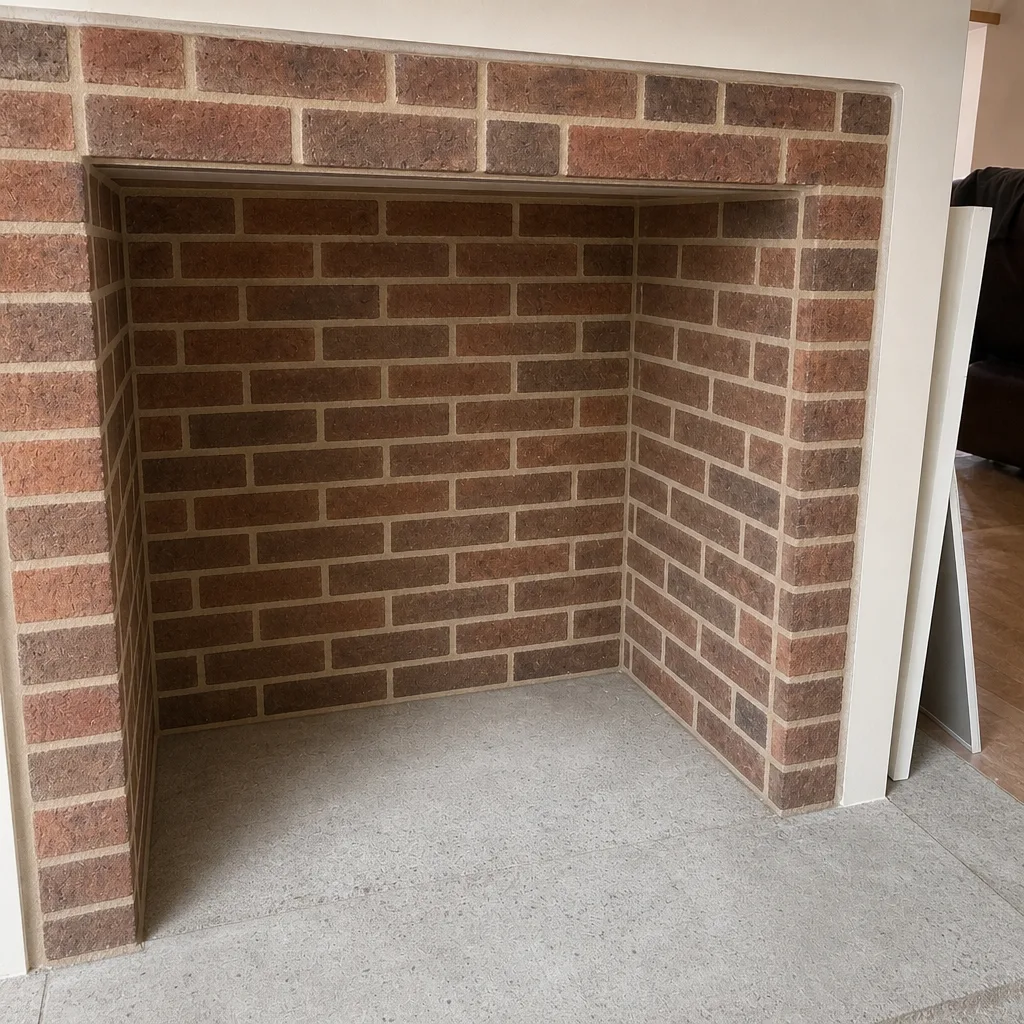
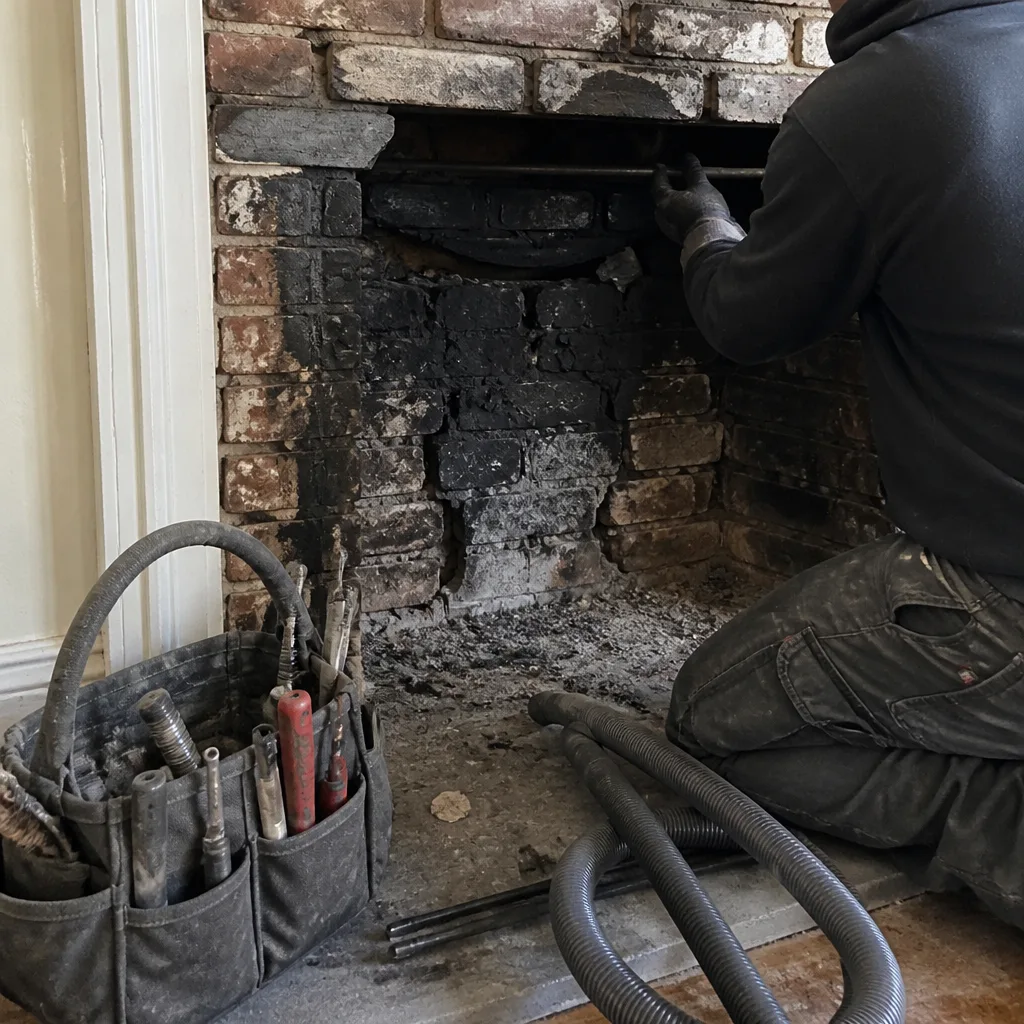
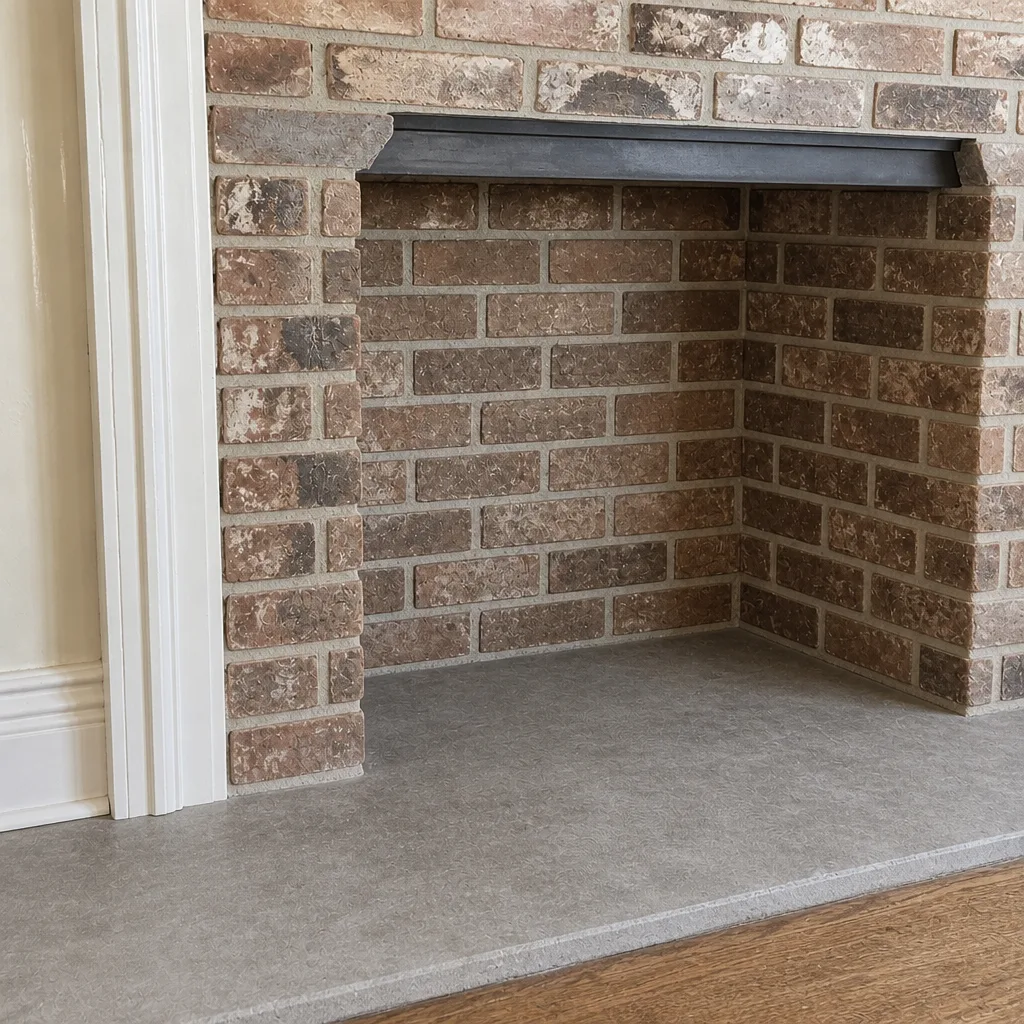
See the difference
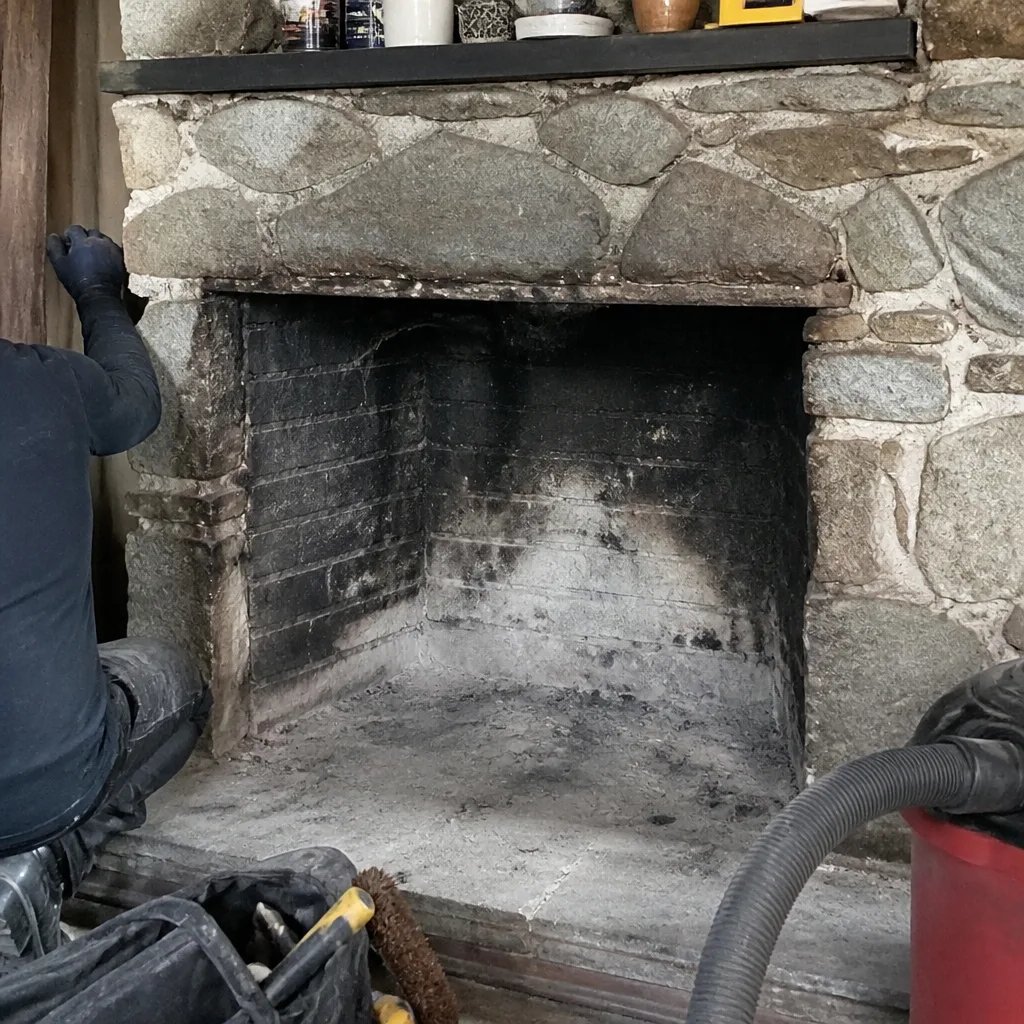 Before
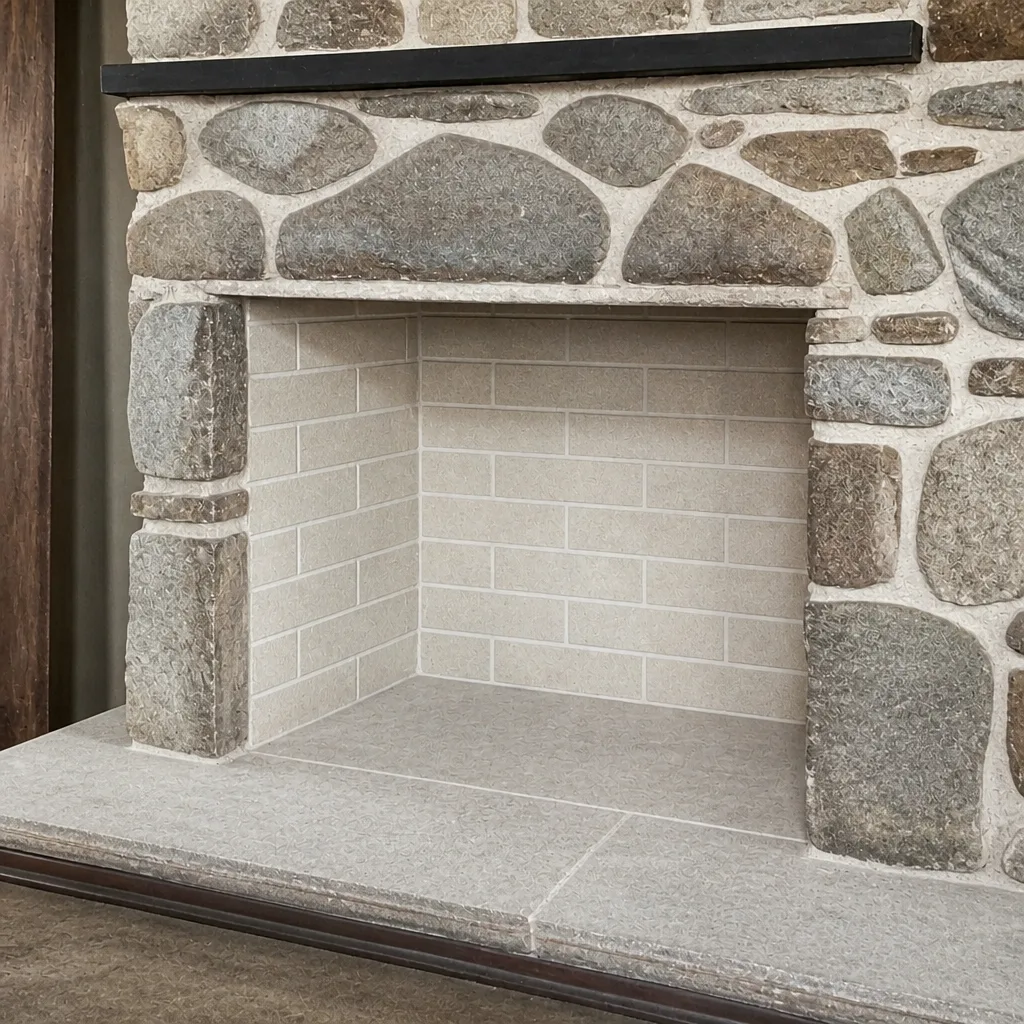 After
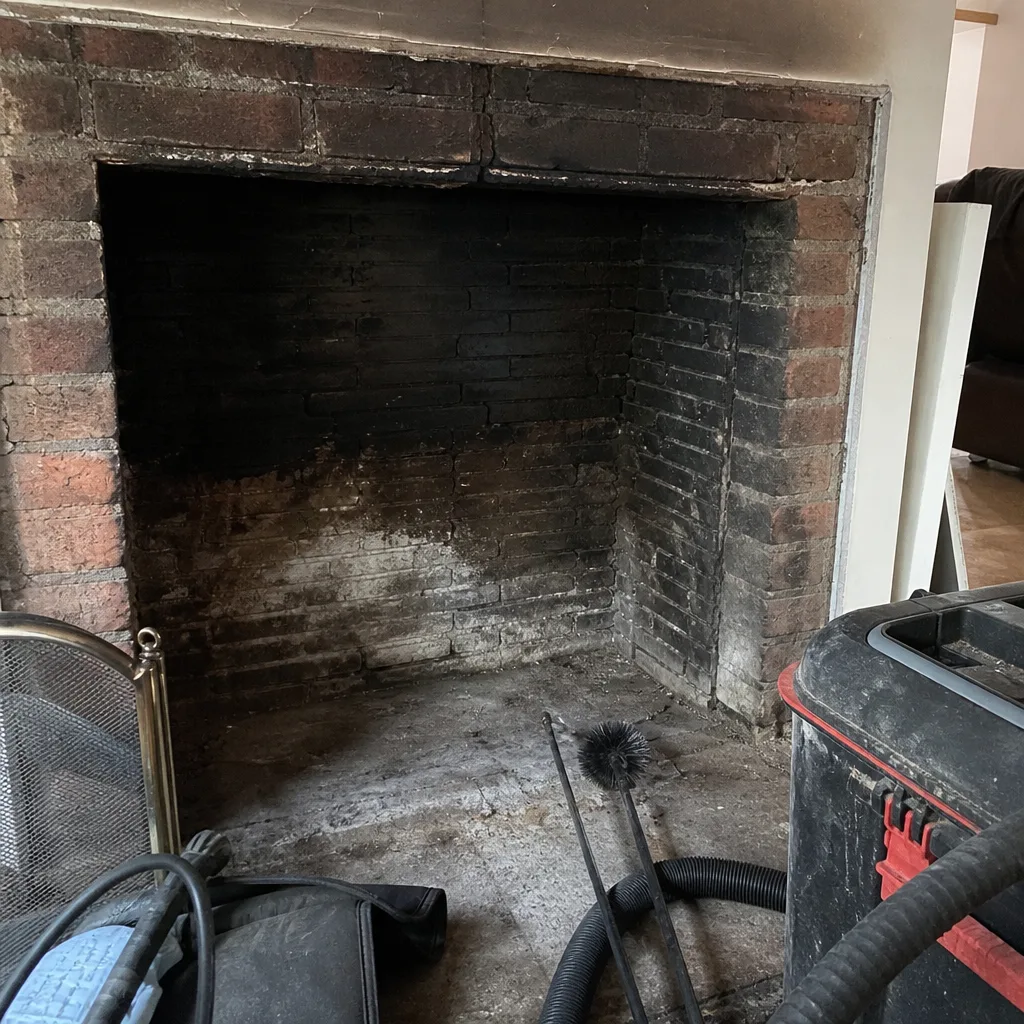 Before
 After
 Before
 After
When to Call a Professional
Some things you check, and some things you call. Call a professional if you see loose mortar or gaps in the firebox joints, a cracked or separated crown, a cap that’s damaged or missing, or any sign of water in the firebox. Call if smoke backs into the room, if you smell a smokey odor with no fire burning, or if a camera has never looked inside your flue. Call before the burning season rather than after the first cold weekend, because that’s when the schedule fills. And call if a previous sweep offered you thousands of dollars of work and couldn’t show you why; a proper inspection gives you evidence you can see.
We’re a full-system shop, so a single call covers the sweep, cap and crown, repair, inspection, and fireplace repair, and the findings go straight to the repair scope without a referral runaround. We work with professional-grade materials from brands like Copperfield and DuraFlex, which matters for chimney components that have to hold up for years, not just pass a quick look. Chimney Sweep Hell’s Kitchen offers free estimates in Hell’s Kitchen. Call (866) 947-8139.
Frequently Asked Questions
Pricing is set per job by a free written estimate, because the cost depends on the system, the fuel type, and what’s found on inspection rather than a flat rate. That’s why we do the estimate first and put the scope and price in writing before any work is booked, so you know what you’re agreeing to. Call (866) 947-8139 for an exact quote. Estimates are free.
Most chimneys that see regular use should be inspected annually, with sweeping frequency set by fuel type and how much you burn; a heavily used wood fireplace needs more attention than a gas insert you light a few times a season. The annual inspection is the constant. Start there and adjust from what it finds.
Not always. A deteriorated liner sometimes can be resurfaced rather than replaced, and HeatShield is the method we use for that: a ceramic resurfacing that restores the liner from the inside without a full relining. Whether it’s an option depends on the liner’s actual condition, which is where the camera inspection comes in. Ask for the evidence and see whether resurfacing fits before you commit to a reline.
Skipping maintenance lets creosote and moisture go unchecked, and it lets small problems (a hairline crown crack, a partial smoke shelf blockage, a soft mortar joint) develop without anyone seeing them. The realistic risks are a chimney fire from creosote buildup and carbon monoxide backing into the living space when draft fails. It’s also how leaks become structural repair, because water damage compounds over seasons. Schedule the annual inspection and you’ll catch issues while they’re still maintenance, not emergencies.
You can safely check a few things: damper operation, visible firebox joints, and the crown and cap from the street with binoculars. Everything above the smoke shelf, the flue interior, and the roof need a camera and roof access, and those are the checks that matter most for fire and carbon monoxide safety. Run the checks you can and book a professional for the rest.
Yes. A shared flue, especially one running an oil-fired appliance alongside another use, has venting requirements that interact, and it’s not a configuration to assess by ear or by habit. It needs a proper inspection that covers both appliances and confirms the liner is sound. Call (866) 947-8139 and describe what’s sharing the flue; that shapes what the inspection should look at.
The Bottom Line
A maintenance checklist is your early warning system, and it works because it’s organized by component rather than by calendar. Check what you can safely see (damper, firebox joints, crown and cap from the street), leave the flue interior and smoke shelf to a professional camera, and log what you observe so the next technician starts informed. Pay special attention to the smoke shelf, mortar joints in an older Hell’s Kitchen building, and the crown, the three places where small failures quietly become big ones. Book the annual inspection, ask for evidence you can see, and don’t let a “little crack” wait through another winter.
Call (866) 947-8139 for a free estimate. We answer 24/7. Fast dispatch from 7am to 7pm, Sunday through Friday.
Written by the team at Chimney Sweep Hell’s Kitchen.