
Last updated November 25, 2026
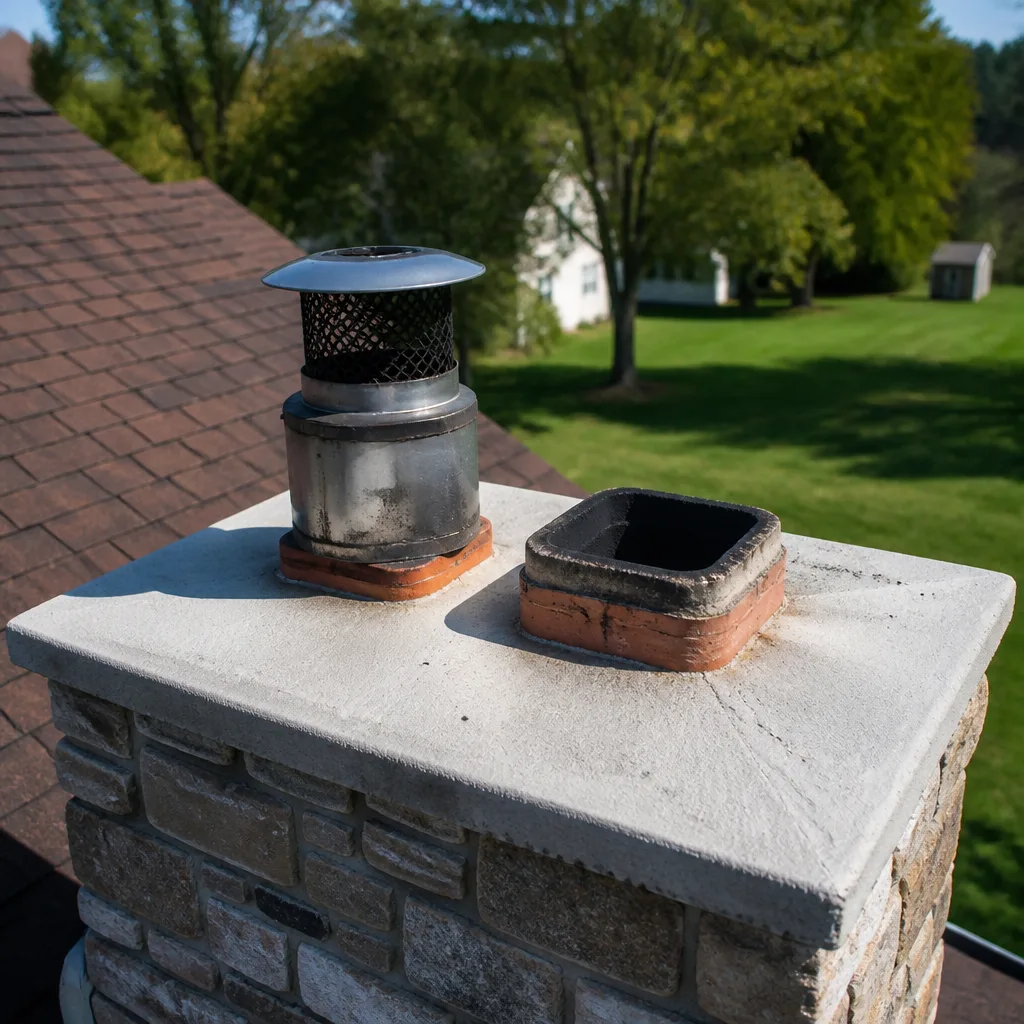 Sweep & inspection
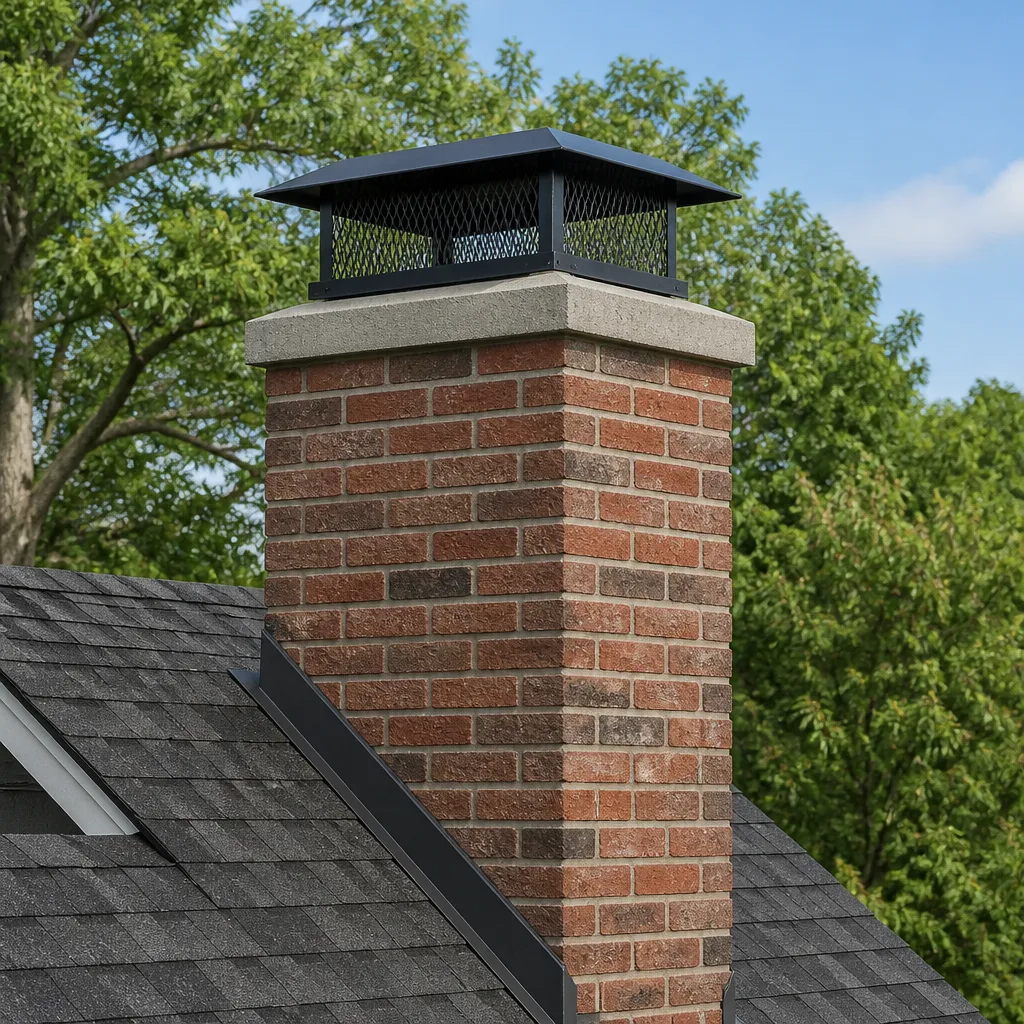 Caps & crowns
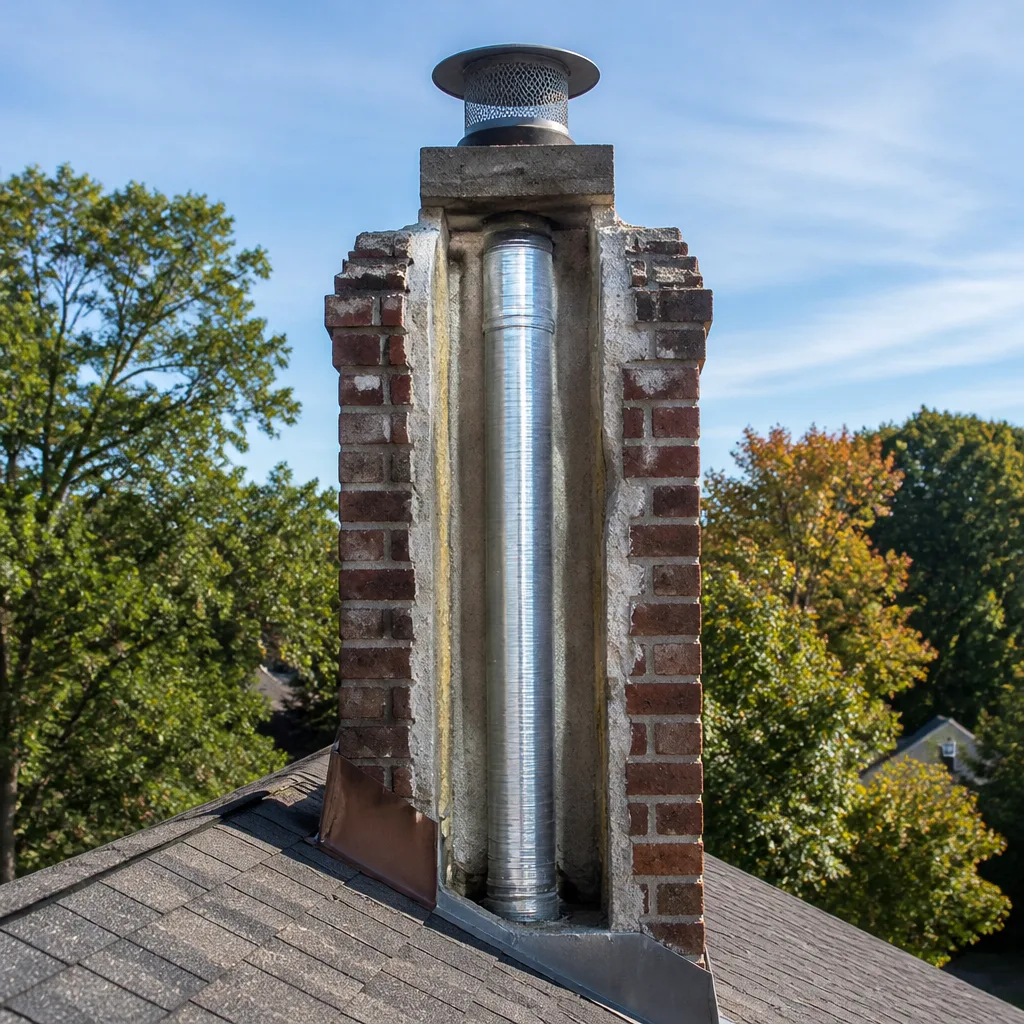 Flue relining
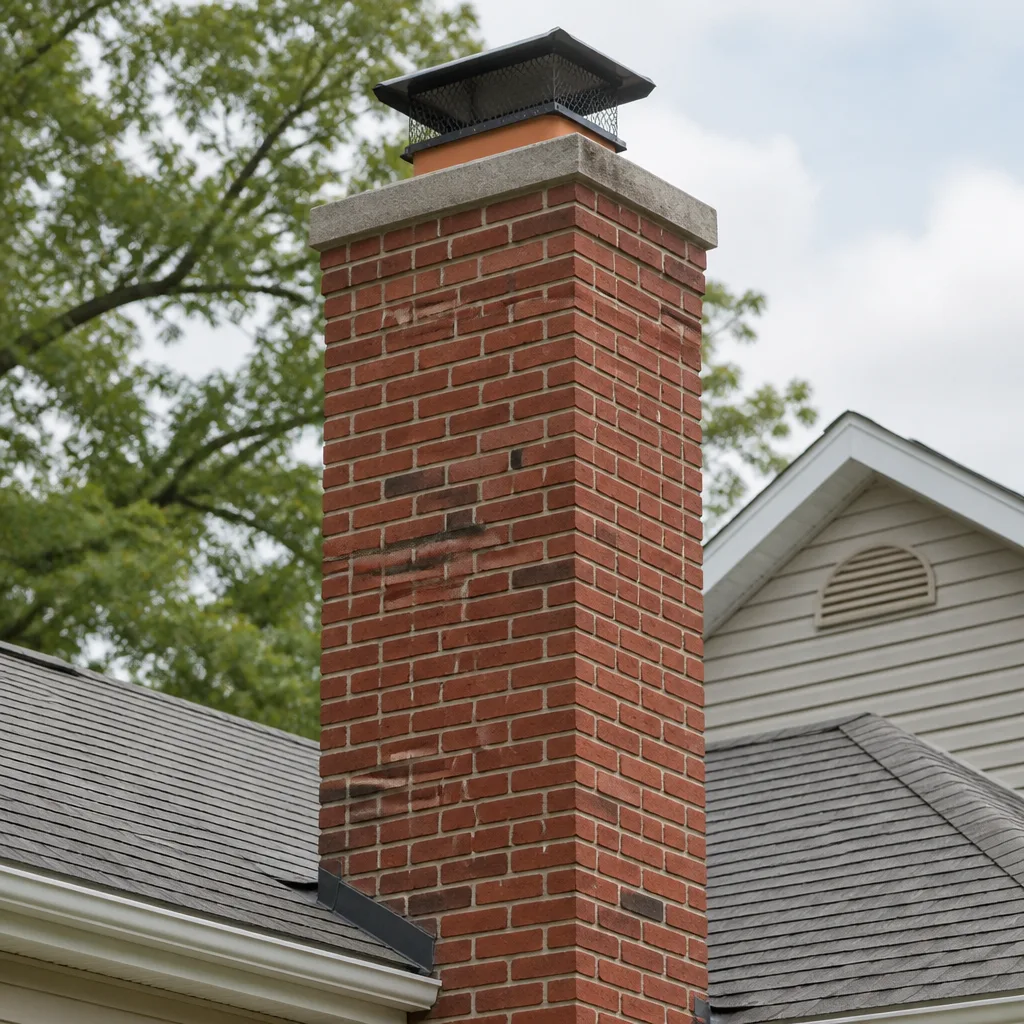 Masonry repair
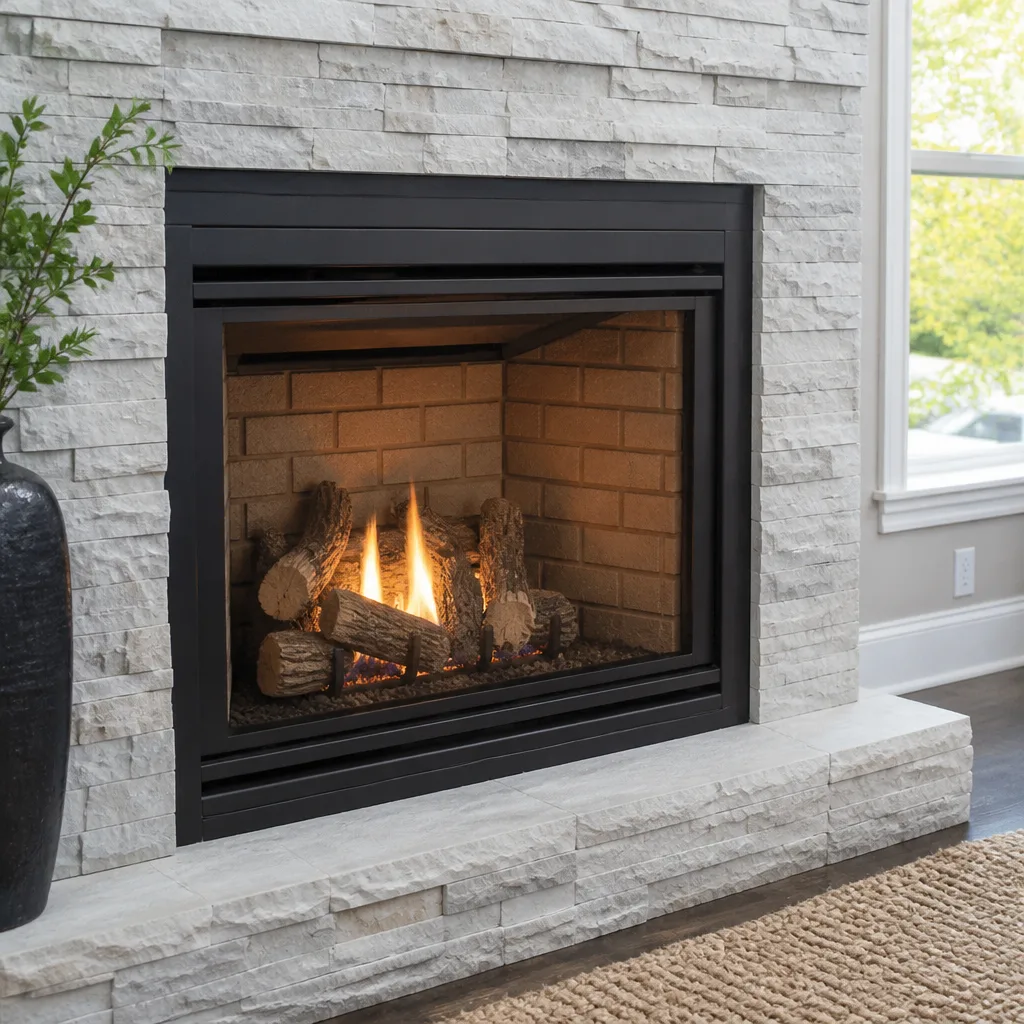 Gas fireplace service
Level 1 sweep and inspection to the NFPA 211 annual standard - flue, crown, cap, and flashing checked and photographed
Chimney sweep logs do not sweep chimneys. They loosen some creosote - which then falls where a brush and vacuum still have to collect it.
How to Hire a Chimney Cleaning Contractor in Hell’s Kitchen: A Step-by-Step Guide
CSIA certification is a good start, and it’s also the easiest box to check. Plenty of certified sweeps have never worked inside an attached pre-war building, never traced a flue that shares a party wall with a neighbor, and wouldn’t know where to start with a DOB filing. Hell’s Kitchen chimneys are not suburban chimneys stacked into a denser grid. They’re part of a building envelope: shared masonry, offset runs, gas vents co-located with wood flues, and access that a ladder-and-truck operation can’t always handle. This guide walks you through how to tell a genuinely competent contractor from one with good marketing, what to ask, and what the right answers sound like.
Quick Answer
To hire a chimney cleaning contractor in Hell’s Kitchen, verify three things before you sign anything: the contractor holds the insurance and licenses New York requires for the scope of work, they perform a camera inspection before quoting any repair, and they give you a written scope that names materials by brand and grade. For structural or liner work in Manhattan, you also want proof they understand DOB permit requirements and urban flue configurations, not just how to run a brush.
Styles & brands we work with
- Sweep & inspection
- Caps & crowns
- Flue relining
- Masonry repair
- Gas fireplace service
Table of Contents
- Why Hell’s Kitchen Chimneys Are a Different Job
- What Licenses and Insurance a Contractor Must Hold
- The Interview Questions That Reveal Real Competence
- Red Flags Specific to NYC Chimney Service
- How to Verify Work History Before You Sign
- What a Legitimate Chimney Contract Should Include
- Why Material Brands Matter More Than You Think
- The Full System, Not Just the Sweep
Why Hell’s Kitchen Chimneys Are a Different Job
A chimney in a brownstone off Ninth Avenue is not the same object as a chimney on a half-acre lot. It sits in a building whose structural behavior is shared. Party walls carry two buildings’ loads. Flues in tenement-era and pre-war walk-ups often run at an angle before they reach the roof, and a brush sent straight down a straight pipe will not clean them properly. Some building stock in Hell’s Kitchen has had its chimney serving more than one appliance across its life: a wood-burning fireplace at one point, a gas insert later, sometimes a boiler vent sharing the same masonry stack.
That matters because cleaning and inspecting those systems correctly requires knowing what you’re looking at. An offset run means the brush has to follow the angle, not fight it. A shared flue means you have to understand which appliance vents into which passage and whether cross-contamination is possible. Co-located gas venting means carbon monoxide risk isn’t theoretical; it’s a routing question. A contractor who’s only ever worked on a standalone suburban flue may pass a brush through and call it done without ever recognizing that the geometry is wrong for the job.
Access is its own problem. Hell’s Kitchen buildings often have roof access through a bulkhead, a hatch, or a shared stair, and roof work can require coordinating with the super or the building’s managing agent. A contractor who hasn’t done that kind of coordination will show up, find they can’t get to the roof, and either cancel or improvise in a way that creates risk. When you’re vetting a contractor here, ask specifically how they plan to access the roof before they arrive. The answer should be unhesitating.
None of this makes Hell’s Kitchen chimneys inherently dangerous or impossible to service. It makes them a job that requires a contractor comfortable working inside a dense, attached, older building stock. That’s the standard to hold them to.
What Licenses and Insurance a Contractor Must Hold
Chimney work in New York City falls under several overlapping sets of requirements depending on scope. Cleaning alone is one thing. Structural work on the chimney, liner installation, and masonry repair are another. Before you book any contractor, ask for:
- General liability insurance. Ask for a certificate of insurance and verify the coverage is current. If they can’t produce one, stop there.
- Workers’ compensation coverage. If a technician is injured on your property and the contractor doesn’t carry workers’ comp, the exposure can land on you. Request a certificate.
- Registration with the appropriate state and city authorities. For any work that touches the building’s structure or its venting systems, ask the contractor to identify the license or registration that applies to that scope. For Manhattan jobs, that includes knowing when a DOB filing is required for liner or structural work.
- Written confirmation they will pull permits when required. Ask directly: “Will this scope of work require a permit, and will you pull it?” If the answer is vague or “we don’t bother with permits,” that’s a hard stop.
Nationwide, the chimney trade’s most common professional credential is CSIA certification, and it’s worth confirming. It tests technical knowledge, not New York-specific code. So don’t treat it as the finish line. It’s one signal alongside insurance, permit literacy, and demonstrated familiarity with urban building stock. A contractor who holds certification but can’t explain how they’d file for a liner replacement on a Hell’s Kitchen brownstone is not the contractor you want on your building.
Ask also whether the contractor carries a surety bond. Bonding isn’t universal in every jurisdiction, but for any job above basic sweeping, it’s a legitimate question. Contractors who take their paperwork seriously will have answers ready.
The Interview Questions That Reveal Real Competence
You don’t need to become a chimney expert to vet one. You need four or five questions whose answers separate a contractor who works in Hell’s Kitchen regularly from one who mostly does outer-borough or suburban work with an occasional city job. Number them and ask in this order.
- “How do you handle a flue that shares a party wall with the building next door?” The right answer involves understanding that flues in attached buildings can be interleaved and that the neighboring structure affects what you can safely clean, inspect, or repair. The wrong answer is silence or a change of subject.
- “What’s your approach to an offset flue?” You want to hear that they’d first run a camera to see the geometry, then use a brush and rods that can follow the run. If they tell you every flue is straight, they don’t work in Hell’s Kitchen brownstones enough.
- “How do you handle a wood flue sharing a masonry stack with a gas appliance?” They should be able to explain that separate passageways matter, that carbon monoxide risk depends on correct venting, and that they’d inspect both before doing anything to either.
- “What does ‘Class A’ mean for a liner installation, and who signs off on it?” The answer should reference the rating of the liner, the appliance it serves, and the documentation and inspection required for the installation to be signed off.
- “Will you camera-inspect before quoting, and will I get the photographs?” They should say yes without hedging. If they quote a repair based on a peek from the firebox, that’s not a diagnosis.
Then ask: “Tell me about a recent Hell’s Kitchen job where the flue configuration was unusual.” You’re not testing for names. You’re listening for whether the vocabulary is native. A contractor who works these buildings talks about tenement flues, party walls, gas venting, and roof access like everyday conditions. One who mostly does detached homes will describe a generic sweep and hope you don’t notice.
Red Flags Specific to NYC Chimney Service
Chimney service is one of the few trades where a homeowner is genuinely dependent on the contractor’s description of what’s up the flue. That asymmetry invites bad behavior. These are the specific warning signs that should end the conversation in Hell’s Kitchen and anywhere else.
- A quote without a camera inspection. A repair estimate given from the firebox, without a camera run down the flue and photos of the interior, is a guess dressed up as a diagnosis. Structural repair around a shared flue is too expensive to guess at.
- No written scope of work. Any contractor who resists putting the work in writing, itemized, is arranging things so you can’t verify later what was promised. For liner work especially, the scope must specify what’s being installed and where.
- Cash-only pricing. Cash is fine for a sweep. Cash-only for a $3,000-plus liner job is a sign no paperwork trail exists – meaning no warranty you can enforce and no permit pulled.
- Refusal to provide a post-service report. Every legitimate contractor working on a building’s venting should be able to document what they found, what they cleaned, and what they recommend, with images. If they leave without a report, the building’s condition is unrecorded.
- No identification of the company. A truck with no name on it, no business card, no insurance certificate on request. In Hell’s Kitchen brownstones you’re often letting someone into a shared building and onto a shared roof. That requires identifying the contractor before they show up.
- “You need a new liner” before anything else. Sometimes the liner needs replacing. But HeatShield-type ceramic resurfacing exists specifically to restore a deteriorating flue without full relining in the right circumstances. A contractor whose answer is always “new liner” may just not have the resurfacing capability.
- No explanation of what they’ll do to protect your building. Sweeping a Hell’s Kitchen apartment without sealing off the firebox, laying drop cloths, and coordinating with the super for access is a mess waiting to happen. Ask about protection before you book.
How to Verify Work History Before You Sign
New York City keeps an online record of building permits and filings. Before you sign anything on a liner or structural job, you can check whether a contractor has a track record of pulling and closing permits appropriately. This is public information and you should use it.
- Ask for the contractor’s business name and DOB-identifying details. A contractor you’re considering should be able to give you the exact legal business name used on filings.
- Look up recent filings under that name. The DOB’s online building information system lets you search by address or by business name. You’re looking for permits pulled for chimney, liner, or venting work at other Manhattan addresses.
- Check whether permits were properly signed off. A permit that was filed and closed cleanly tells you the contractor works within the system. A contractor whose name doesn’t appear at all suggests they either don’t file or work in a jurisdiction where they can avoid it.
- Confirm the address you’re hiring them for hasn’t had previous violations on the chimney or venting. If the building has a prior open violation, you want to know before the contractor arrives so it can be addressed as part of the scope.
- Cross-reference the scope they’ve quoted you against what they’ve recently filed. If they quote a full liner replacement but their filing history shows no liner work, that’s real information.
Then ask the contractor directly: “Give me the permit numbers for two recent Manhattan liner installations you’ve completed.” A contractor who can answer without hesitation and can produce documentation of completed work is what you’re looking for. One who changes the subject is telling you something.
This step takes maybe twenty minutes. The cost of skipping it is much higher, particularly when a party wall and roof structure are part of the scope of work.
What a Legitimate Chimney Contract Should Include
The contract is where you make a contractor accountable. Everything you discussed verbally has to be in writing before any work begins. A properly drafted chimney contract for Hell’s Kitchen work should include the following elements.
- Clear scope of work. Not “sweep chimney.” Instead: “Sweep masonry flue serving rear fireplace, camera inspect, remove debris, document findings.” Liner work should name the liner system and the grade.
- Materials specified by brand and grade. For any liner or structural work, the contract should identify the specific product. A respected professional will name the brand they’re installing: DuraFlex, Olympia Chimney, or similar trade brands – along with the specific liner grade. If the contract just says “liner installation,” ask them to specify.
- Warranty terms. The manufacturer warranty runs on the liner system and depends on proper installation. The contractor warranty covers their work. Ask for both in writing. How long, what’s covered, what voids it.
- Post-service inspection documentation. Camera photos before and after, and a written report. This should be a stated deliverable, not a favor.
- Payment terms and schedule. Deposits on large material orders are standard. A payment in full before work begins is not. Ask what the payment schedule is and whether the contractor will hold final payment until inspection documentation is delivered.
- Permit responsibility. The contract should state who is pulling any required permits and that the permit will be closed before final payment.
- Insurance and license confirmation. Attach the certificate of insurance to the contract. If a company won’t attach one, that’s the answer.
Get it in writing, read it, and don’t be afraid to ask for clarification. A contractor who resists putting these items in writing isn’t structured for the kind of work you’re paying for. A contractor who produces a clean written scope with specific materials and a documented inspection process is telling you they do this kind of job routinely.
Why Material Brands Matter More Than You Think
The chimney materials market is polarized. There are inexpensive generic liners and crowns, and there are professional-grade trade brands used by contractors who install to spec and expect their work to last. The difference in cost between good and marginal material is smaller than most homeowners assume. The difference in performance isn’t.
In Hell’s Kitchen, that matters because the structural environment is demanding. A crown on a Hell’s Kitchen chimney has to withstand the freeze-thaw cycling and occasional ice damming that come with a Manhattan winter on an exposed roof, and has to seal against water intrusion into the masonry below. Cap and crown work is not cosmetic; a failing crown is one of the most common causes of water damage working its way down through the building. When a contractor names their material brands on the contract, you have a way to verify what’s going in and a hook for the manufacturer warranty. We work with professional-grade brands including DuraFlex, Olympia Chimney, and Copperfield specifically because that’s what the installations in these buildings need to be reliable. If a contractor can’t tell you the brand they’re installing, they’re likely using whatever’s cheapest that week.
One brand is worth knowing by name because it changes the recommendation: HeatShield. It’s a ceramic flue resurfacing system used to restore a deteriorating flue lining without pulling and replacing the entire liner. On the right flue in the right condition, it saves the structural scope of a full reline. Not every contractor offers it. Not every liner needs it. But when a contractor tells you “you need a full reline,” asking whether a resurfacing method is applicable to your flue is the right question. If they don’t offer it, they may not be able to perform it, which means their recommendation isn’t fully informed.
The Full System, Not Just the Sweep
Sweeping is the entry point. The system is the responsibility. That means the sweep, the cap and crown, the liner, the firebox, and the structural masonry are all part of one system, and they fail in ways that interconnect. A crown that lets water in damages the masonry below. A liner with a gap lets creosote contact the structure. A cap that comes loose lets animals and rain into the flue.
When you’re hiring a contractor, ask whether they can handle the whole system or whether you’ll need to hire a separate mason for repair work, a separate roofer for the cap, and a fireplace specialist for the firebox. In Hell’s Kitchen, handing off between trades across a shared roof and a party wall is expensive and slow. A contractor who can diagnose the full system and complete the work under one scope – Chimney Sweep Hell’s Kitchen covers sweep, cap & crown, repair, inspection, and fireplace repair – eliminates the coordination problem. When your inspection findings go straight to the repair team, there’s no interpretation gap between the person who found the problem and the person fixing it.
That single-scope advantage matters most on the pieces most contractors outsource. A chimney cap & crown is often tacked on as an afterthought or sent to a roofer. It’s actually the point of the chimney most exposed to weather and most responsible for water damage. A chimney repair scope that touches the crown, the masonry, and the liner is best handled by one trade specialist, not three. And a chimney sweep that includes camera inspection, photos, and a report is worth more than one that doesn’t. Our technicians have up to 14 years of experience working these kinds of systems. Call us when you want the full system looked at.
Common Mistakes to Avoid
- Skipping the DOB permit verification. A contractor can talk a good game about work history, but the DOB’s online records tell you what they’ve actually filed and closed. Skipping this step in Hell’s Kitchen, where party walls make unpermitted structural work a real liability, is the mistake most homeowners regret.
- Booking based on a phone quote. Chimney issues are almost entirely invisible from the firebox. Any quote given without a camera run and photos is a placeholder. Insist on inspection before pricing.
- Assuming a CSIA card means NYC competence. Certification is a national baseline. It doesn’t tell you whether the contractor knows a party-wall flue from an offset run. Use it as one signal, not the whole story.
- Accepting “you need a new liner” without asking about resurfacing. Full relining is sometimes right. But a HeatShield-type ceramic resurfacing may be applicable, and a contractor who doesn’t offer it may not be able to give you the full range of options.
- Ignoring the crown because “the flue looked fine.” Water intrusion from a failing crown often happens before the flue shows obvious problems. In a Hell’s Kitchen brownstone, that intrusion can damage the interior walls of the building below. Have the crown inspected and repaired alongside the sweep.
- Hiring a contractor who won’t name their material brands in writing. If the contract just says “liner,” you have no way to verify what’s being installed or whether the manufacturer warranty will apply. Specify the brand and grade before signing.
- Letting a contractor swab the flue without a post-service report. Without a written report and photos, you’re left with a verbal account of the building’s condition. That’s not something you can hand to a future contractor or use for an insurance claim.
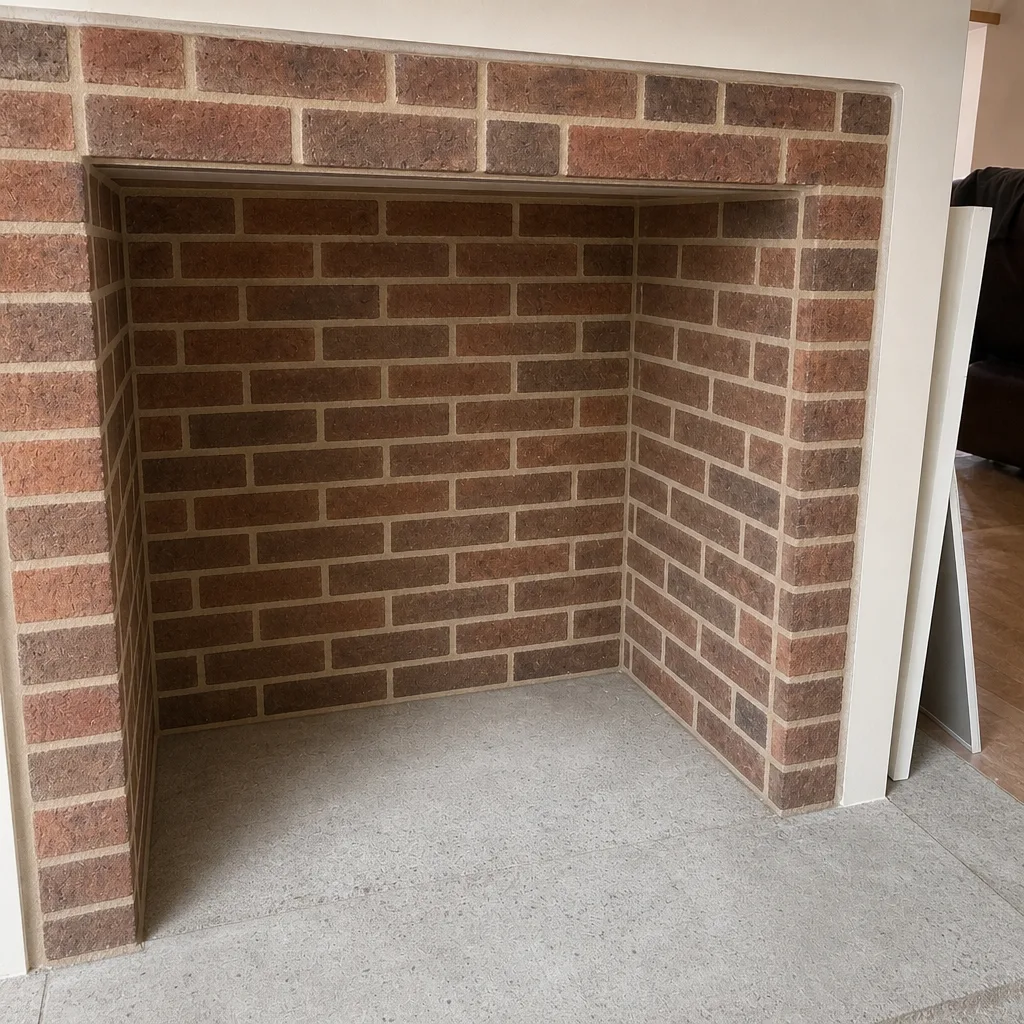
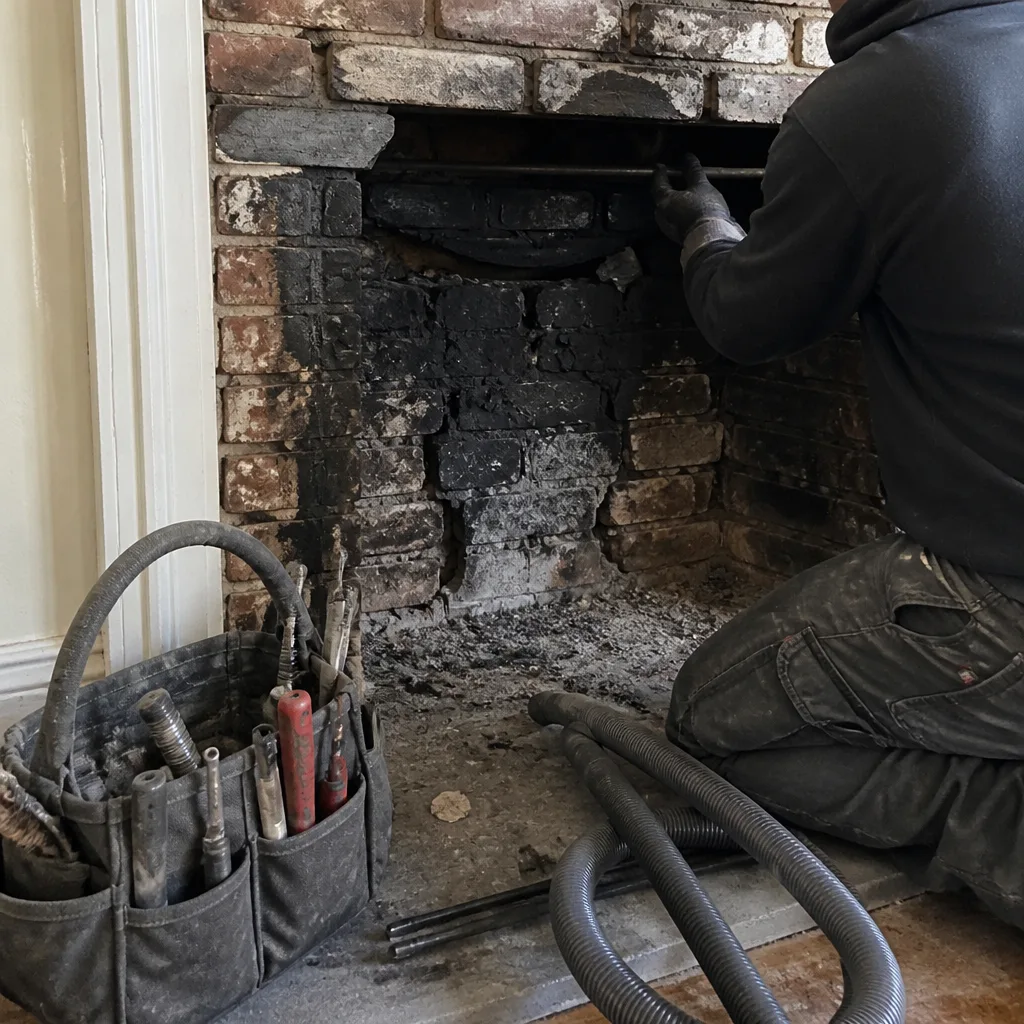
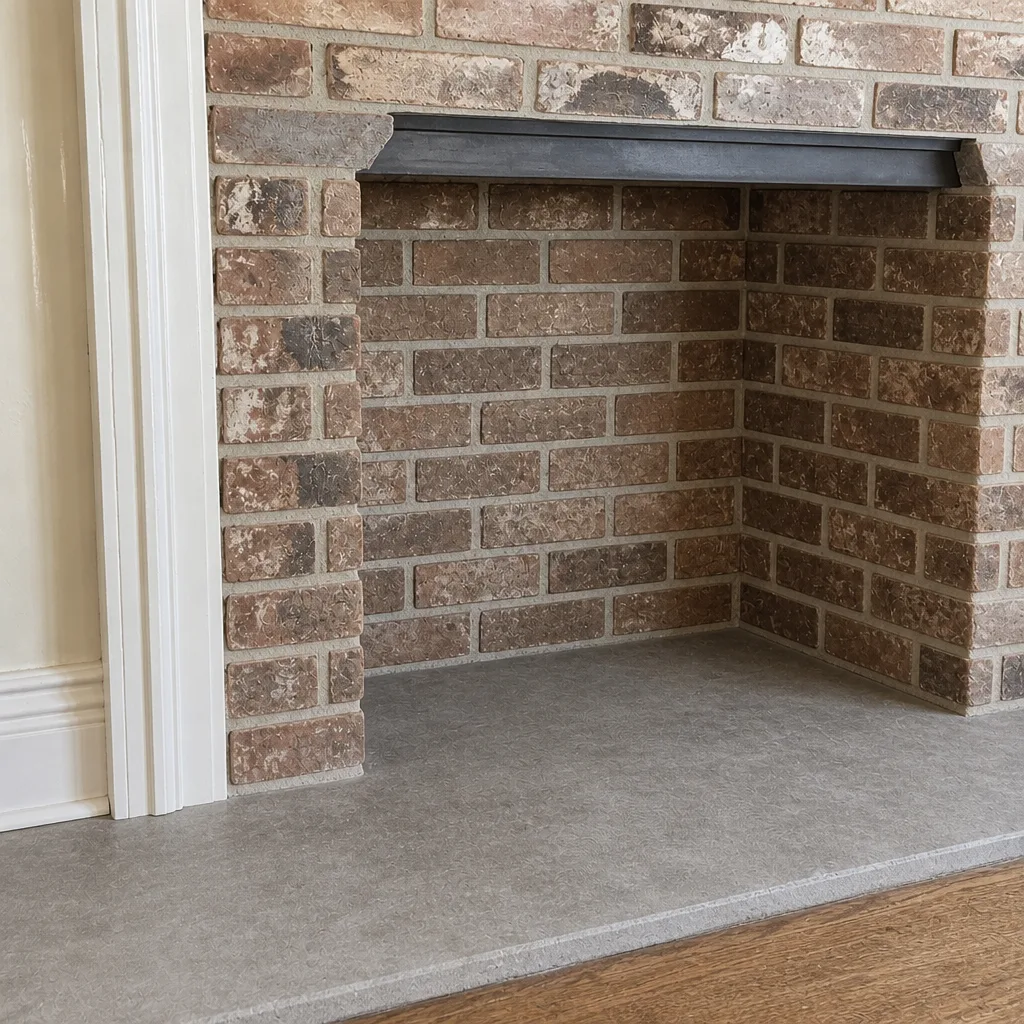
See the difference
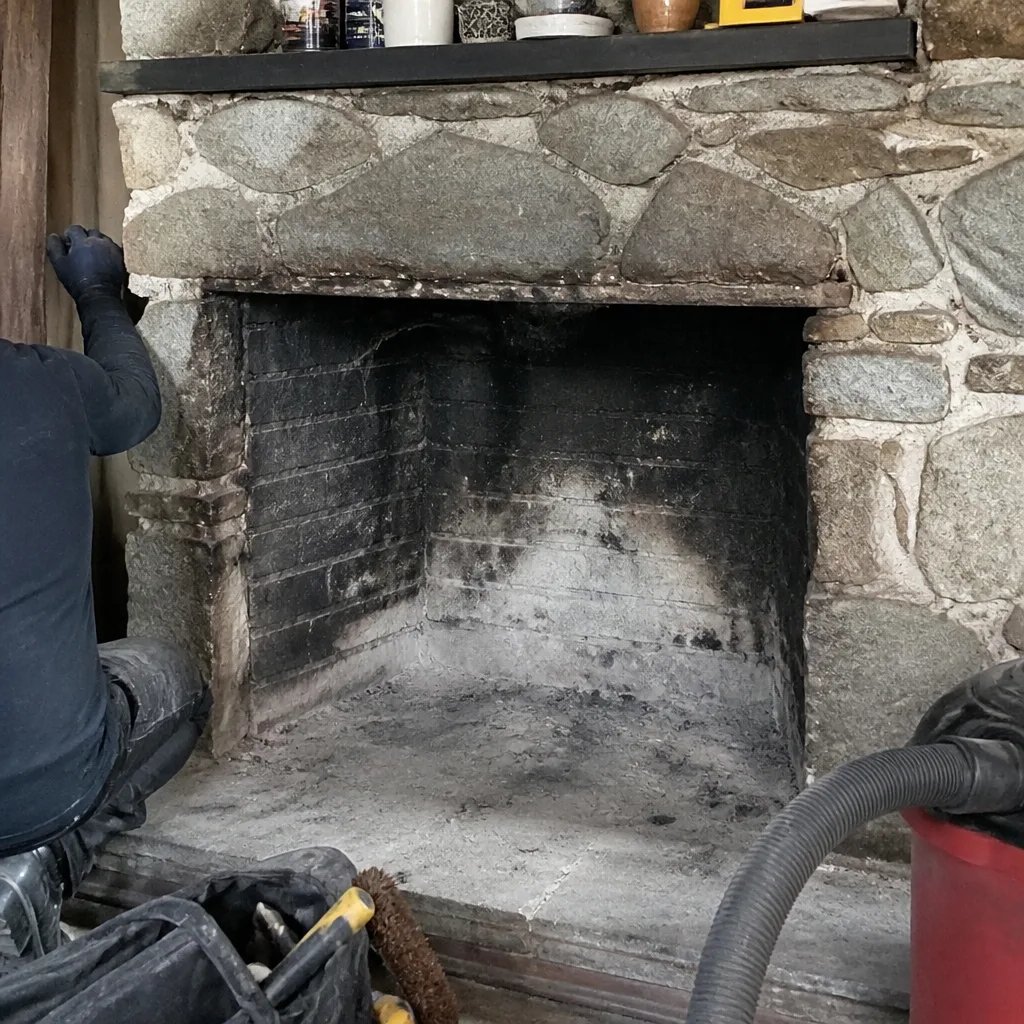 Before
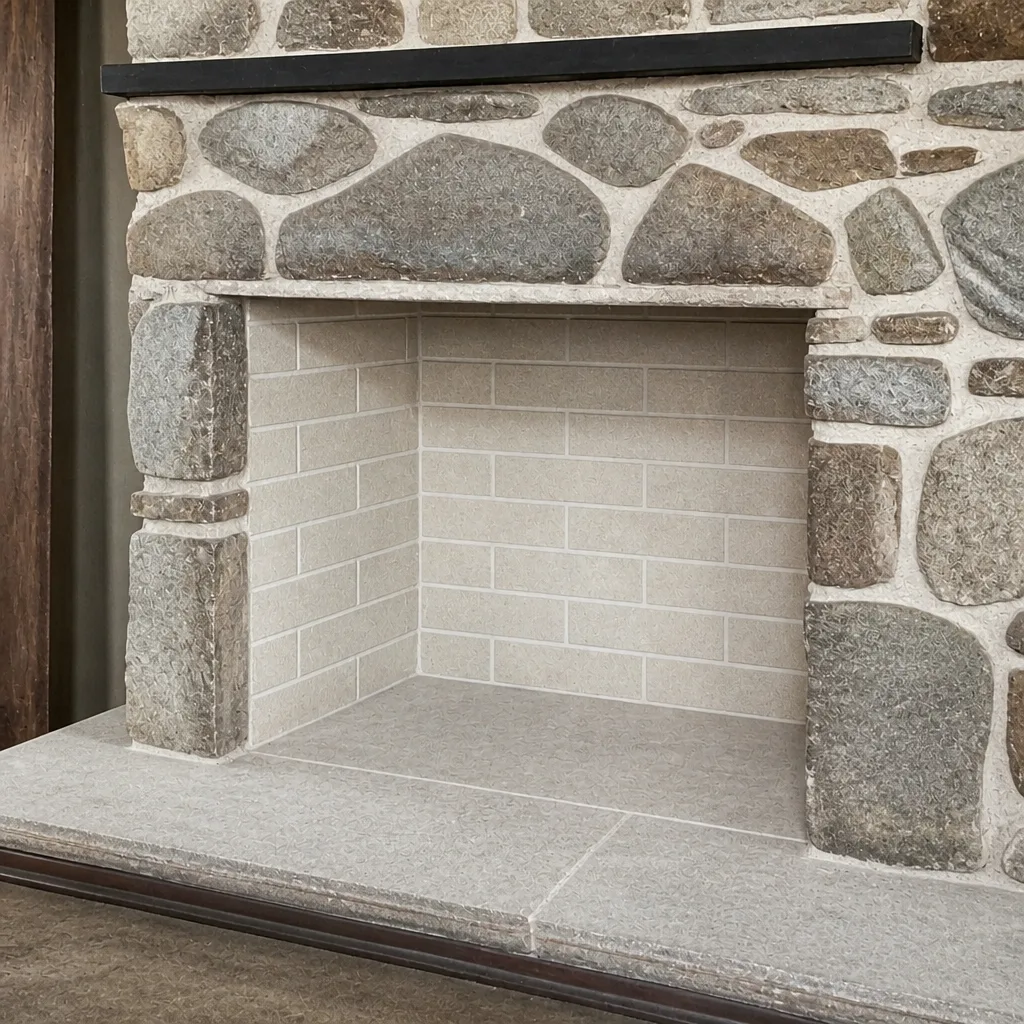 After
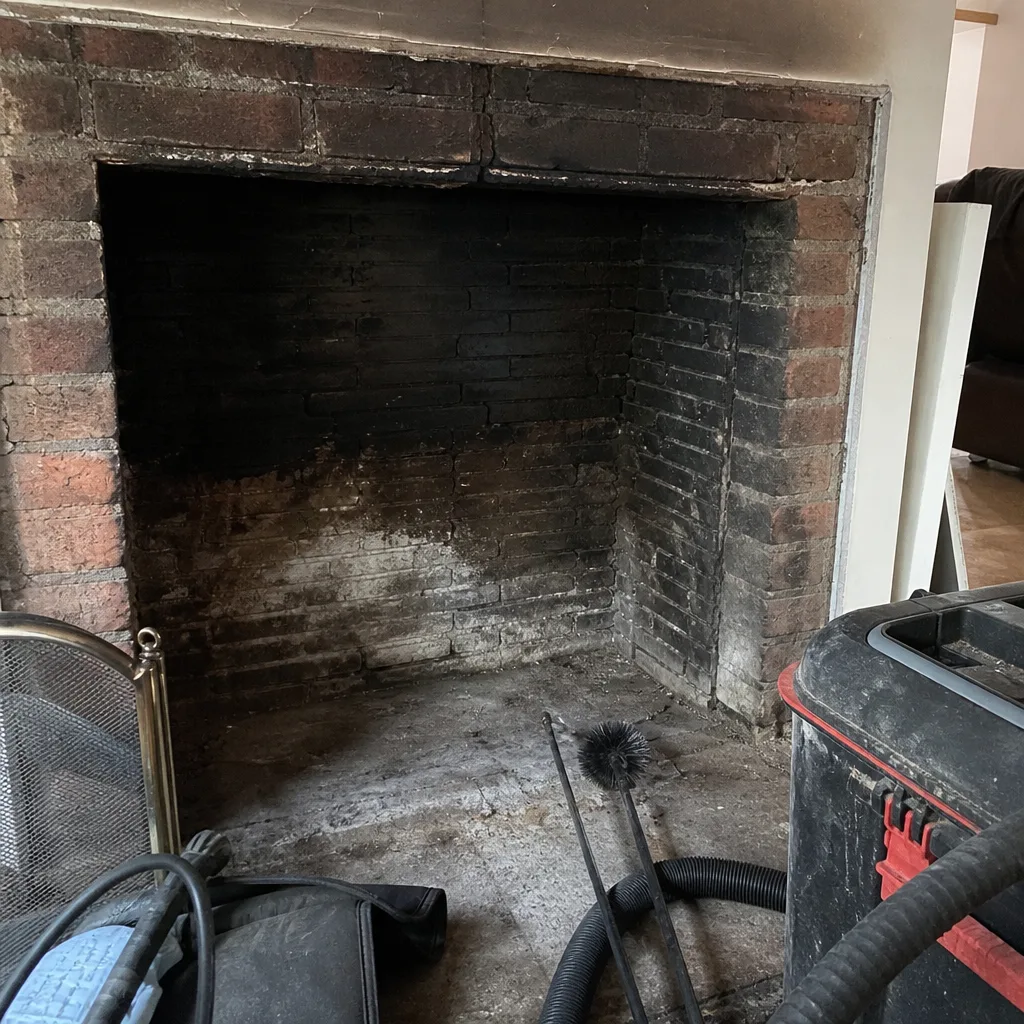 Before
 After
 Before
 After
When to Call a Professional
Any time you’re moving into a new Hell’s Kitchen property with a wood-burning or gas fireplace, you should have the system inspected before the first fire. The prior owners’ maintenance history is almost never fully documented, and the flue has to be verified before it’s trusted. Chimneys that have sat unused for a season or more in a building with shared masonry should be inspected before they’re re-lit. Visible signs that warrant a call: soot falling back into the firebox, a strong creosote smell, draft problems, water stains on the chimney breast inside the apartment, or a crown you can see is cracked from the roof. If a chimney fire has ever occurred, even a small one, get the flue inspected.
Chimney Sweep Hell’s Kitchen offers free estimates in Hell’s Kitchen – call (866) 947-8139. We answer 24/7. Fast dispatch from 7am to 7pm, Sunday through Friday.
Frequently Asked Questions
The widely cited standard from the chimney trade is to sweep when the creosote buildup reaches about one-eighth of an inch on the flue interior. In practice, that depends on how much you burn, what you burn, and how the appliance vents. If you use a wood fireplace regularly through the heating season, an annual sweep and inspection is a reasonable baseline. If the fireplace is used only occasionally, less frequent sweeping may be appropriate, but a yearly inspection still makes sense. In a Hell’s Kitchen pre-war building, the inspection matters as much as the sweep because shared flues and offset runs can hide problems that a straight-pipe job wouldn’t have. Call (866) 947-8139 for an estimate; it’s free.
Sometimes a full reline is correct, but not always. Depending on the condition of the existing liner, a ceramic resurfacing system like HeatShield can restore a deteriorating flue without pulling the entire liner and replacing it. That’s a cost curve worth exploring before committing to the larger scope. The only way to know which one applies is a camera inspection with photos you can see. If a contractor tells you “new liner” without that step, get a second opinion. Call (866) 947-8139 for an honest assessment – estimates are free.
Yes, but the contract should name the entity clearly and identify who has authority to approve the scope and authorize payment. In Hell’s Kitchen buildings run by a co-op board or managing agent, the contractor needs to coordinate with the super and the agent for roof access, and the contract should be signed by someone with authority to bind the building. Ask the contractor whether they’ve worked with a managing agent before and how they’ll handle coordination. What matters most is the scope and materials being in writing regardless of who signs.
CSIA certification is a national credential that demonstrates knowledge of chimney systems in general. A Hell’s Kitchen-competent contractor holds that knowledge and also understands urban building stock: party-wall flues, offset runs, gas venting that shares a masonry stack with a wood flue, DOB filing requirements for liner work, and roof access through shared building systems. Ask specifically whether they’ve worked brownstones and pre-war walk-ups in Manhattan and how they handle those conditions. The answers will tell you which kind of contractor you’re talking to.
Ask for the contractor’s legal business name, then search the New York City DOB’s online building information system by that name. You want to see recent permits filed for chimney, liner, or venting work in Manhattan, and you want to confirm those permits were closed cleanly. If a contractor you’re considering can’t produce any filing history, that’s a signal they either don’t pull permits or don’t work in jurisdictions where it’s required. Before you sign anything, ask for two recent permit numbers for comparable installations. A contractor with nothing to hide will provide them without hesitation.
At minimum: the specific scope (which flue, what work, what outcome), materials named by brand and grade (including DuraFlex, Olympia Chimney, Copperfield, or whatever the contractor is installing), manufacturer and contractor warranty terms, camera inspection documentation as a deliverable, payment schedule, and who is pulling any required permits. Insurance certificates should be attached. If the contract doesn’t specify the liner brand, ask them to add it before you sign. The written scope is what you have to hold the contractor accountable, so it needs to be specific enough to check later.
The Bottom Line
Hiring a chimney contractor in Hell’s Kitchen is a skill you can learn quickly: check insurance and permits, insist on camera inspection before any repair quote, demand a written scope with brands and grades, and verify DOB filings before you sign. Those four steps screen out most of the contractors who shouldn’t be working on your building – including the ones who hold a certification but have never dealt with a party-wall flue or pulled a permit. If you’d rather skip the screening and work with a contractor who covers the full system – sweep, cap and crown, repair, inspection, fireplace repair – we do this in Hell’s Kitchen every week. Call (866) 947-8139. The estimate is free, and we’ll tell you plainly if the work can safely wait.
Written by the team at Chimney Sweep Hell’s Kitchen.