
Last updated November 25, 2026
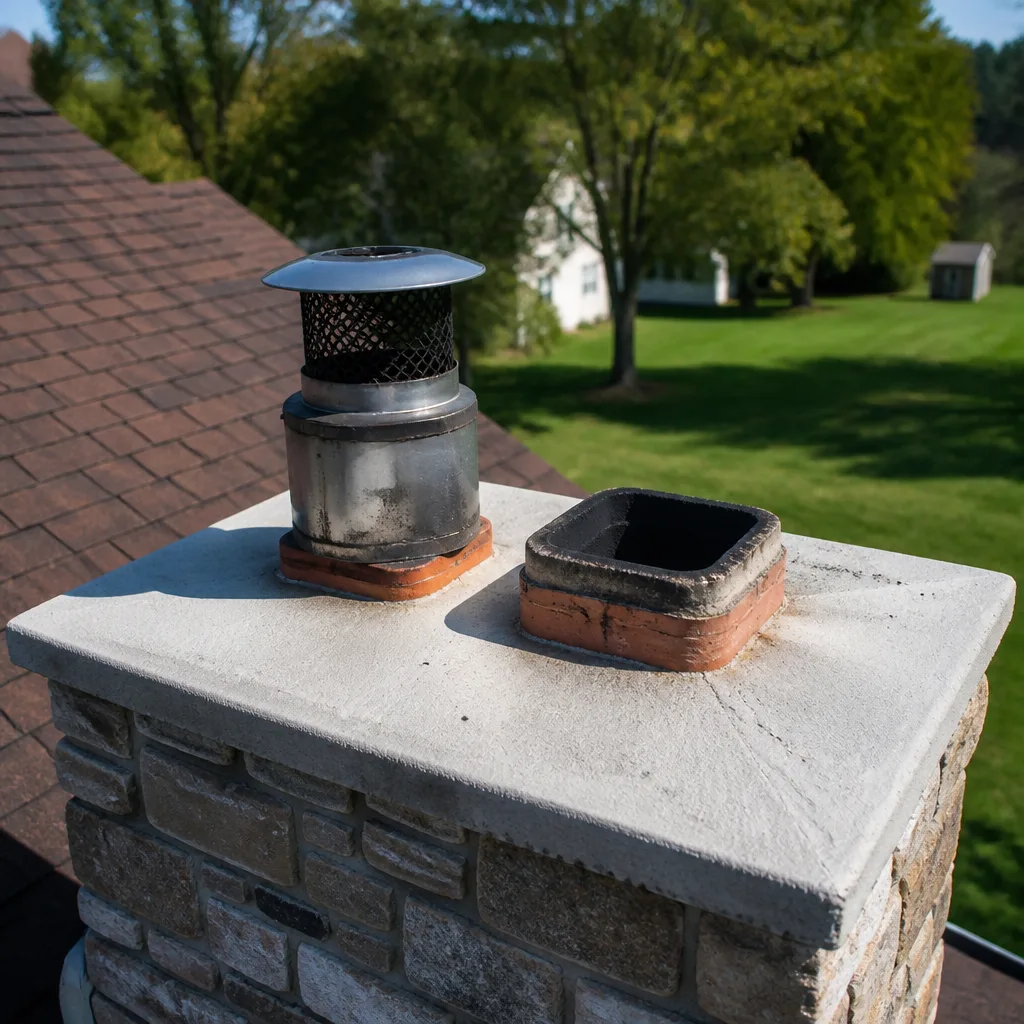 Sweep & inspection
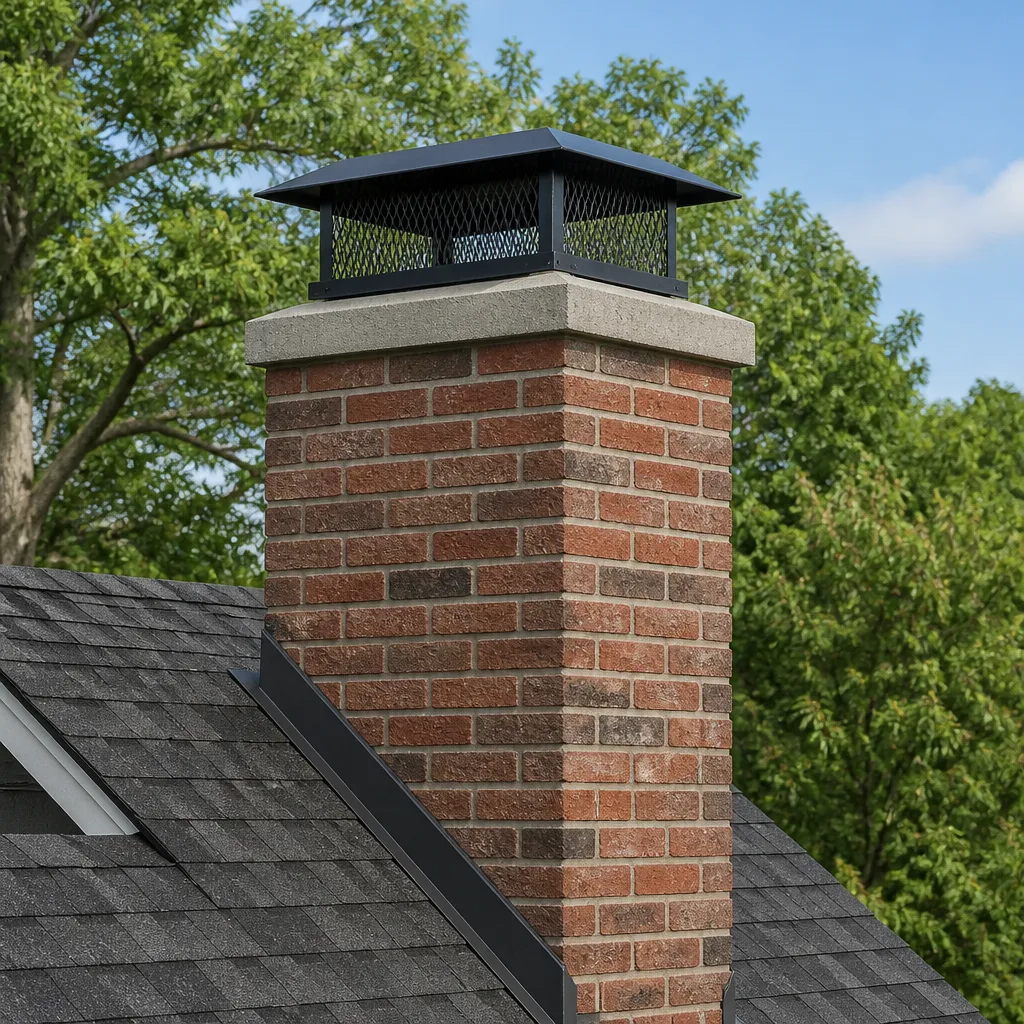 Caps & crowns
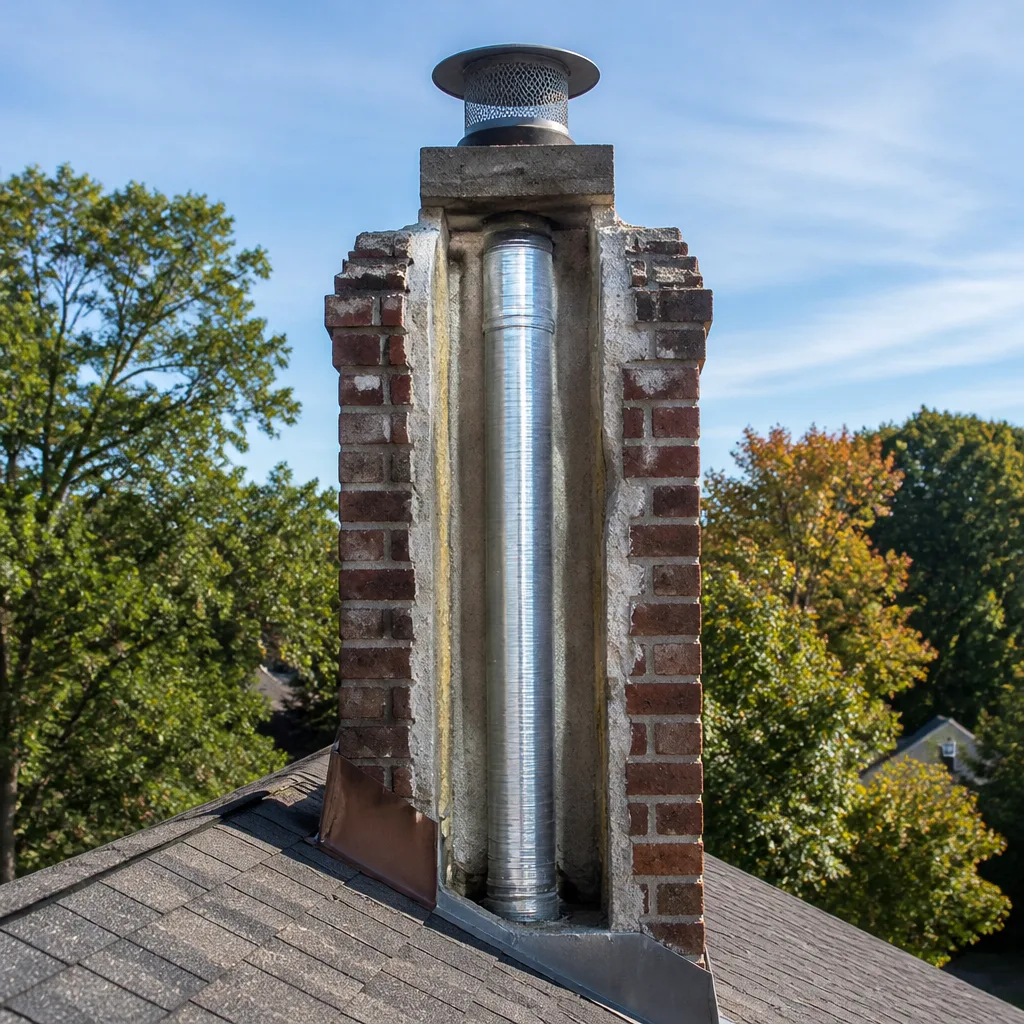 Flue relining
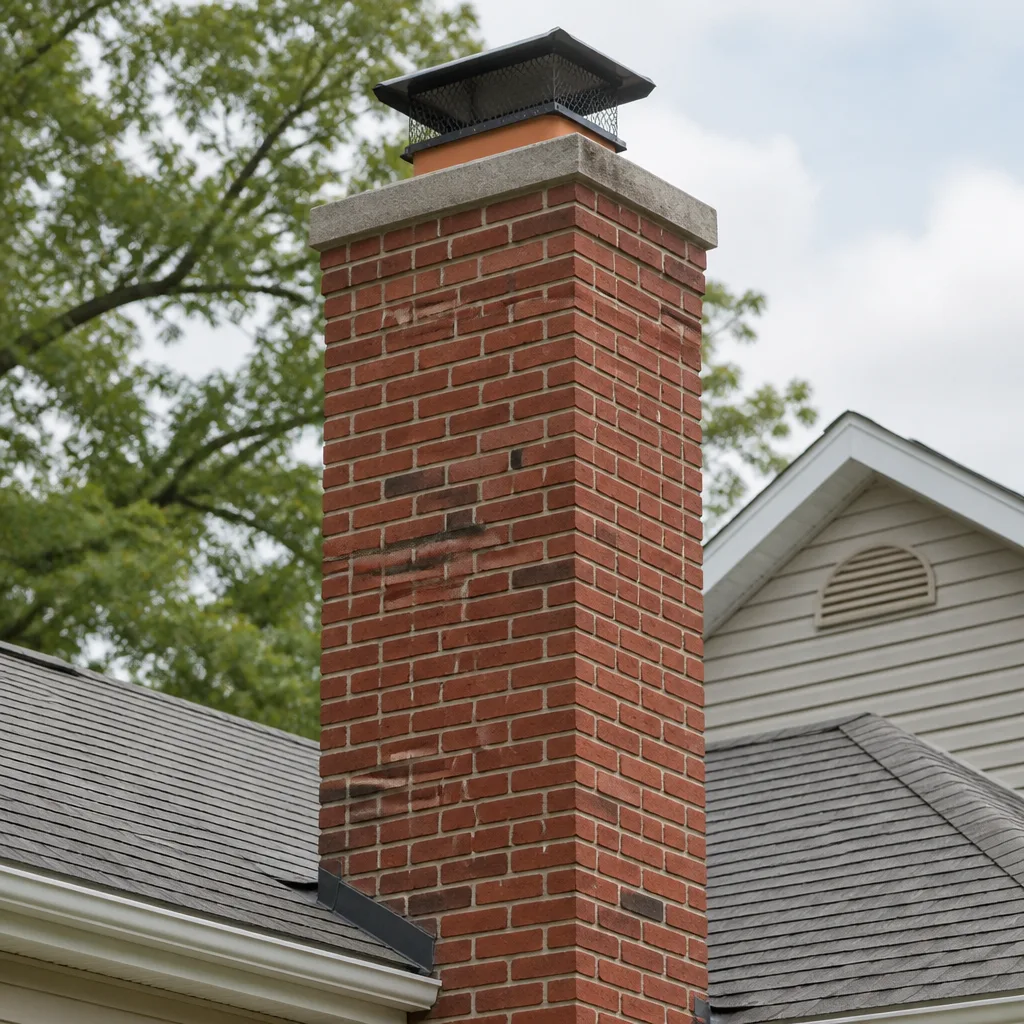 Masonry repair
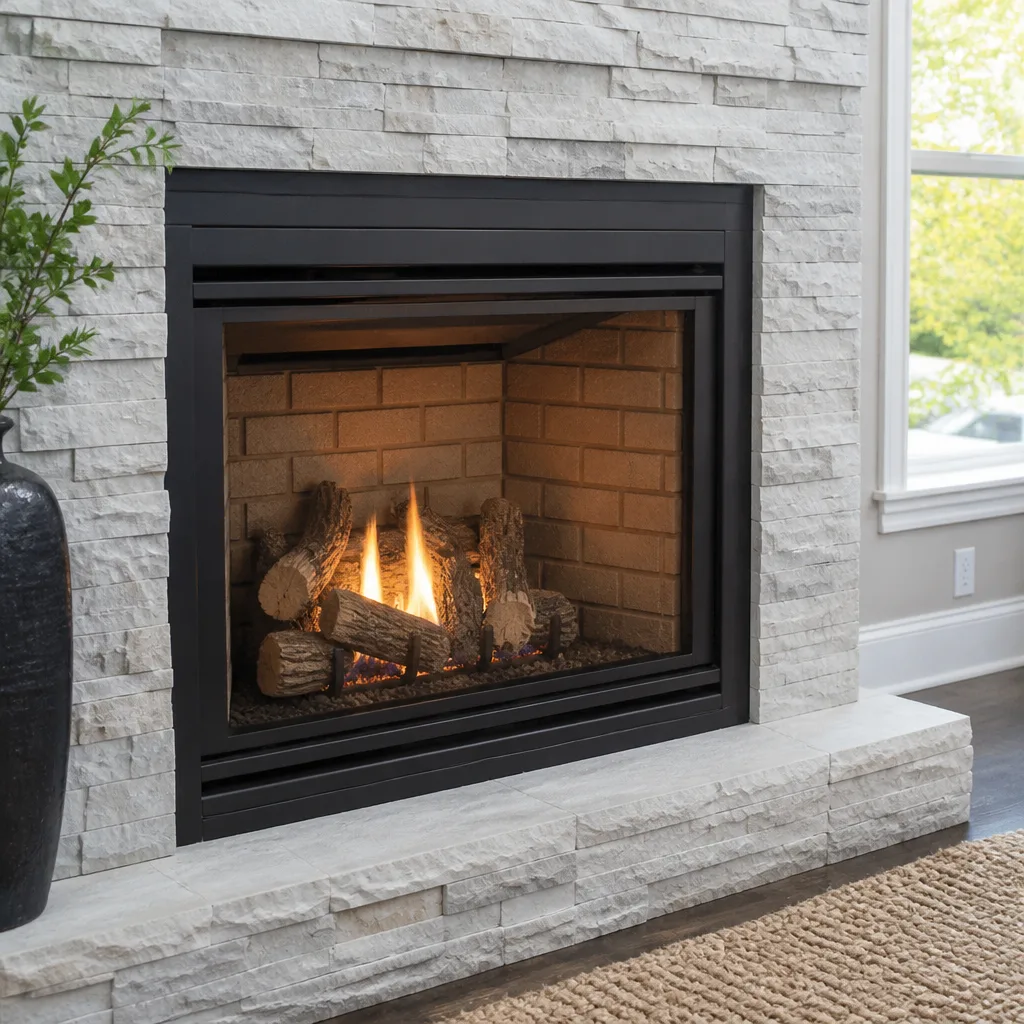 Gas fireplace service
Level 1 sweep and inspection to the NFPA 211 annual standard - flue, crown, cap, and flashing checked and photographed
Chimney sweep logs do not sweep chimneys. They loosen some creosote - which then falls where a brush and vacuum still have to collect it.
Seasonal Chimney Cleaning Care for Hell’s Kitchen: Year-Round Homeowner’s Guide
Everyone in New York says the same thing: get your chimney swept in the fall. In Hell’s Kitchen, that advice costs you. Wait until October and you’re booking into a backlog, your masonry has just spent an entire summer pulling moisture out of the air, and you’re about to light the season’s first fire in a flue nobody has looked at since early spring. The conventional calendar was written for places with different weather and different trees. This guide maps the actual rhythm of a Hell’s Kitchen chimney across all four quarters, so you schedule service when the building needs it, not when the line is longest.
Quick Answer
For a Hell’s Kitchen chimney, the best time to book a full sweep and inspection is late August or early September: summer humidity has peaked and left its residue, the fall leaf load from street trees hasn’t hit yet, and you’re ahead of the October rush. Pair that with a short post-winter inspection in March or April to catch freeze-thaw damage in the masonry before it compounds.
Styles & brands we work with
- Sweep & inspection
- Caps & crowns
- Flue relining
- Masonry repair
- Gas fireplace service
Table of Contents
- Why Hell’s Kitchen Has Its Own Chimney Calendar
- Winter Through Early Spring: Freeze-Thaw and the Case for a Post-Winter Inspection
- Summer Moisture and the Chemistry Inside Your Flue
- Late August and September: The Optimal Service Window
- Fall Tasks Beyond Sweeping: Caps, Crowns, and Dampers
- Buying or Inheriting a Hell’s Kitchen Property Mid-Season
- A Year-Round Schedule You Can Actually Keep
- Common Mistakes to Avoid
Why Hell’s Kitchen Has Its Own Chimney Calendar
The generic advice to sweep in autumn assumes a climate with a dry summer and a long cold winter. Hell’s Kitchen gets something harder on masonry. The neighborhood sits in the middle of Manhattan, where rooflines are tight, buildings shade each other for much of the day, and the humid summer air holds moisture against brick and mortar joints that never fully dry out between storms. Then the temperature drops, that trapped moisture freezes, expands, and starts working at the joints from the inside.
Layer onto that a canopy of street trees, whose leaves and seed pods blow across rooftops and settle into chimney caps and crowns every fall. And add that most Hell’s Kitchen buildings are older masonry structures where plenty of chimneys have already been through a hundred freeze-thaw seasons before you bought in. The system in your building isn’t sitting in a stable, dry environment. It’s under continuous load from three directions: moisture, thermal cycling, and debris.
That’s why the calendar here looks different from the national advice. The questions to ask aren’t “is it fall yet” but:
- Has the masonry just come through a freeze-thaw winter, and does it need eyes on it now?
- Has the flue sat all summer absorbing humidity and building up residue?
- Is the cap and crown sealed before the leaves come down, or is debris about to start backing up?
Answer those three in order through the year and the chimney stays ahead of the damage instead of chasing it. When the full chimney system is Chimney Sweep Hell’s Kitchen, inspected, cleaned, and repaired under one trade specialist, the seasonal checkpoints are the same visit rather than three separate phone calls. We don’t just sweep; we diagnose the whole stack on each pass.
Winter Through Early Spring: Freeze-Thaw and the Case for a Post-Winter Inspection
January through March is when a Hell’s Kitchen chimney does its quietest damage. Water that got into the masonry in late fall freezes overnight, expands, and thaws the next afternoon, and each cycle widens hairline cracks in mortar joints and spalls the surface of brick. You won’t see any of it from the sidewalk. By the time a crack is visible from the fire escape, water has usually been finding a path inside for a season or two.
A post-winter inspection, run in March or April, is the single most useful appointment on the calendar here. It’s the first look at the stack after the hardest months, while the damage is still cheap to arrest. The inspection looks for:
- Mortar joint deterioration at the crown, the top courses, and the flashings, where freeze-thaw does the most work.
- Spalling brick faces, which flake off as trapped moisture pushes them outward.
- Hairline cracks in the crown, the concrete or mortar cap on top, which is the leading path for water entering the chimney.
- Cracked flue tiles, which you can’t see from outside and need a camera to find.
- Loose or missing cap components after winter wind and ice load.
The point of the spring visit isn’t to sell you a repair. It’s to sort what can safely wait from what shouldn’t. A hairline mortar joint that’s still sound can be watched for another season. A cracked crown that’s letting water track down through the flue is a different category, and the sooner it’s sealed the smaller the bill. Our technicians have up to 14 years of experience in and around Hell’s Kitchen masonry; we know what a New York winter does to a crown versus what a decade of deferred maintenance looks like, and we tell you which you’re looking at. That’s chimney repair framed honestly, not sold as a package.
Summer Moisture and the Chemistry Inside Your Flue
Summer is the season most homeowners forget about the chimney. It’s also when the flue accumulates the residue you’ll be lighting a fire on top of in the fall. The mechanism is different depending on what you burn, and the difference matters for how the chimney should be cleaned.
In a gas fireplace or gas log set, the combustion byproducts include small amounts of sulfur compounds. In humid weather, those compounds combine with the moisture in the flue to form acidic deposits that attack metal liners and masonry mortar. That’s the chemistry behind the corrosion you sometimes see on an older vent. The residue is usually pale or white and powdery, sometimes crusty, and it sits on the flue walls and around the vent connection.
In a wood-burning fireplace, the summer humidity doesn’t create creosote (that’s a byproduct of combustion), but it does soften and spread whatever creosote was left from last season. It also encourages mold and mildew on the firebox surfaces and in the damper area, especially in a closed-up apartment. Creosote residue is typically dark brown or black, shiny when glazed, and flaky at the lower stages.
Knowing which you’re looking at matters because it changes the cleaning method and the inspection focus. Pull the damper and look for a moment:
- Pale, powdery, or crusty white deposits around a gas vent: acidic condensate buildup, and a sign a liner or vent assessment is due.
- Dark, glazed, or tar-like coating on a wood flue: creosote, at the stage that needs professional sweeping before next season.
- Damp smell, discoloration, or efflorescence (white salt bloom) on the firebox surround: moisture is entering the chimney somewhere above.
If you see any of those in July or August, that’s your cue to book. It’s also your cue that the cap and crown need checking, because most moisture inside a chimney starts at the top. If you want the full picture before you book, the local pro can do a chimney cap & crown assessment on the same visit.
Late August and September: The Optimal Service Window
Late August or early September is the best time to have your chimney swept and inspected in Hell’s Kitchen, and it comes down to timing physics more than preference. By then:
- Summer humidity has peaked and the soluble residue it left inside the flue has stabilized.
- The bulk of the season’s creosote from last winter is still a full sweep away from being forgotten.
- The fall leaf load hasn’t started, so the cap and crown assessment is accurate rather than obscured by debris.
- The October booking backlog, when every building in the neighborhood calls at once, hasn’t formed yet.
The last point is the one most people miss. The conventional fall sweep exists because everyone follows the same advice, which means the same eight weeks in every city get overloaded with demand. Booking in late August or early September puts you through the system before the queue builds, with a technician who isn’t sprinting through five jobs in an afternoon. You get the camera inspection and the photo report in full, and you can ask real questions about what the camera found.
Our practice on every visit is the same as it would be in October: a full sweep, a camera inspection, and a photo report you actually get to see. That report is the answer to the real hesitation homeowners bring to this call. You’re not going to be told you need a new liner or thousands of dollars of masonry work on our word alone. Nothing is recommended without camera evidence you can review yourself, and when a problem can safely wait, we say so.
Through late summer and fall, the service we’re most often asked for is the standard chimney sweep, and it’s the same visit where we identify what needs to be scheduled next. If you have a gas fireplace, the summer-to-fall window matters more than for wood, because the acidic condensate from the humid months has had time to settle onto the vent. If you have wood, the window matters because you want a clean flue before the first fire, not five fires in.
Fall Tasks Beyond Sweeping: Caps, Crowns, and Dampers
A sweep is one task. Fall in Hell’s Kitchen asks for several more, and skipping them is how a clean chimney becomes a wet one before spring.
Inspect the cap and crown before leaf season
The chimney cap and crown are the two components most likely to fail first and most likely to be ignored by services that only sweep. The crown is the top surface of the chimney; the cap is the cover over the flue opening, usually with a screen to keep animals and debris out. In a neighborhood with dense street trees, the screen is doing work all autumn. A cracked crown and a loose cap are the leading sources of water intrusion and structural chimney damage, which makes this a preventive necessity, not an upsell. Check them before the leaves come down so a clear vent is what greets the first storm.
Do the damper sealing test before the first fire
Close the damper and look up. On a cold day, if you feel air moving past the damper plate when it’s shut, the seal is failing. On a warm or windy day, hold a thin strip of tissue or light paper near the damper edges and watch whether it flutters. If it does, the damper isn’t sealing, which wastes heat in winter and lets humid summer air into the flue, feeding the decay in the previous section. A damper that won’t close cleanly usually needs repair, not just adjustment.
Clear the firebox and check the liner view
Empty the firebox of ash and old logs before the first fire. Look up through a flashlight: if you can see daylight through the damper, that’s normal on a straight flue. What’s not normal is a clearly visible break in the liner tiles or a loose tile edge, which warrants an inspection rather than a fire.
Test your carbon monoxide detector
A working CO detector on each level of the home is a reasonable minimum, and fall is the right time to test it. This isn’t a pitch; it’s a habit. Any chimney with a crack in the flue or a blocked vent has the potential to send combustion gases into the living space, and a detector is the alarm you want working before that risk exists.
The fall workload is why single-company coverage of the whole chimney matters. Cap, crown, damper, flue, and firebox are all in scope on one visit when the trade specialist handles the full system, so you’re not chasing two or three different trades for parts of the same chimney. Materials from the recognized trade brands (DuraFlex and Olympia Chimney among the liners and venting components we source) are what we install, and the same technician who diagnoses also does the fix.
Buying or Inheriting a Hell’s Kitchen Property Mid-Season
Buying into a Hell’s Kitchen building, or inheriting an apartment with a chimney, means starting with a blank history. You don’t know when it was last swept, whether the liner has ever been replaced, or what the prior occupants burned. The good news is that a single thorough inspection before first use tells you almost everything you need to know going forward, and the visit establishes a baseline you can compare against next year.
The protocol before first use on a property with no service history:
- Book a full inspection, not just a sweep. The camera is what tells you the truth about the liner, the crown, and the firebox condition.
- Get the photo report. Ask for images of the flue liner interior, the crown from the roof level, the damper, and the firebox. If a contractor won’t show you, that’s a signal.
- Do not light a fire until the inspection is done. This is especially true if the fireplace is wood-burning and the previous owner’s habits are unknown.
- Check the cap is in place and the screen is intact. Abandoned chimneys often lose their cap, and animals move in.
- Confirm whether the fireplace is gas or wood-rated. A gas log set installed in a firebox not rated for it is a code and safety issue, and it’s a common find in buildings that have been renovated multiple times.
- Ask about a liner assessment. If a camera shows deteriorating flue tiles, the right answer may be HeatShield resurfacing, which restores the existing liner rather than requiring a full reline. Most sweep-only services won’t offer it; HeatShield-capable technicians can.
The liner question is the one most buyers worry about. A cracked tile doesn’t automatically mean thousands of dollars. HeatShield resurfacing is a specialized restoration method that can address a deteriorating flue with a ceramic coating rather than a full reline, and it’s a cost-effective structural option when the tile damage is within its scope. What it can’t do is fix a liner that’s beyond structural repair, and the camera is what determines which you’re dealing with. That’s the honest answer to “do I really need a new liner.” Sometimes yes; often a restore is what’s actually needed. See for yourself.
If the property includes a gas fireplace that hasn’t been serviced, the fireplace itself is worth a separate look. Chimney repair as a standalone service bridges the gap between chimney contractors and general contractors when the firebox, surround, or damper needs work.
A Year-Round Schedule You Can Actually Keep
Here’s the whole calendar condensed into something you can put on a fridge note. It follows the Hell’s Kitchen rhythm rather than the national advice, and it’s built around two service windows and a handful of five-minute checks you can do yourself.
Post-winter (March – April): inspection
- Book a post-winter inspection to assess the masonry after freeze-thaw cycling.
- Have the camera run on the flue liner and crown.
- Get the photo report and log what can wait versus what needs attention.
Spring and early summer (May – July): light checks
- Look up through the damper with a flashlight. Note any pale deposits (gas) or dark glazing (wood).
- Smell the firebox in humid weather. A damp or sooty smell suggests moisture and needs a cap or crown check.
- Test the CO detector.
Late summer and early fall (late August – September): sweep and inspection
- Full sweep of the flue, sized and matched to the fuel (wood vs. gas).
- Camera inspection of the liner, crown, and firebox.
- Cap and crown assessment, since the leaf season is about to begin.
- Damper seal test before the first fire.
Fall (October – November): preventive tasks
- Confirm the cap screen is secure; the leaves will start arriving.
- Empty the firebox, remove old ash, and confirm the damper moves freely.
- Schedule first fire; if any doubt at all about the liner, don’t light.
Winter (December – February): use and observe
- Burn seasoned wood only in a wood-burning fireplace; green wood leaves more creosote.
- If smoke spills into the room or the fire won’t draw, stop using the fireplace and book an inspection.
The whole calendar is the practical answer to the seasonal schedule question. Pre-winter (late August and September) is the primary window; post-winter (March and April) is the diagnostic window. The five-minute checks in between are what catch the moisture and deposit issues before they turn into structural work.
Common Mistakes to Avoid
- Waiting for the first cold snap to call. By then every other building in Hell’s Kitchen has called too, and the queue swallows the window you actually needed.
- Treating the sweep as the whole service. A brush-and-go visit leaves the crown, cap, damper, and liner unchecked, and the most expensive problems live in those parts.
- Ignoring the summer smell. A humid smell from the firebox in July is a moisture signal, not a quirk of the building. It usually points to the crown or cap, and it gets worse before it gets better.
- Letting leaf debris build on the cap through autumn. Street trees drop a heavy load in this neighborhood, and a clogged cap screen is one of the easier ways to force a flue issue.
- Lighting a fire in an inherited fireplace before the inspection. Every Hell’s Kitchen building with a no-history fireplace should get a camera inspection before the first flame.
- Skipping the damper seal test. A damper that doesn’t close wastes heat all winter and admits humid air all summer, which quietly accelerates liner deterioration.
- Accepting a liner replacement quote without seeing the camera images. HeatShield resurfacing can restore a deteriorating flue without the cost of full relining, so an unsupported reline quote is worth a second look. You should see the scope for yourself.
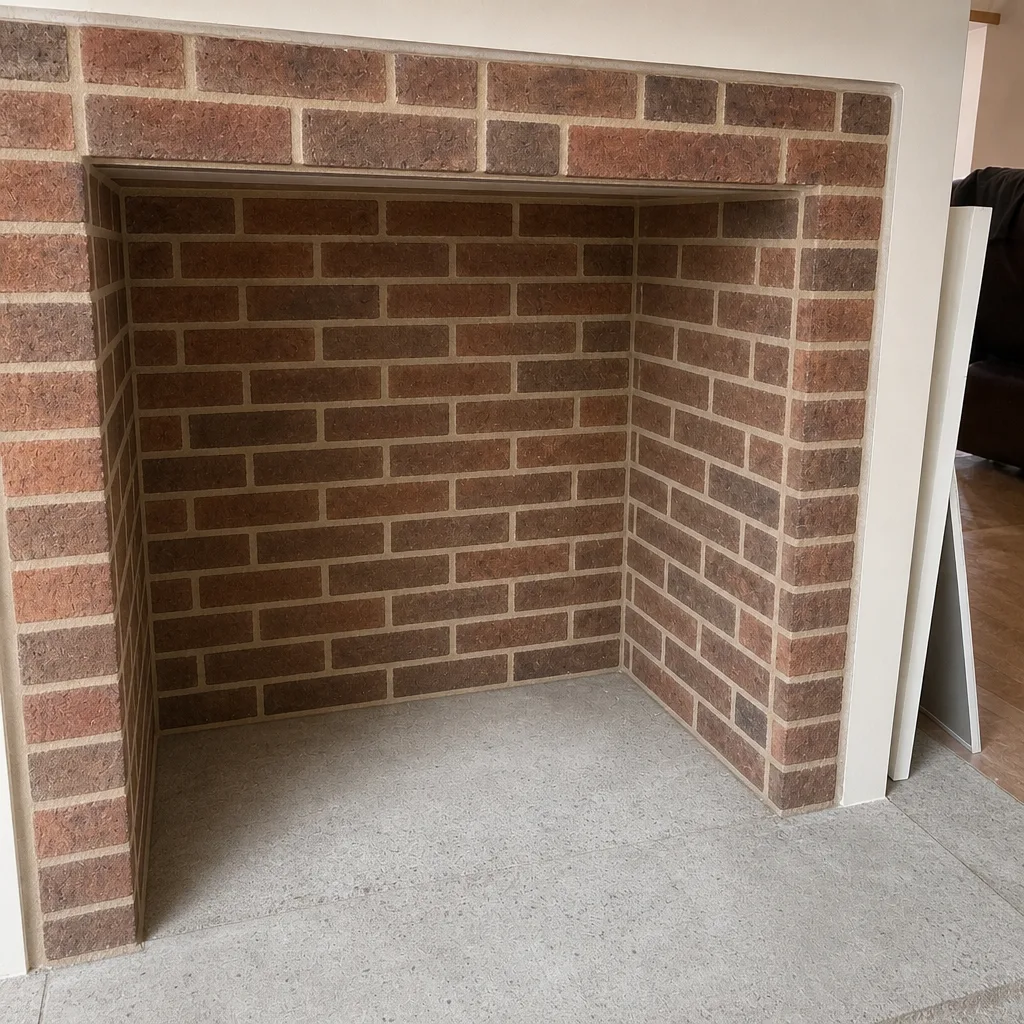
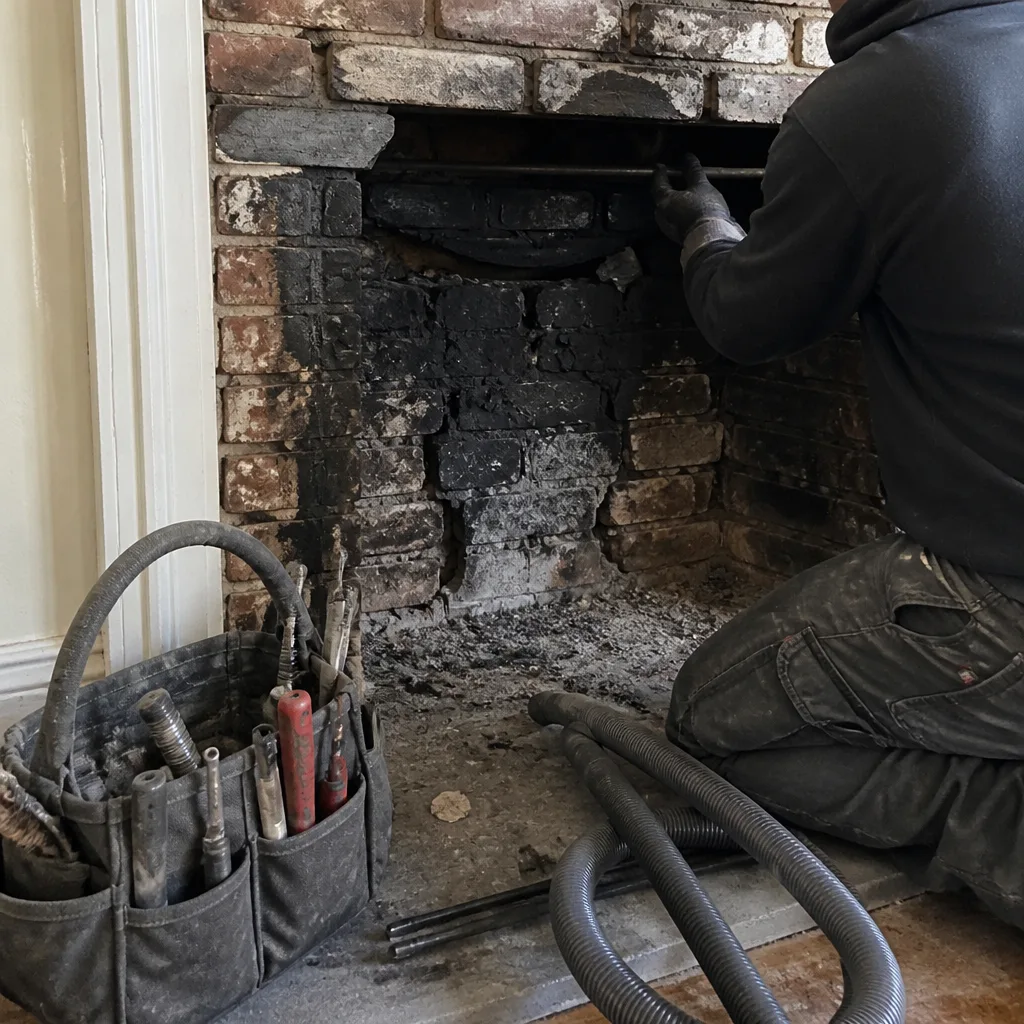
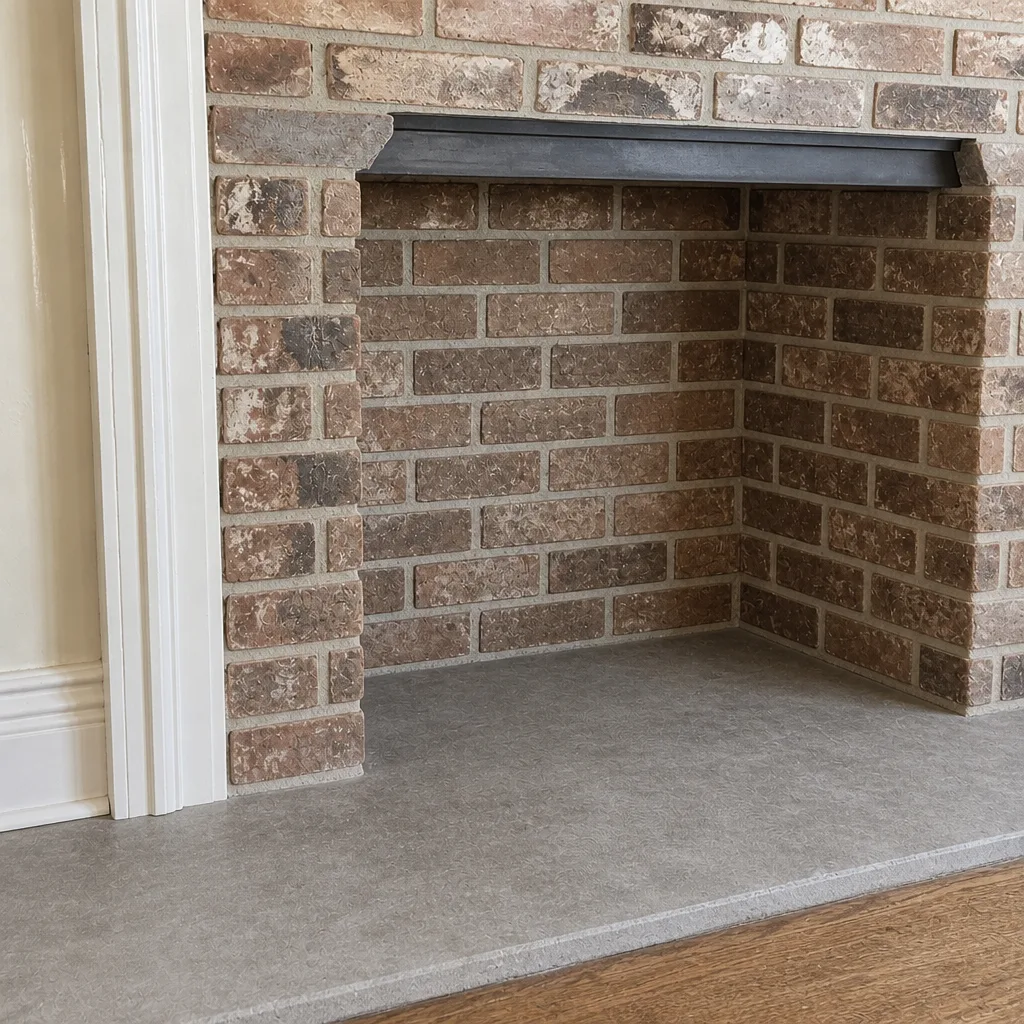
See the difference
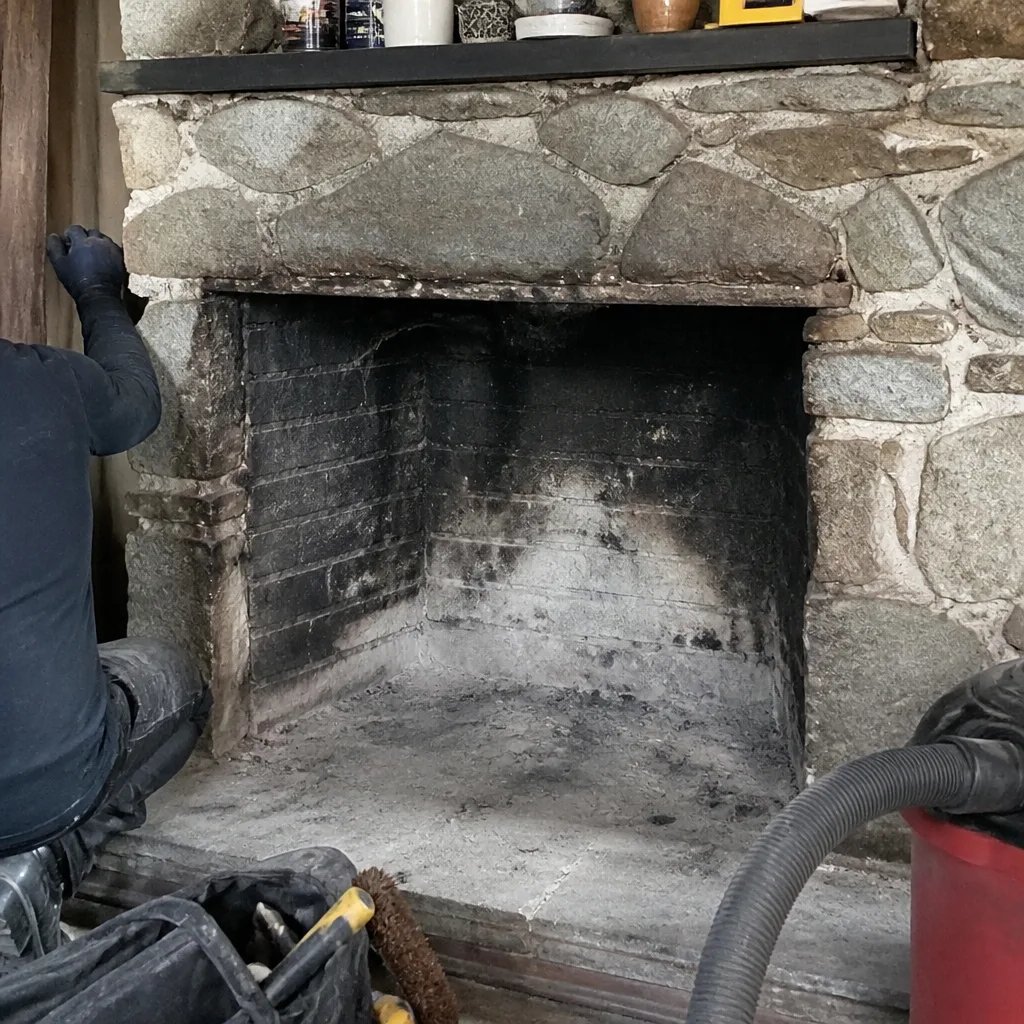 Before
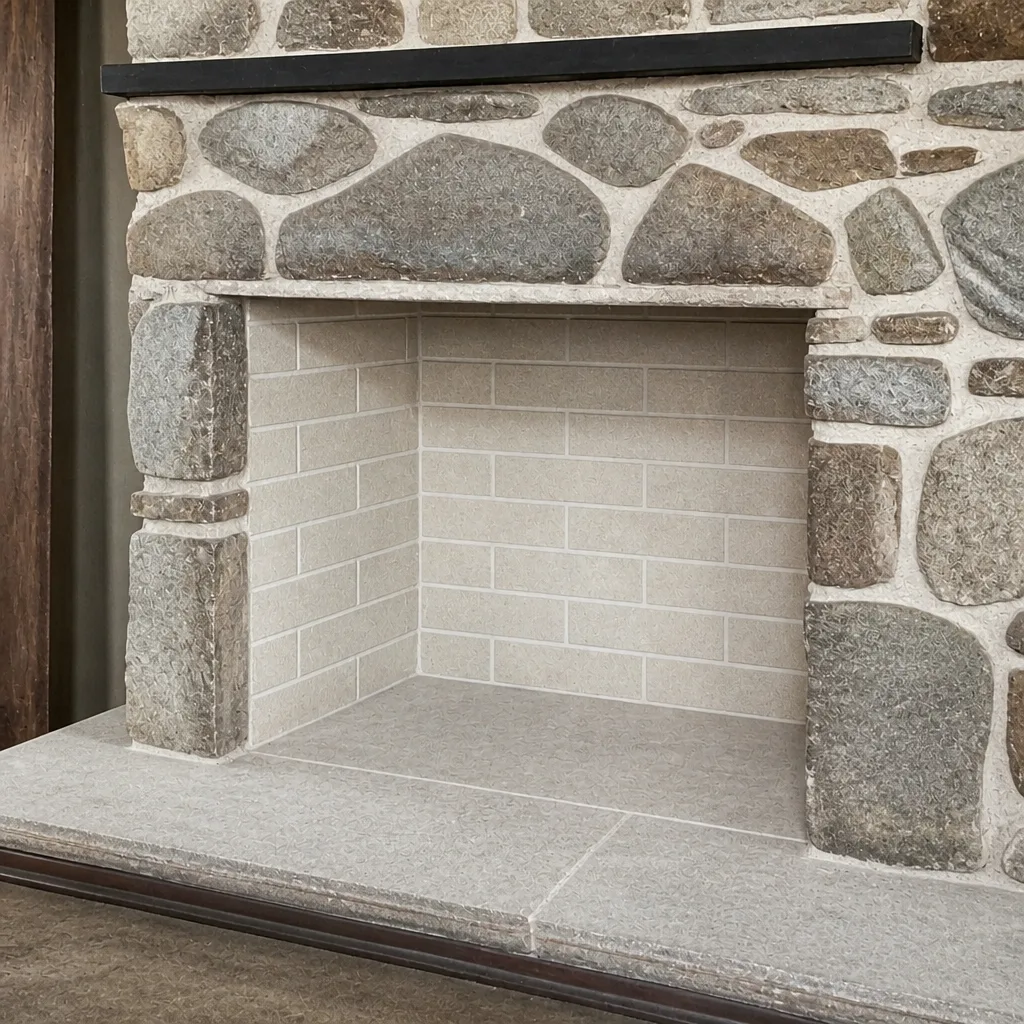 After
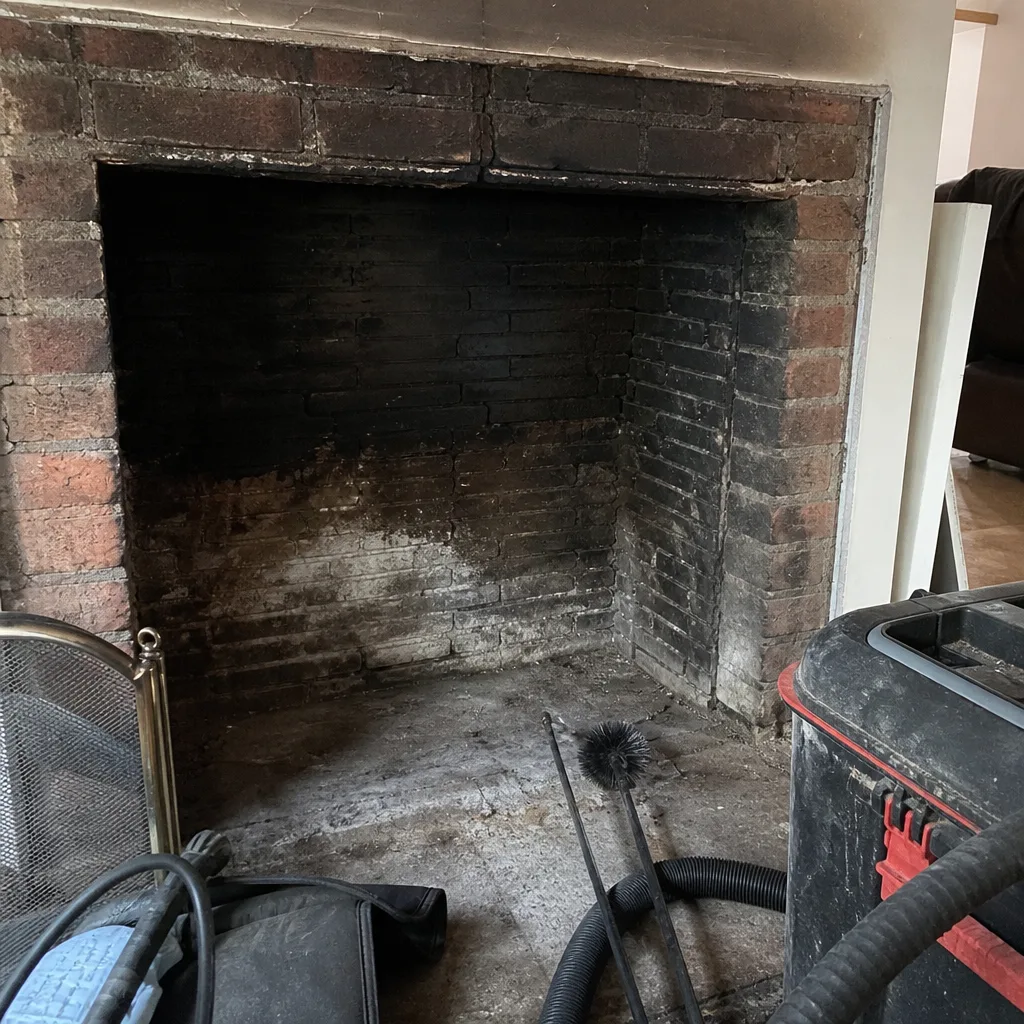 Before
 After
 Before
 After
When to Call a Professional
Some things you can safely check yourself: the damper, the firebox, the cap screen, the CO detector. Some things need a trained professional with a camera and the right tools. Call for a service visit in Hell’s Kitchen if you smell a strong smoky or damp odor in your home, if smoke rolls into the room when you light a fire, if the fire won’t draw at all, if you can see cracked tiles or flaking mortar at the crown level, if your CO detector has ever alarmed, if you have just bought a property with no chimney history, or if it’s been more than a year since the last full sweep and inspection.
For high-tension garage door springs, electrical panels, gas lines, and steep-roof work, always get a trained professional – none of those are DIY territory, and neither is anything involving the crown of your chimney. Chimney Sweep Hell’s Kitchen offers free estimates in Hell’s Kitchen – call (866) 947-8139. We answer 24/7. Fast dispatch from 7am to 7pm, Sunday through Friday.
Frequently Asked Questions
Late August or early September is the best window. Summer humidity has peaked, the fall leaf load hasn’t started, and you’re ahead of the October backlog. Pair that with a post-winter inspection in March or April to catch freeze-thaw damage early. Call (866) 947-8139 for an exact quote – estimates are free.
Pricing is set per job by a written estimate after we’ve seen the chimney, since a wood-burning flue, a gas vent, and a chimney with mid-season damage are different scopes. You get a flat-price sweep agreed before booking, and the estimate itself is free. Call (866) 947-8139 for an exact quote – estimates are free.
Not always, and the camera tells you which answer is correct. HeatShield resurfacing can restore a deteriorating flue without a full reline when the damage is within its scope, and full relining is the right call when it isn’t. Nothing is recommended without camera evidence you can see for yourself, and we say plainly when a repair can safely wait.
Once a year for a fireplace in regular use, plus a post-winter inspection. The neighborhood’s trees, humidity, and freeze-thaw cycle mean the annual sweep should land in late summer rather than autumn, and the annual inspection should land in spring. Call (866) 947-8139 for an exact quote – estimates are free.
Sometimes nothing – a light-use gas fireplace in good repair can go longer with an inspection confirming it’s fine. Where skipping tends to bite is the wood flue (creosote layers build up and restrict draft) and the crown (hairline cracks widen over a winter of freeze-thaw and let water into the masonry). The camera is how you find out which risk you’re carrying before it becomes expensive.
Book a full inspection before the first fire, not just a sweep. Ask for the camera images and photo report, and confirm the fireplace is rated for the fuel it’s set up for. Never light a fire in a chimney with no known history on the word of a sale listing. Call (866) 947-8139 for an exact quote – estimates are free.
Not without an inspection. A chimney can look fine from the room and have a cracked flue tile, a blocked cap, or a disconnected vent above the roofline that you can’t see. The camera inspection exists exactly for this. It’s worth one appointment before the first flame in a Hell’s Kitchen property.
HeatShield is a ceramic flue resurfacing method used to restore a deteriorating flue liner without a full reline. It’s a structural restoration inside the existing liner when the scope allows it, and it’s one of the services that separates a specialist from a sweep-only service. If a camera shows tile damage, ask specifically whether resurfacing is an option before accepting a reline quote.
The Bottom Line
The Hell’s Kitchen chimney calendar has two anchors: a post-winter inspection in March or April to catch freeze-thaw damage in the masonry, and a pre-season sweep and inspection in late August or early September, after summer humidity has peaked and before the fall booking rush. Between them, five-minute checks on the damper, cap, firebox, and CO detector catch most problems while they’re still cheap. What matters more than the exact dates is treating the chimney as a whole system, top to bottom, rather than a flue that gets brushed once a year. Crown, cap, liner, damper, firebox: if it’s part of your chimney, it belongs in the same conversation, with the same trade specialist. And whatever you find, see the camera evidence before you spend money on it. We’ll tell you when a problem can safely wait.
Written by the team at Chimney Sweep Hell’s Kitchen.
Call (866) 947-8139 for a free estimate. We answer 24/7. Fast dispatch from 7am to 7pm, Sunday through Friday.