
Last updated November 25, 2026
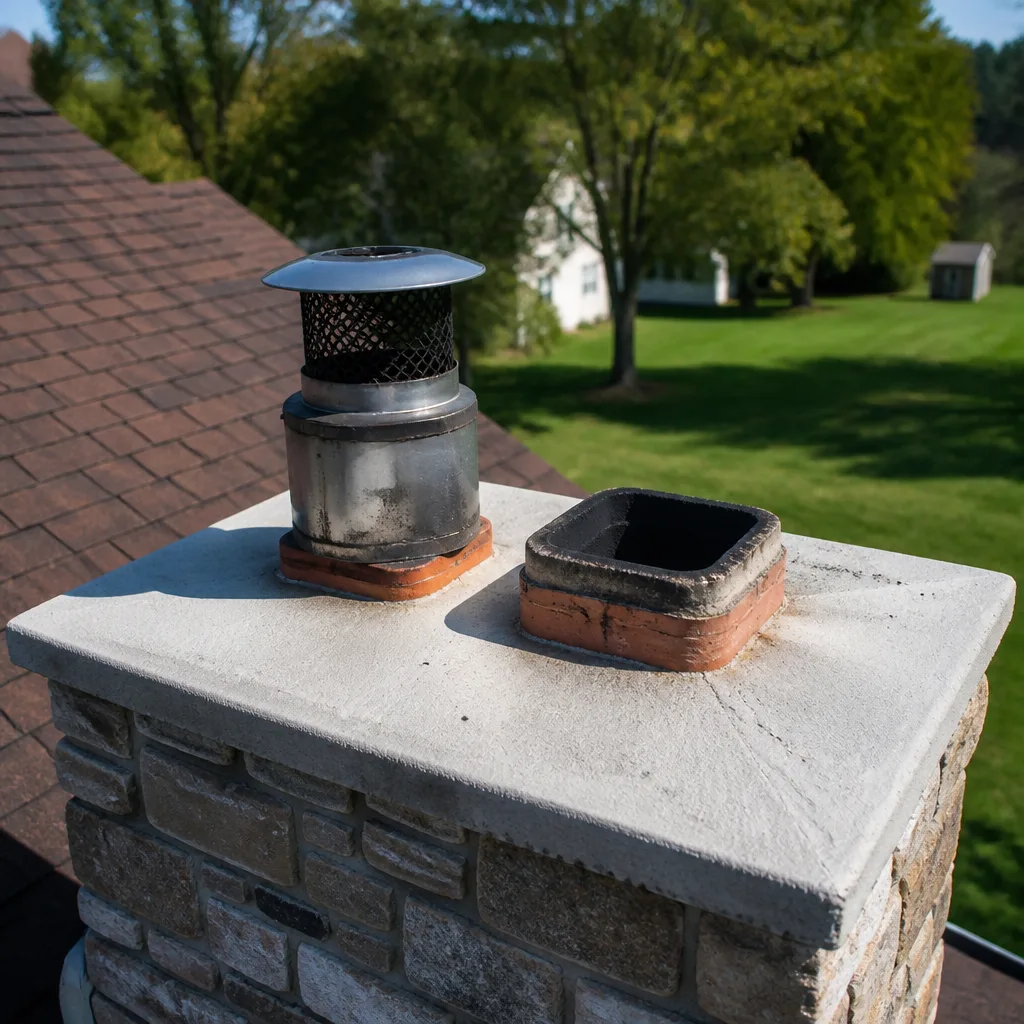 Sweep & inspection
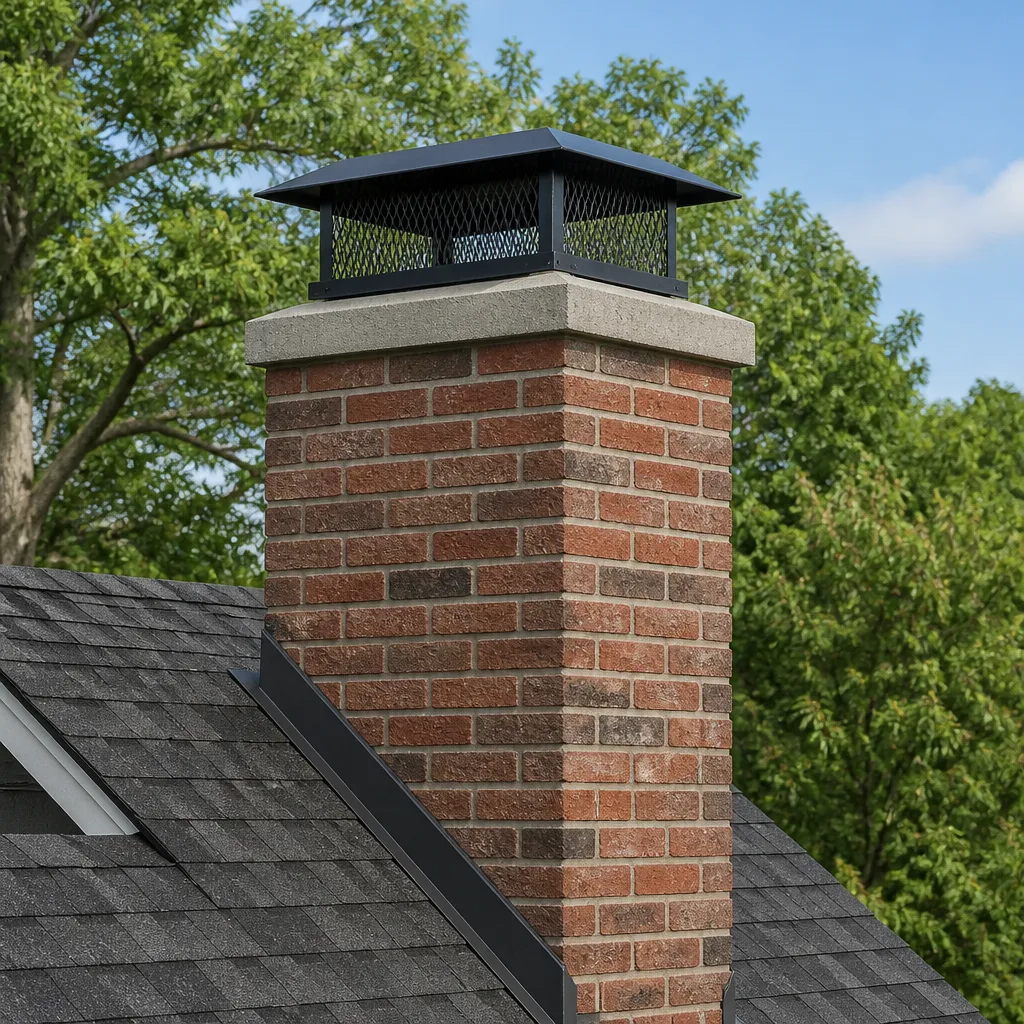 Caps & crowns
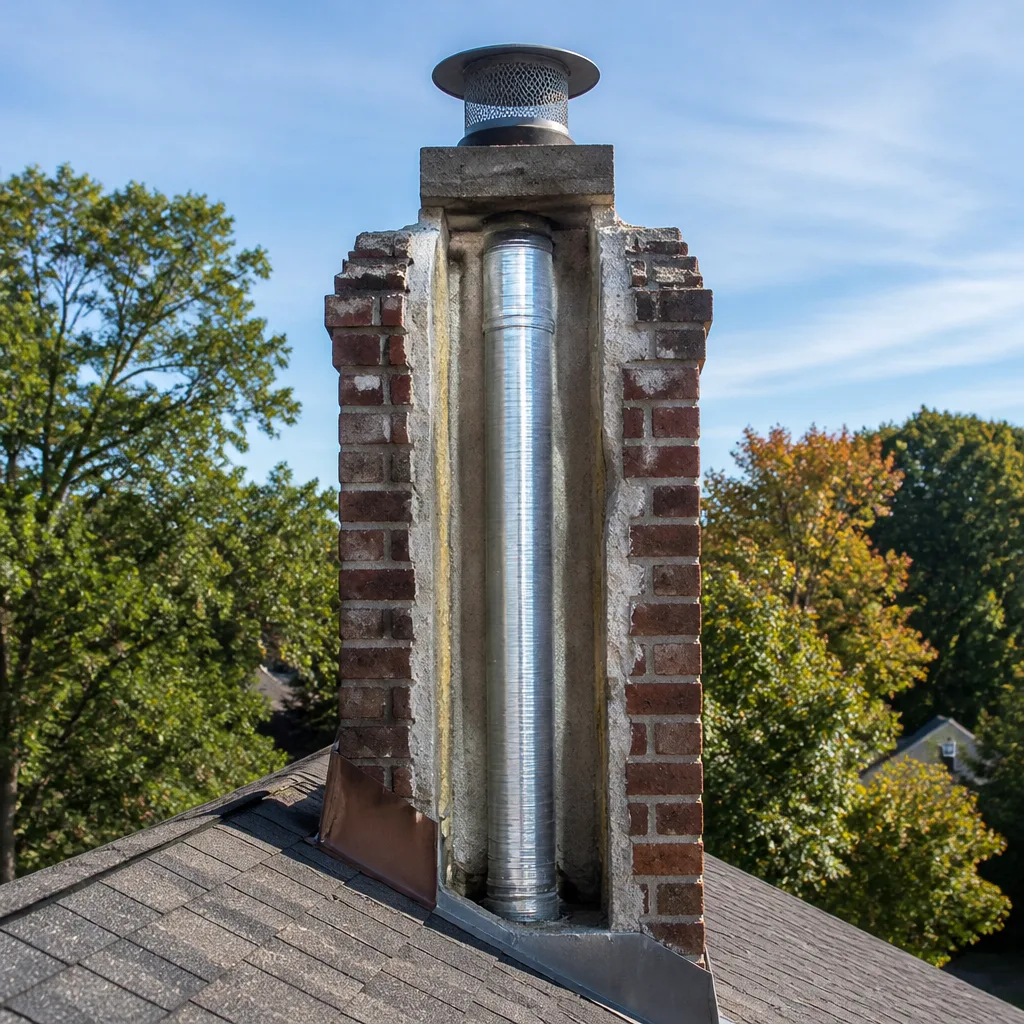 Flue relining
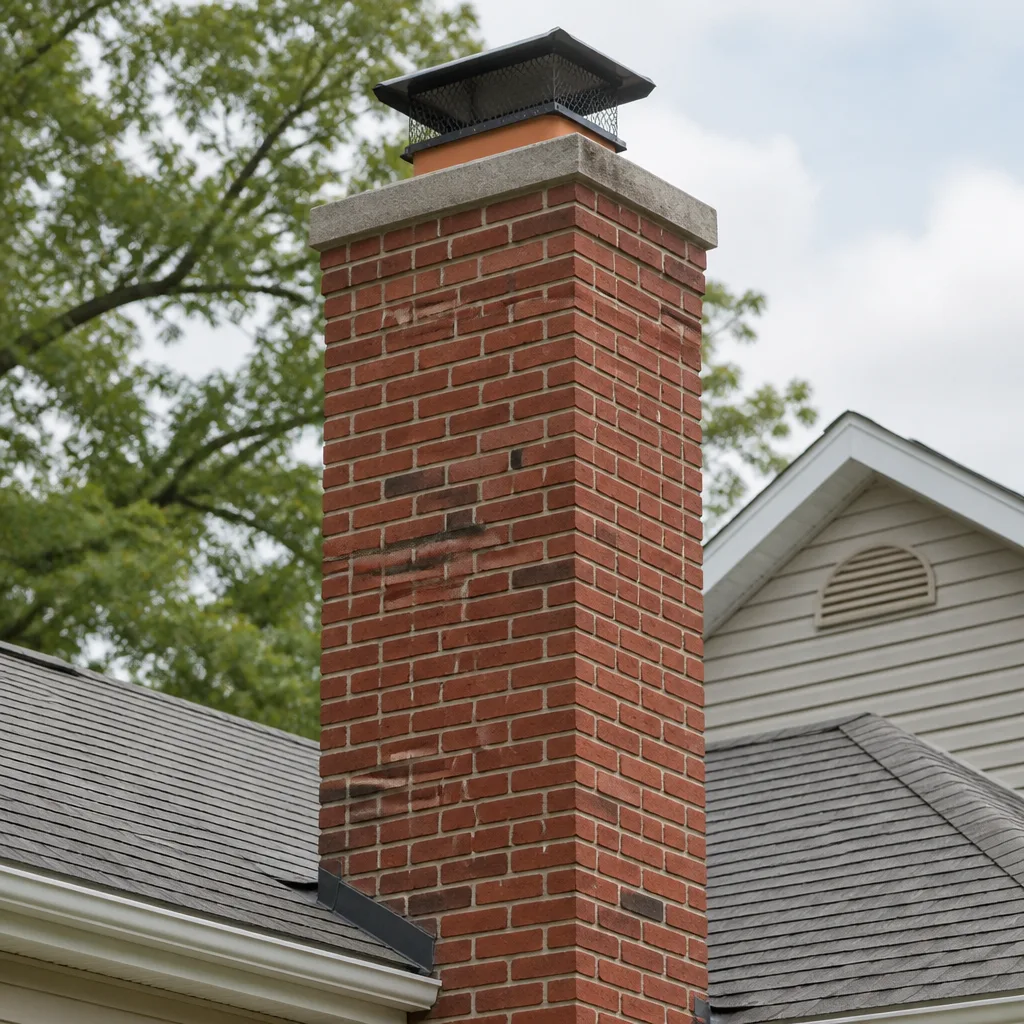 Masonry repair
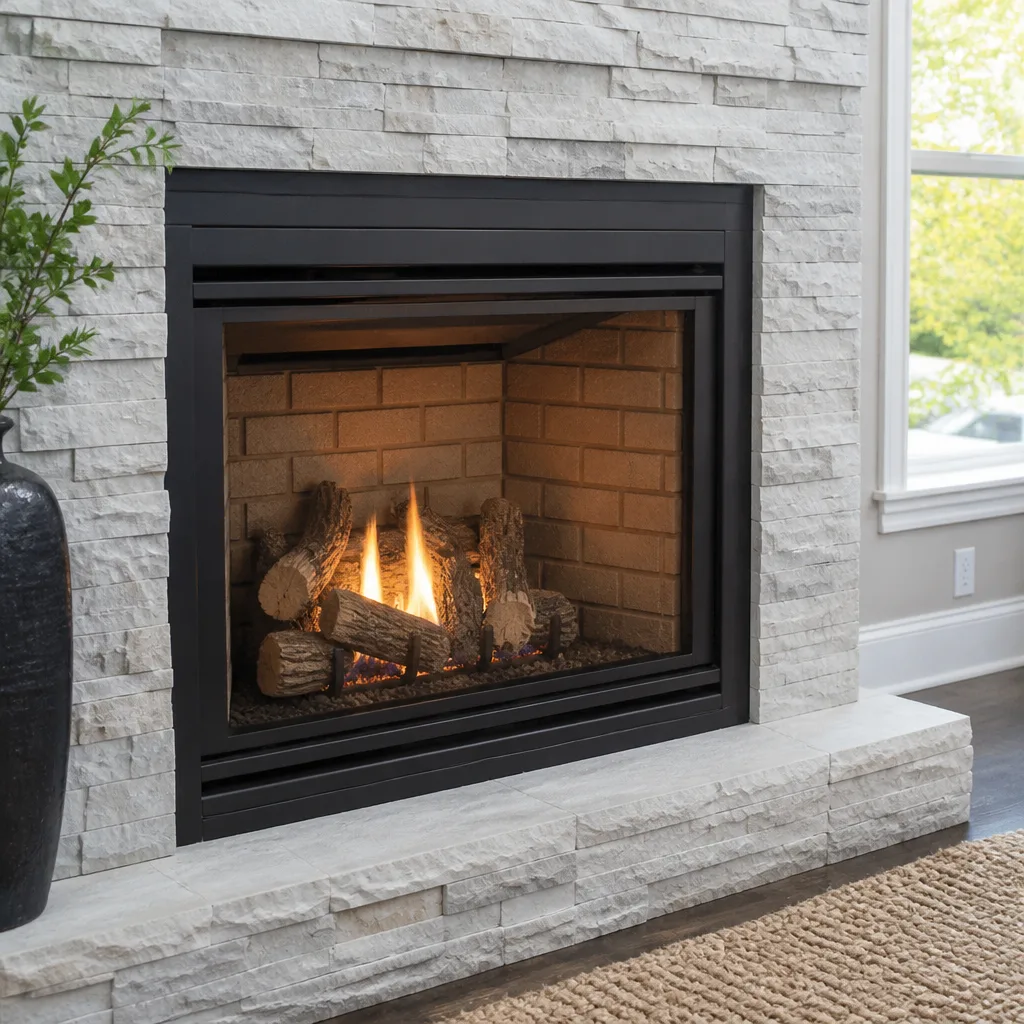 Gas fireplace service
Level 1 sweep and inspection to the NFPA 211 annual standard - flue, crown, cap, and flashing checked and photographed
Chimney sweep logs do not sweep chimneys. They loosen some creosote - which then falls where a brush and vacuum still have to collect it.
Chimney Cleaning Cost Breakdown: The Hell’s Kitchen Homeowner’s Reference for 2026
A $99 chimney cleaning special sounds reasonable until you understand what it usually covers: a fast flue brush pass, no camera inspection, no smoke chamber work, no written report, and no real assessment of the parts most likely to cause a house fire. “Chimney cleaning” is a catch-all term in this trade. It can mean a thirty-minute brush-and-go or a four-hour full-system service. Contractors aren’t wildly inconsistent on price; the words on the invoice are just vague. In this reference for Hell’s Kitchen homeowners, we break the price into line items, show what 2026 Manhattan rates actually look like, and explain how to read an estimate so a low bid doesn’t cost you more than a fair one.
Quick Answer
Chimney cleaning in Hell’s Kitchen typically runs $250 to $475 for a standard sweep with a camera inspection and written report, and $450 to $800 or more when the smoke chamber, damper, or cap needs attention in the same visit. A bare-bones flue brush pass alone can cost $150 to $275, but it tells you almost nothing about liner condition, crown integrity, or creosote buildup in the smoke chamber. The written estimate always sets the final price.
Styles & brands we work with
- Sweep & inspection
- Caps & crowns
- Flue relining
- Masonry repair
- Gas fireplace service
Table of Contents
- What “chimney cleaning” actually includes
- Line-item cost breakdown for 2026
- Why Manhattan prices run higher
- Deferred maintenance: the math
- How to read a chimney estimate
- Material transparency: what’s in your liner
- Common mistakes to avoid
- When to call a professional
What “chimney cleaning” actually includes
Most calls we get start with a question about the chimney sweep itself, so it’s worth being clear about what a competent cleaning covers. The flue is the main passage, but creosote collects in stages and deposits where brushes alone rarely reach: the smoke chamber, the damper shelf, the firebox throat, and the upper third of the flue where the gases cool and condense. A real full-system cleaning addresses all of those areas, and it produces documentation you can hand to a future buyer or an insurance adjuster if the chimney is ever challenged.
Here’s how a thorough job usually breaks down:
- Setup and containment. Drop cloths, a shop-vac rated for fine soot, and sealing of the firebox opening so airborne dust stays out of your apartment or house.
- Flue brush pass. Sized brushes on flexible rods work the full length of the flue from the roof or an access panel, depending on the chimney’s construction and whether the building is a walk-up or a high-rise.
- Smoke chamber cleaning. This is the sloped area above the damper where creosote glazes. A brush alone doesn’t get it off.
- Firebox and damper cleaning. Ash, soot, and any debris that’s fallen onto the damper shelf.
- Video camera inspection. A scope run the length of the flue from the top down, with a photo report you keep.
- Cap and crown check. Since water intrusion, not fire, is the leading cause of chimney deterioration, this isn’t optional.
When a company quotes “chimney cleaning” for $99 or $150, ask which of those six steps are included. In our experience, most cheap quotes cover step two and drop the rest. That’s not a scam automatically. It’s just a different product, and it doesn’t tell you whether your flue is safe to use before the burning season starts.
Line-item cost breakdown for 2026
Below are typical Hell’s Kitchen price ranges for each component. These are estimates, not quotes. Building-specific factors (chimney height, roof access, liner condition) move the numbers, and the written estimate you receive is what sets the final price. For reference: a full Chimney Sweep Hell’s Kitchen service call covers inspection, cleaning, and a written report for the standard range.
| Service component | Typical 2026 range | When it’s needed |
|---|---|---|
| Flue brush pass only | $150 – $275 | Annual maintenance on a clean flue with no known issues |
| Full sweep with smoke chamber + firebox | $250 – $475 | Standard annual cleaning; any chimney used heavily |
| Video camera inspection + photo report | $150 – $300 | Before and after any repair; annual best practice |
| Damper repair or replacement | $250 – $650 | Damper stuck open or closed, rusted, or out of alignment |
| Liner assessment (inspection only) | Included in inspection | Always; the liner is the safety barrier of the whole system |
| HeatShield ceramic flue resurfacing | $1,400 – $2,800 | Liner cracked or spalling but sound enough to resurface |
| Full liner replacement (DuraFlex system) | $3,200 – $6,500 | Liner failed, inappropriate for the appliance, or unsafe to resurface |
| Cap installation (standard) | $250 – $500 | No cap present, or an existing cap that’s rusted or damaged |
| Crown repair | $350 – $850 | Hairline cracks in the crown; minor re-sealing |
| Crown rebuild | $800 – $1,800 | Crown broken, spalling, or leaking into the flue |
The numbers show the real point: cleaning is cheap by chimney standards. Repairs and liner work are where the money lives. A $250 cleaning with a camera inspection that catches a hairline crown crack before it reaches the flue saves the $3,500 liner replacement that moisture damage eventually triggers. That trade-off shows up repeatedly in Hell’s Kitchen buildings, where flat roofs and shared chimneys mean crown repair can’t wait the way it might on a freestanding suburban stack.
Why Manhattan prices run higher
Comparing a $199 quote from a Westchester chimney company to a $375 quote in Hell’s Kitchen isn’t apples to apples. Several real costs stack up in Manhattan that don’t exist in the suburbs.
- Labor rates. Licensed chimney technicians in NYC command higher wages than in most of the country. A crew of two working three to four hours on a proper job means the labor line alone is meaningful before any equipment touches the flue.
- Parking and access. A crew that has to circle Hell’s Kitchen blocks for twenty minutes hunting a legal spot, or pay a garage, has real overhead the suburban quote doesn’t carry. This shows up as $40 to $80 on a typical estimate.
- Building access and roof safety. Walk-ups with roof hatches, high-rises with roof doors that need super approval, chimneys shared across multiple flues: each adds time and coordination. A chimney on a fifth-floor walk-up with a tight roofscape takes longer to set up safely than a suburban ranch.
- Permits where required. A full liner replacement or crown rebuild may trigger a permit with NYC’s Department of Buildings, and permit handling has a real cost. If a bid excludes permits, ask why.
- Height and equipment. Higher chimneys need more brush length, taller ladders, or a different approach entirely. Some Hell’s Kitchen buildings require scaffolding or swing-stage access for crown work at the roofline.
A legitimate upcharge will be itemized and explained. “Because it’s Manhattan” isn’t an answer; “because the roof access requires a building escort and an extra tech for safety” is. Ask for the specific reason each line item is priced as it is. For more on this, see our chimney cap & crown guide, which details what roof-level work typically involves.
What a legitimate upcharge looks like vs. a padding tactic
A legitimate upcharge names a concrete cost: extra labor for high-roof access, a permit fee for the building department, or a special-order material. A padding tactic is vaguer. “Environmental disposal fee,” “fuel surcharge,” “materials markup” with no line detail, or a “recommended” add-on package thrown onto the estimate without a justification tied to what the inspection found. If you can’t tie a line item to a specific finding in the camera report or a specific city requirement, ask. In our experience, a company with a real diagnostic process can point to the exact flaw, show you a photo of it, and connect the price to the fix.
Deferred maintenance: the math
The single biggest cost decision in chimney ownership is whether to keep up annual cleaning. Skip three years of cleaning and dehumidification of the crown, and you can realistically face a full liner replacement. Here’s the two-path comparison, using the ranges from the table above.
| Scenario | Cost over 5 years | What happens |
|---|---|---|
| Annual cleaning (recommended) | ~$1,250 – $2,375 (5 × $250 – $475) | Minor repairs caught early; flue stays at proper clearance; liner lasts |
| Skipping cleaning | ~$3,200 – $6,500 liner + $250 – $475 original cleaning when damage is found | Moisture reaches the flue; crown cracks progress; creosote glaze in the smoke chamber; liner cracks and needs fixing or replacement |
The gap is roughly $2,000 to $4,000 in five years on the worst-case path, and that’s before accounting for water damage to interior masonry or the cost of putting off a usable fireplace for a full season. Those numbers are the argument for regular cleaning. Not “you have to” as a pitch; because the arithmetic is on the side of keeping up with it.
There’s a real safety point too, and it’s worth stating plainly. Creosote in the smoke chamber and flue is flammable. A chimney fire is a specific, recognizable event, not a vague danger, and it starts in exactly the areas a fast brush pass never touches. Carbon monoxide risk is tied to a blocked or failed flue that no longer vents properly. Neither gets caught by a thirty-minute cleaning with no inspection. A trained technician running a camera the full length of the flue is how those hazards surface before they become an emergency.
How to read a chimney estimate
A low chimney bid is often more expensive in practice because the scope is silent on the components most likely to fail. Here’s the checklist we’d use if we were hiring someone else to work on our own chimney.
- Does the scope list each component separately? Flue, smoke chamber, firebox, damper, crown, cap should each be named. A bid that says “clean and inspect chimney” is vague by design.
- Is the inspection documented? You should receive a photo or video report, not a verbal “looks fine.” Confirm this before you book.
- Are the materials specified by brand? “Chimney cement” tells you nothing. A professional-grade product (DuraFlex liner, HeatShield ceramic, Copperfield cap) tells you exactly what’s going on your building.
- Is the permit line visible? If the job requires a city permit, either the estimate includes it or the estimate should say permits are the owner’s responsibility. Ambiguity becomes a surprise line item later.
- Is the payment structure stated? A deposit-and-balance structure is normal. Full payment in advance is not, and it’s a red flag.
- Is the warranty clear? A liner or cap installed by a specialist usually carries a product warranty from the manufacturer, plus a workmanship term from the company. If neither is in writing, ask.
- Is documentation of the current condition attached? A credible estimate references specific findings from an inspection (“flue tile joint at 12 ft, crown hairline crack at northwest corner”) rather than general recommendations.
One more test: a bid that offers to skip the camera inspection to save you $200 is a bid that’s asking you to trust the results without seeing them. We don’t recommend it, and it’s part of why camera inspection and photo report are standard in our process, not an add-on. If a scope can’t tell you what it’s fixing and show you how it found the problem, the low price is the setup, not the deal.
Material transparency: what’s in your liner
Liner materials are where estimates diverge most sharply, and where the price gap often has nothing to do with the amount of work. A few material facts worth knowing before you sign anything.
Professional liner systems
When a full liner replacement is necessary, the materials that make the difference are things like DuraFlex stainless liners, which are UL-listed for the specific appliance and venting arrangement, and HeatShield ceramic resurfacing, which restores a deteriorated clay flue without requiring the full liner to come out. HeatShield is a specialized method beyond standard relining; when the liner is still structurally sound but has spalling or cracked joints, resurfacing can bring it back rather than replacing it outright. That’s the cost option many competitors can’t perform.
Cap and crown materials
At the top of the chimney, Copperfield stainless caps and a properly formed crown do most of the work of keeping water out. A generic hardware-store cap that rusts in five years is a false economy; the chimney suffers long before the cap is visibly failing, because water finds its way down the flue and starts eating the liner joints. Gelco crown repair materials belong in the same category: made for the specific job, expected to last the way a sealed stone or poured crown should.
The point isn’t brand loyalty. It’s that the material cost is small relative to the labor and the consequence. A $450 price differential between two liner quotes is a few percent of the installed price and a several-thousand-dollar difference in expected life if one quote uses an unlisted stainless steel from an unknown mill and the other uses a DuraFlex system. Ask which brand goes in. If the answer is “reputable,” that’s not an answer.
Common Mistakes to Avoid
- Booking the cheapest sweep on a coupon site without knowing the scope. A $99 special that doesn’t include camera inspection or smoke chamber cleaning is more of a smoke test than a service. You’ll still need the real cleaning elsewhere, so the total cost goes up, not down.
- Skipping the inspection to save $200. The inspection is how you learn you need a liner before your first fire, not after. In a Hell’s Kitchen walk-up where a chimney fire means evacuating a whole building, that calculation doesn’t hold up.
- Treating a crown crack as cosmetic. Roof-level water intrusion is the leading cause of chimney structural damage. A hairline crack in the crown looks minor and lets in enough water to start breaking down flue joints within a season.
- Accepting a verbal “looks fine” instead of a written report. A camera report is your record of the chimney’s condition. It’s what protects you when you sell, and it’s what makes a warranty dispute resolvable.
- Using HVAC or general handyman quotes for chimney repair. Chimney work spans masonry, fire safety, and venting in a way that neither trade covers fully. An unqualified bid may seem cheap until the crown fails or the liner doesn’t meet clearance.
- Not asking whether the estimate includes permit costs. In NYC, liner and crown work may require a building department permit. A bid that omits the licensing and permitting side winds up costing more once the job is in progress.
- Booking the fireplace repair and chimney repair with different companies. A firebox rebuild and a flue repair need to be designed together. Splitting them across two trades is how mismatched scopes happen.
When to Call a Professional
Some chimney issues are safe to note and monitor. Others need a call before the next fire. The list below covers the cases where a professional inspection should happen before you burn again.
- Soot or black staining on the wall above the firebox or around the fireplace opening, which suggests drafting problems or backdrafting.
- A strong smoky smell in the room, especially on humid or damp days, which usually points to a blocked or deteriorated flue.
- Visible damage at the roofline: a cap that’s missing, rusted, or sitting askew; crown cracks you can see from the sidewalk; spalling brick on the chimney stack.
- A damper that won’t close, closes too easily, or rests unevenly when open.
- Water staining on the ceiling near the chimney breast, a classic sign that the crown or flashing has failed.
- A carbon monoxide alarm that goes off while the fireplace is in use. Leave the building and call the fire department first, then a chimney professional.
For a Hell’s Kitchen homeowner, the seasonal urgency is real: before the first cold snap of the burning season, when every building in the neighborhood wants its chimney checked the same week. Booking in late summer or early fall keeps the calendar open. For the full-service side of this, our team’s chimney repair work handles structural issues found during cleaning or inspection. Chimney Sweep Hell’s Kitchen offers free estimates in Hell’s Kitchen. Call (866) 947-8139. We answer 24/7, with fast dispatch from 7am to 7pm, Sunday through Friday.
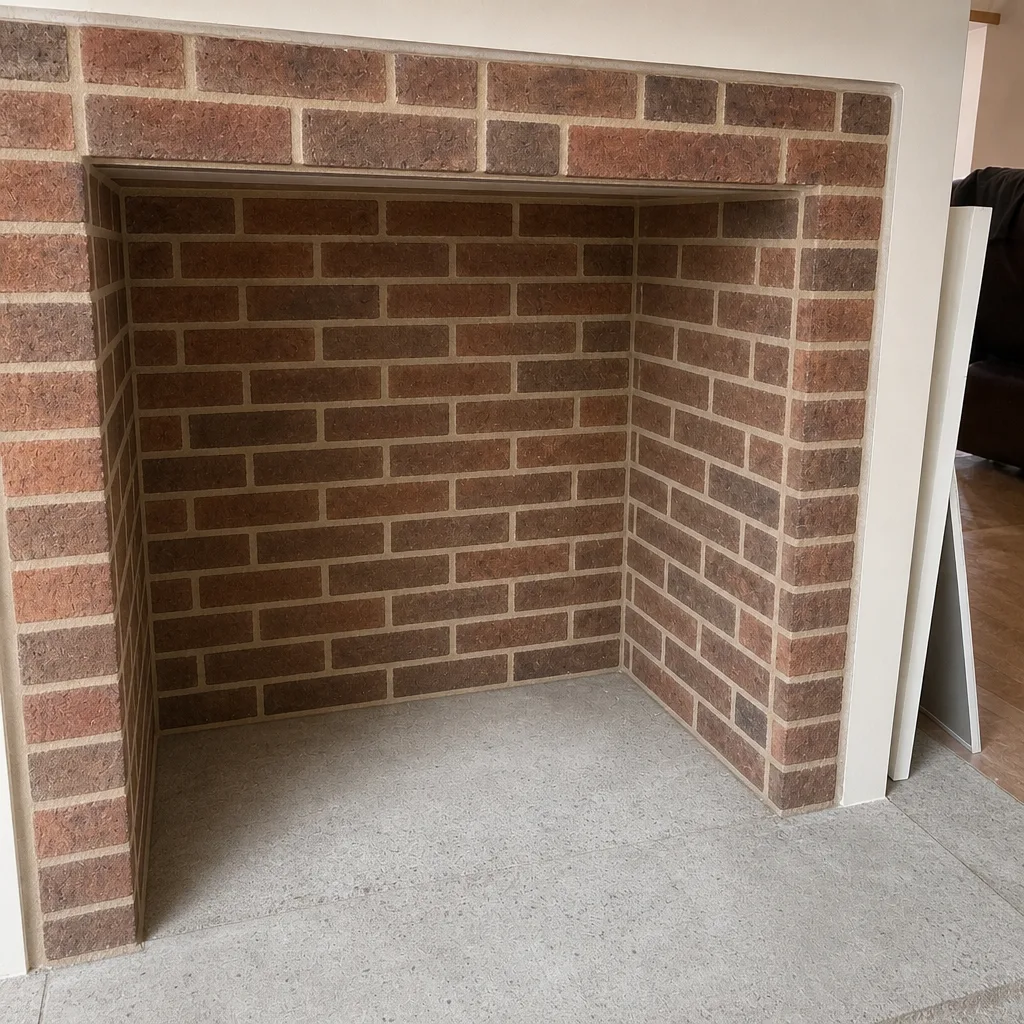
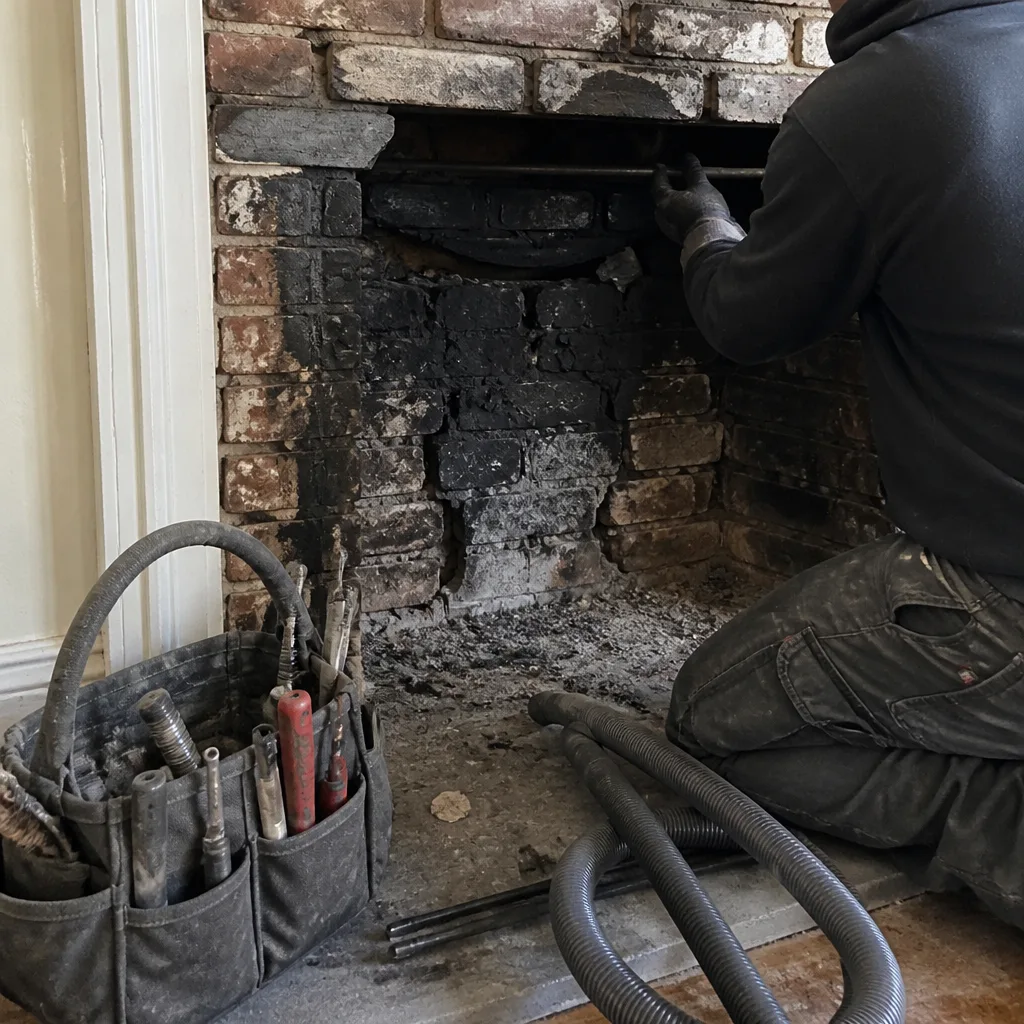
See the difference
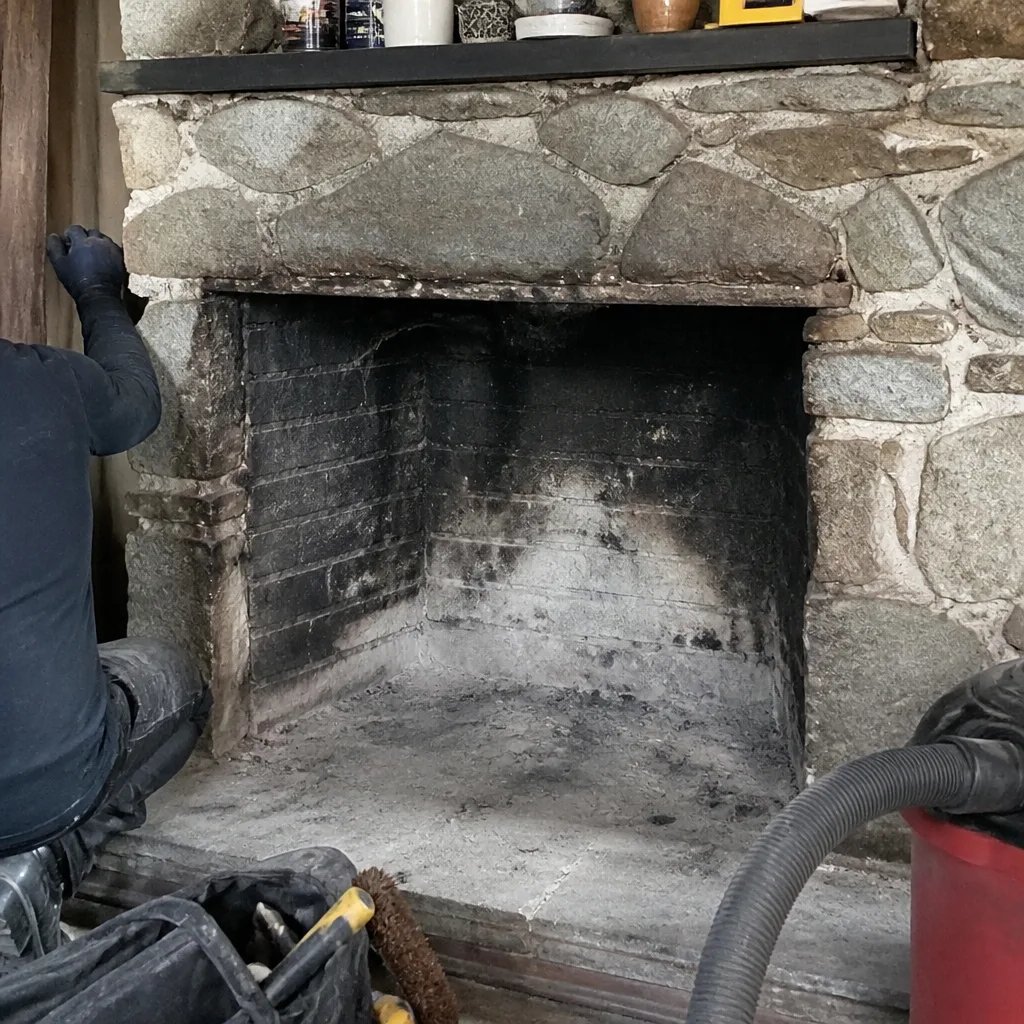 Before
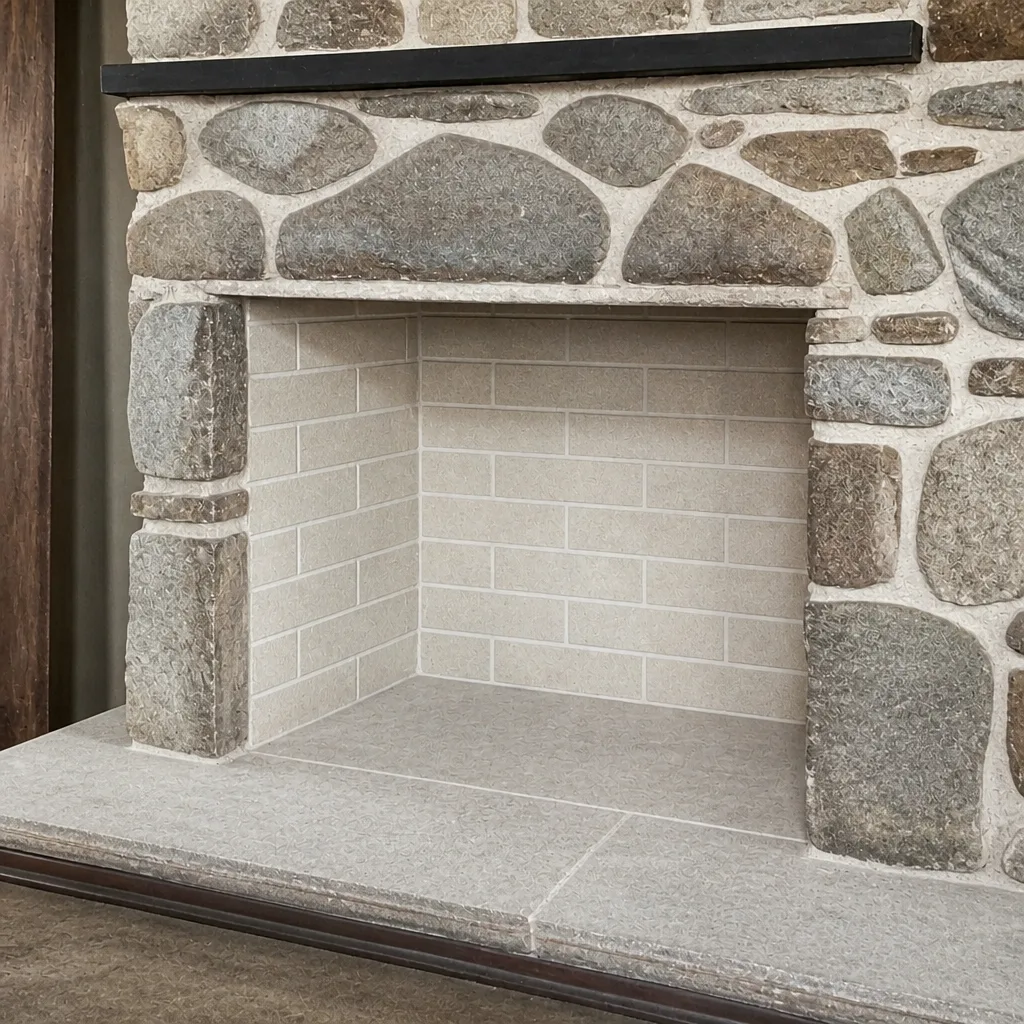 After
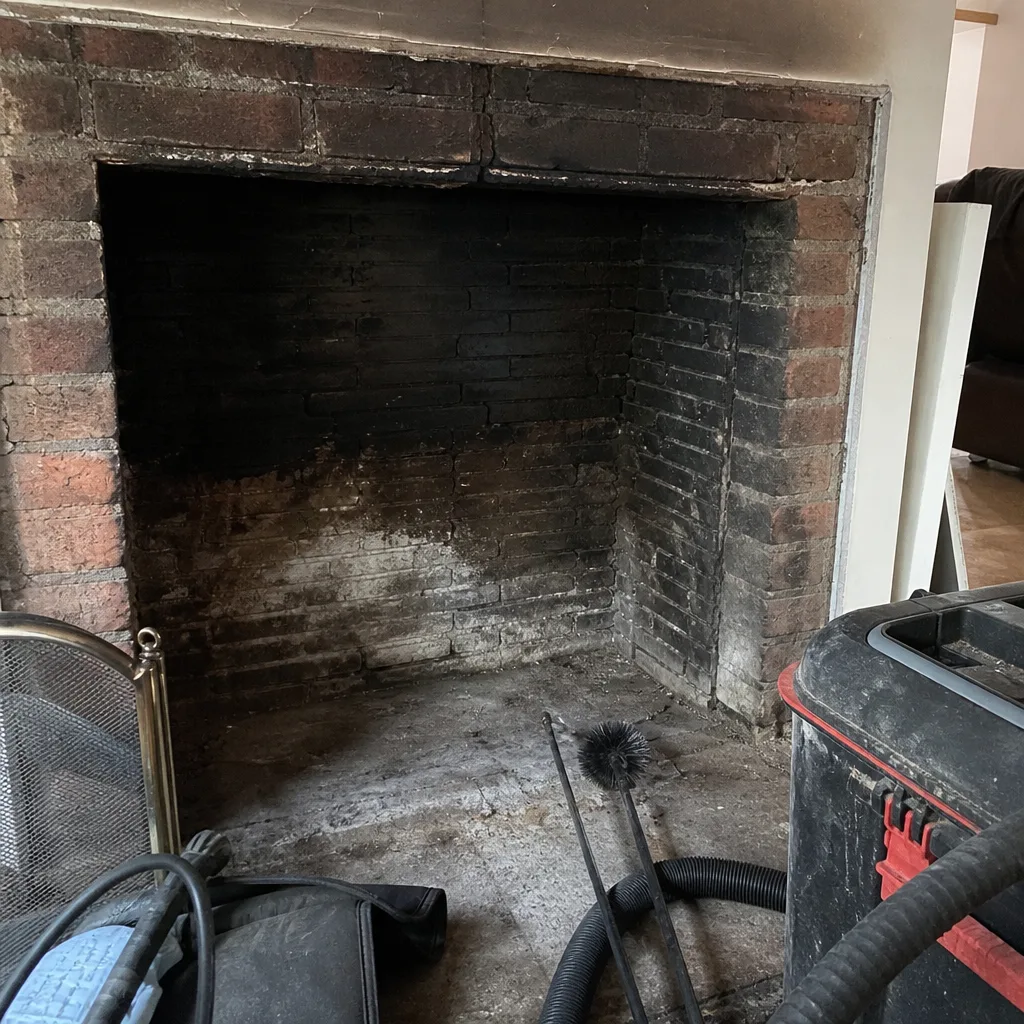 Before
 After
 Before
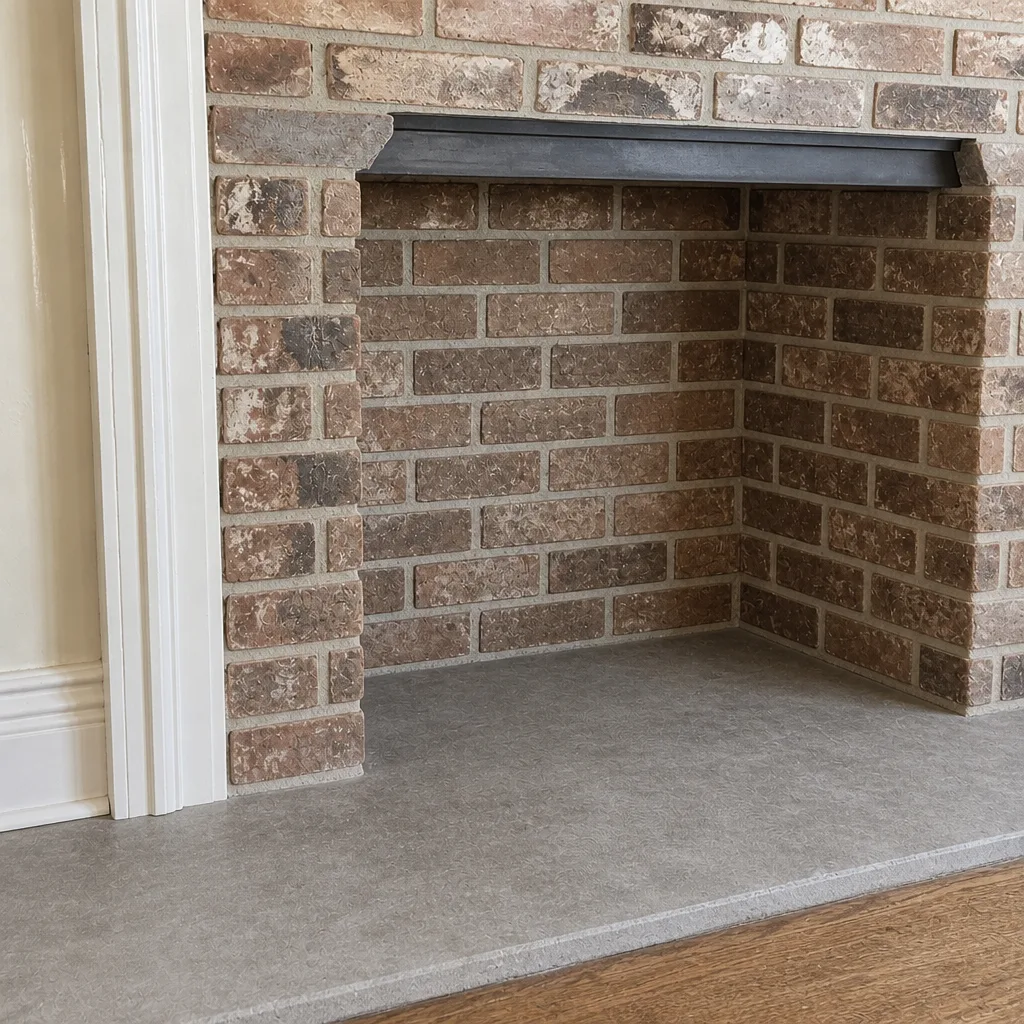 After
Frequently Asked Questions
A standard chimney sweep in Hell’s Kitchen typically costs $250 to $475 when it includes smoke chamber cleaning, a video camera inspection, and a written photo report. A brush-only pass without inspection can run $150 to $275, but it doesn’t tell you anything about liner condition or creosote in the smoke chamber. Call (866) 947-8139 for an exact quote. Estimates are free.
Not always. A camera inspection is the only way to know whether you need a liner replacement, a resurfacing, or nothing at all. When the flue tile is still structurally sound but has spalling or cracks, HeatShield ceramic resurfacing can often restore it for far less than a full DuraFlex liner. When the tile is broken, missing, or wrong for the appliance, a replacement is the safe choice. Call for an inspection with a written report so you can see the evidence before deciding. Estimates are free.
Once a year is the general standard for a chimney that’s used regularly, and more often if you burn daily through the heating season or burn unseasoned wood. For a Hell’s Kitchen fireplace used a few nights a week, an annual cleaning before the burning season is the typical cadence. A homeowner who hasn’t had a sweep in three or four years should book one before lighting the first fire. Call (866) 947-8139 to schedule.
Two things, specifically. Creosote builds up in the flue and smoke chamber, and a chimney fire is the failure mode of that buildup. Separately, the crown and cap fail quietly, letting water into the flue and breaking down the liner joints over a season or two. Neither gets caught without an inspection. A skipped year isn’t catastrophic; a skipped decade usually means a liner replacement, which runs $3,200 to $6,500. Call for a cleaning before the burning season. Estimates are free.
The main reasons are labor rates, parking, building access, and permit overhead, not a Manhattan markup for the sake of it. A crew working on a Hell’s Kitchen walk-up with a roof hatch, a shared chimney, and hard parking has more real cost per job than a suburban company on a freestanding stack. Ask for each line item to be explained. If a quote can’t justify the difference, that’s a different problem. Call (866) 947-8139 for an itemized estimate you can compare line by line.
A proper estimate names each component (flue, smoke chamber, firebox, damper, crown, cap), specifies the brand and product of every material, states the permit obligation clearly, and attaches a written condition report from the inspection. It should state the total as an estimate, not a cap, with the written estimate setting the final price. If a bid is missing any of those elements, treat it as an unknown, not a bargain. Call for a scope you can compare. Estimates are free.
The Bottom Line
Chimney cleaning in Hell’s Kitchen runs $250 to $475 for a real full-system sweep with inspection and report, and $150 to $275 for a flue brush pass that tells you almost nothing. The repairing work that follows a neglected chimney, liner replacement or crown rebuild, runs into the thousands. Manhattan prices are legitimately higher than suburban ones for real, itemizable reasons: labor, access, parking, permits. What separates a fair estimate from a cheap one isn’t the number at the bottom. It’s whether the scope names the components, specifies the materials (DuraFlex, HeatShield, Copperfield, Gelco, not “chimney cement”), includes camera inspection and a written report, and shows you the evidence behind every recommendation. For a system this well understood, the estimate should be equally clear.
Contact Us
If you’re ready to know what your chimney actually needs before the burning season, we can help. Chimney Sweep Hell’s Kitchen covers the full system: cleaning, inspection, cap and crown, repair, and fireplace work, with professional-grade materials from the brands specialists trust. Our technicians have up to 14 years of experience, and the inspection findings go directly to the repair team under one roof. Call (866) 947-8139 for a free estimate. We answer 24/7, with fast dispatch from 7am to 7pm, Sunday through Friday. We’re closed Saturday; a call that comes in Saturday is booked into the next opening. You’ll get an honest scope, a written report, and a price that only changes if the inspection finds something the estimate couldn’t have known about in advance.
Written by the team at Chimney Sweep Hell’s Kitchen.