
Last updated November 25, 2026
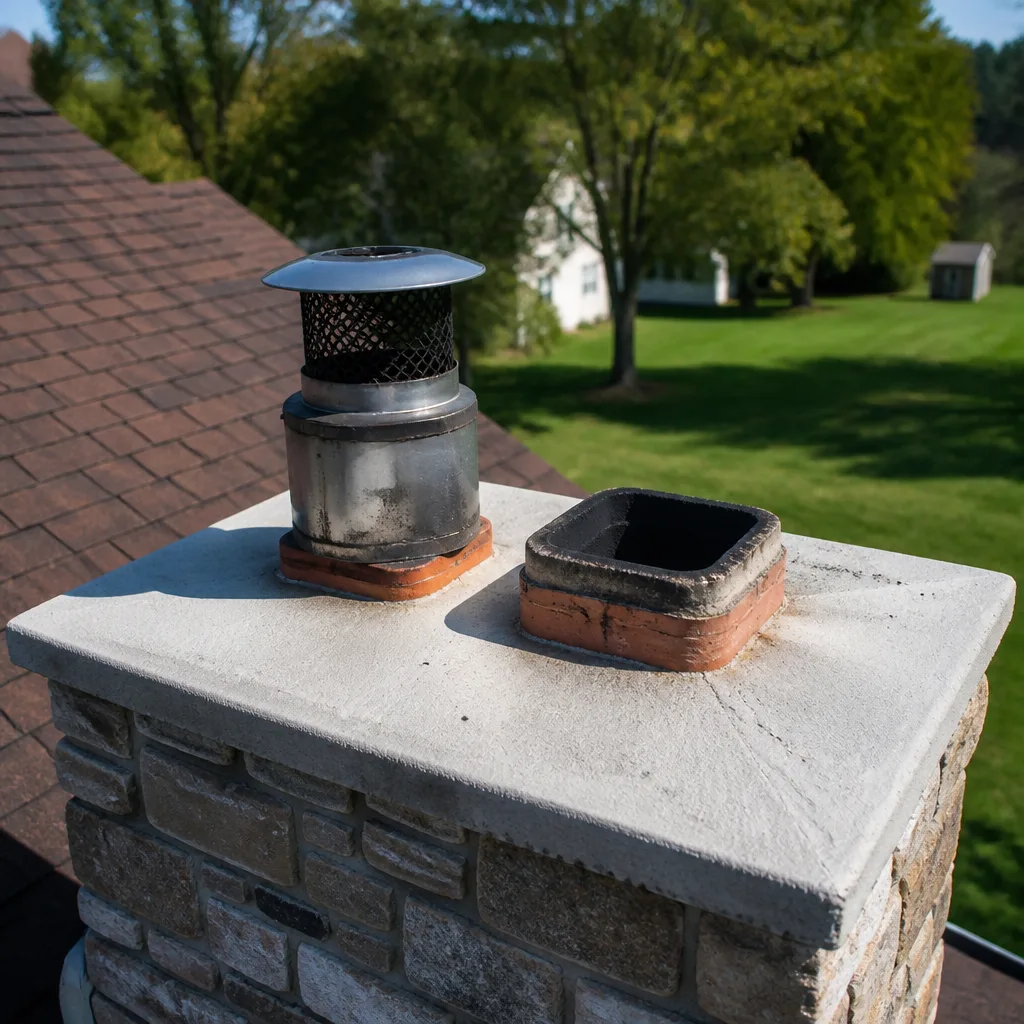 Sweep & inspection
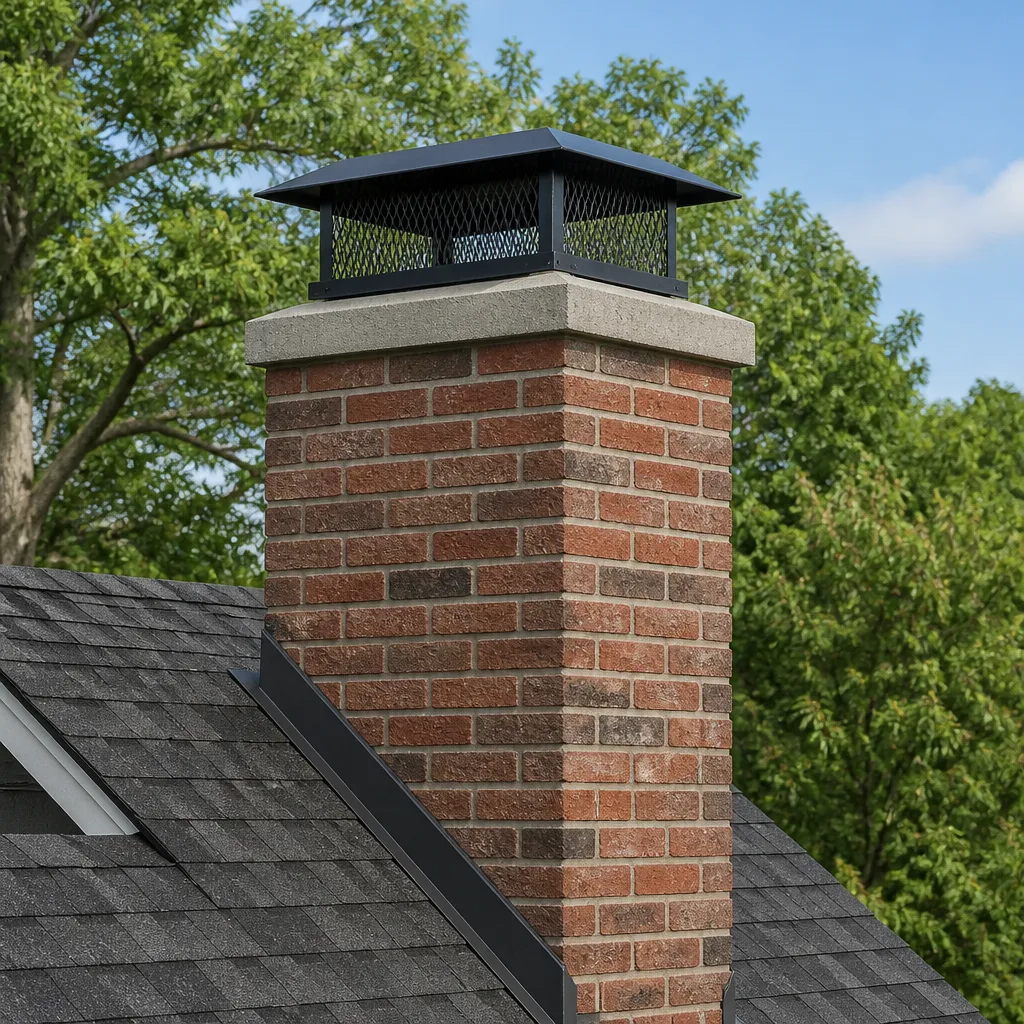 Caps & crowns
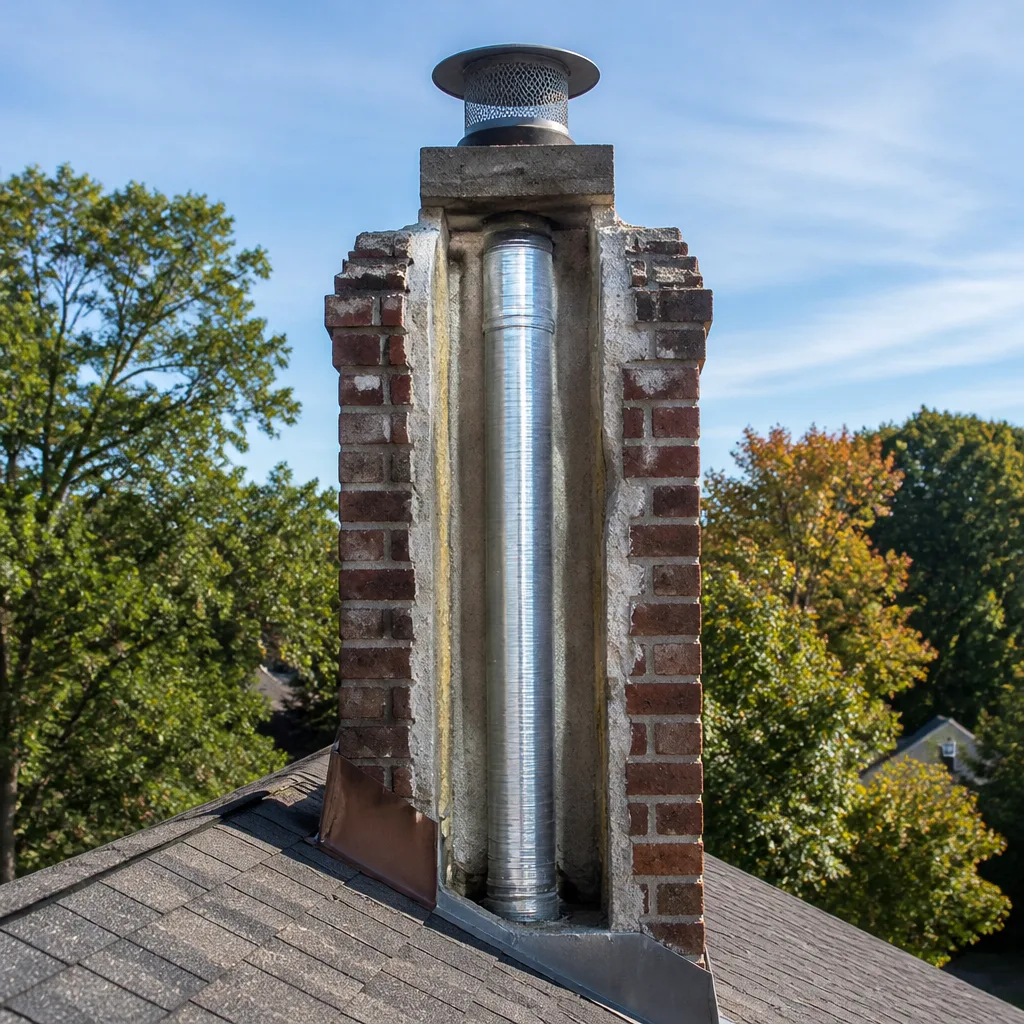 Flue relining
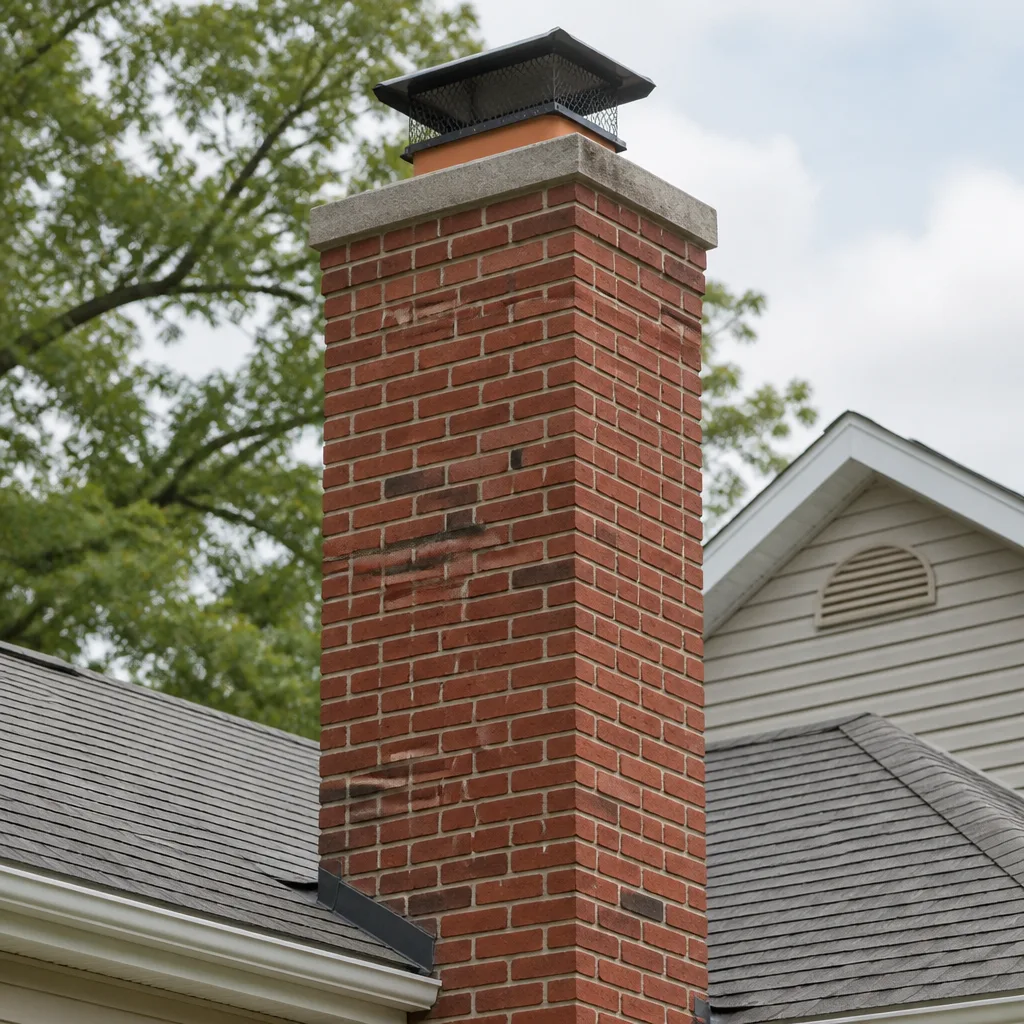 Masonry repair
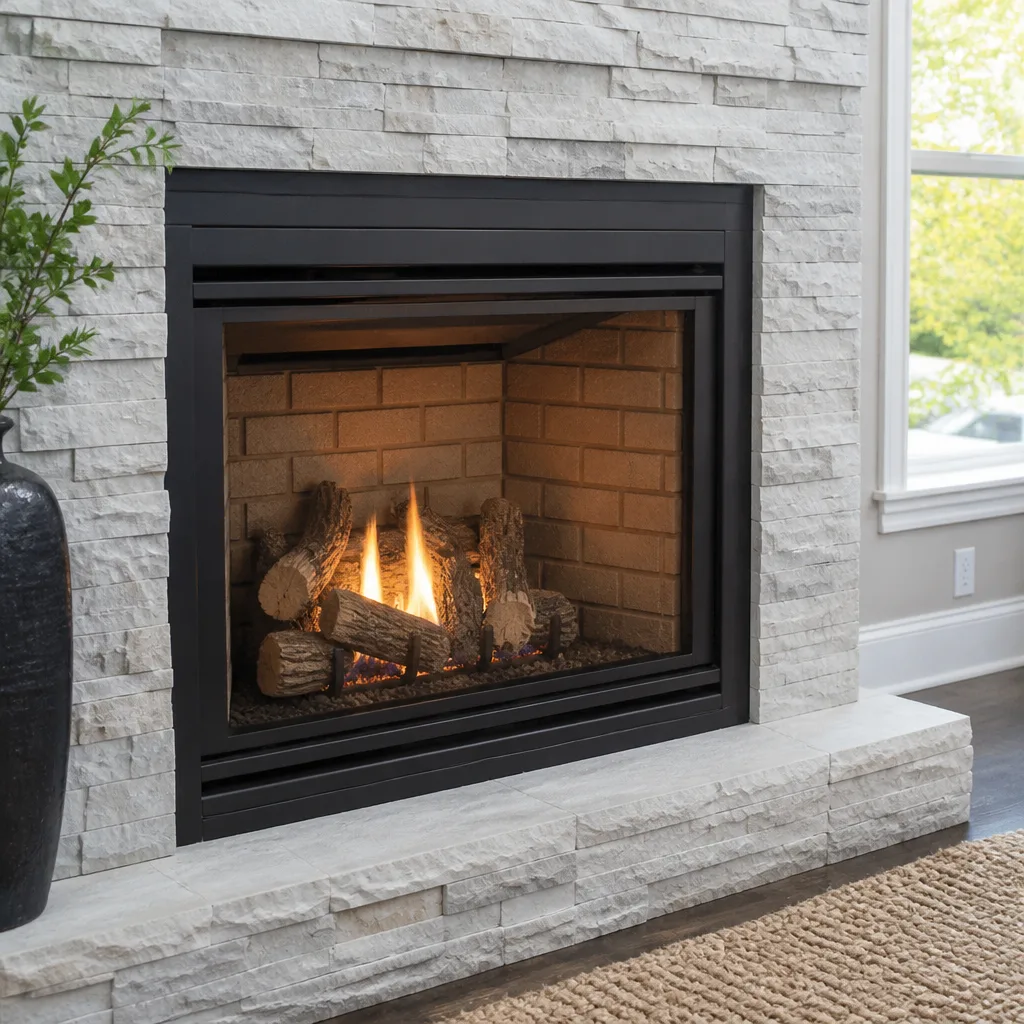 Gas fireplace service
Level 1 sweep and inspection to the NFPA 211 annual standard - flue, crown, cap, and flashing checked and photographed
Chimney sweep logs do not sweep chimneys. They loosen some creosote - which then falls where a brush and vacuum still have to collect it.
Chimney Sweep Troubleshooting in Hell’s Kitchen: Common Problems and How to Fix Them
Smoke backing into your living room isn’t a draft problem. It’s a symptom with at least six distinct causes, and treating the wrong one means you’ll be calling someone again in six months. Here’s the pattern we see most often in Hell’s Kitchen: a homeowner treats a smoke problem by opening a window, a chimney company runs a brush down the flue, and the smoke returns the following winter because the actual failure was never diagnosed. This guide maps symptoms to causes for the building stock in this neighborhood, explains which problems a cleaning fixes, which need repair, and which need a real structural correction, and shows you what you can safely check yourself. If you take one thing from this, make it this: diagnose before you clean.
Quick Answer
Most chimney problems in Hell’s Kitchen trace to a small set of upstream causes: a blocked or undersized flue, a failing damper, a damaged crown or missing cap letting water in, or a cracked flue liner that disrupts draft and releases combustion gases. Each symptom (smoke rollback, odor, slow ignition, visible cracking) points to a specific cause, and fixing the symptom alone rarely solves the problem. A full-system diagnosis – sweep, inspection, and repair under one roof – is what actually resolves it.
Styles & brands we work with
- Sweep & inspection
- Caps & crowns
- Flue relining
- Masonry repair
- Gas fireplace service
Table of Contents
- How do I match a chimney symptom to its actual cause?
- Why do pre-war Hell’s Kitchen buildings fail differently?
- Cleaning fix, repair fix, or rebuild fix: which are you in?
- What can you safely inspect yourself?
- Why fixing one component without auditing the whole system moves the problem
- What causes smoke rollback, and how do you correct it?
- Why does the chimney smell even when it’s not in use?
- Common mistakes to avoid
How do I match a chimney symptom to its actual cause?
Start with the symptom, not the flue. In our experience, homeowners arrive with a symptom and a guess at the cause, and the two are often different. Smoke rollback and a persistent odor can share the same root problem – a draft failure caused by a blocked, undersized, or damaged flue – or they can come from completely separate issues. Mapping the symptom correctly is the first step to avoiding a repeat visit.
- Smoke rolls back into the room when you light a fire. Likely causes: a partially closed damper, a flue blocked by soot or a bird nest, a flue that’s too short or narrow for the firebox, negative pressure from bathroom or kitchen exhaust fans pulling air down the chimney, or a firebox opening that’s oversized relative to the flue. In Hell’s Kitchen, a shared or previously converted flue is a common culprit.
- A persistent smoky or creosote smell when the fireplace is off. Likely causes: soot and creosote residue on the flue walls, a missing or damaged cap letting air and moisture in, a downdraft from a cold flue, or water intrusion through a failing crown.
- Slow ignition or a fire that struggles to draw. Likely causes: a cold flue that needs a warm-up (small starter fire will tell you), a partially blocked flue, or a firebox that’s sealed too tightly for the chimney to draft properly.
- Visible cracking inside the firebox or on the flue. Likely causes: thermal stress on the firebox masonry, a failing mortar joint, or a cracked flue liner. Do not use the fireplace until a professional has assessed it.
- Chimney exterior damage – cracked crown, missing mortar, water stains. Likely causes: water intrusion at the crown or flashing, freeze-thaw cycling, or a missing chimney cap.
- Animal noise or debris in the chimney. Likely causes: a missing or damaged chimney cap & crown that lets birds and squirrels enter.
Notice how many of these overlap. That overlap is why we diagnose the full system rather than chasing a single symptom. A crack in the flue liner can cause both slow draft and smoke rollback; the standard cleaning itself won’t touch it. Our technicians have up to 14 years of experience reading these signals, and the correct fix almost always starts with a proper inspection rather than a brush.
Why do pre-war Hell’s Kitchen buildings fail differently?
Hell’s Kitchen’s building stock – mostly pre-war walk-ups and mid-rise apartment buildings – creates chimney failure modes you won’t find in a suburban house. A freestanding suburban chimney has its own dedicated flue, generous clearance, and a firebox sized for the flue. In a pre-war building here, almost none of that is true. The chimneys were often built with multiple flues stacked in a single stack, shared between units or converted from coal to gas to wood over decades. Fireboxes are narrow. Ceiling heights in some units sit lower than the flue’s expected draft length. And the flue liners in older buildings may be original clay tile, unlined brick, or a previous owner’s attempt at a fix.
Here’s what that means in practice:
- Shared flues. A flue serving more than one unit is a draft and safety problem. Smoke and combustion gases can migrate between units, and cleaning one side doesn’t guarantee the other is safe. Any time we find a shared flue in a Hell’s Kitchen building, we flag it early.
- Low ceiling heights and shallow fireboxes. Fireplaces in Hell’s Kitchen apartments often sit in rooms with lower ceilings than the chimney was originally designed for. That changes the draft dynamics, and a flue that drafts fine in a taller room can struggle here.
- Narrow fireboxes that were never sized for a modern fire. An original coal firebox is shallow and narrow. Homeowners sometimes load in larger wood or add a grate that changes the fire geometry, and the firebox can’t move enough air to feed the fire or the flue can’t handle the smoke volume.
- Original liners with no documentation. In many Hell’s Kitchen buildings, especially older walk-ups, the flue has been through at least one conversion (coal to gas, gas to wood) and the current liner may be original clay, unlined brick, or a repair of unknown age. Without a camera inspection, there’s no way to know what’s actually in the flue.
- Weather on the roof, water inside the wall. The freeze-thaw cycle in a New York winter works on brick and mortar every year. A crown that looked fine in October can crack by February, and the water that gets in has nowhere to go but down through the chimney masonry or into the ceiling below.
The practical takeaway: a Hell’s Kitchen chimney needs a diagnosis tailored to a pre-war building, not the standard sequence from a suburban brochure. That’s why we lead with a chimney inspection that includes the whole stack, not just the firebox.
Cleaning fix, repair fix, or rebuild fix: which are you in?
Every chimney problem falls into one of three categories, and knowing which category you’re in tells you what kind of visit you actually need. Getting this wrong is why some homeowners pay for a sweep that doesn’t solve anything.
- Cleaning fix. If the flue is sound and the cause of the symptom is an accumulation of soot, creosote, or debris, a proper sweep resolves it. Signs you’re in this category: the chimney hasn’t been cleaned in a while, the fire draws poorly but consistently, or the smell is close to the firebox and dissipates after a sweep. A chimney sweep is the right call here, and you don’t need repair work.
- Repair fix. If the cleaning reveals damage to a component – a cracked crown, a missing cap, a failed mortar joint, a damaged firebox brick – repair is the work. Signs you’re in this category: smoke or odor persists after a sweep, you see cracks in the firebox or crown, water stains appear on the masonry or ceiling, or the damper no longer seats properly. This is where chimney repair comes in, and it’s often the fix most people actually needed all along.
- Rebuild fix. If the flue liner itself has failed or degraded beyond repair – tiles cracked through, mortar joints missing, an unlined flue in an unsafe state – the fix is structural. Some flues can be restored with HeatShield ceramic resurfacing rather than a full reline, which is one of the options we can offer where a box-truck sweep can’t. If the liner is beyond resurfacing, a full reline with a professional-grade system such as DuraFlex is the correct answer.
The category matters because it sets expectations. A cleaning fix is routine maintenance. A repair fix is a defined scope. A rebuild fix is a project. What doesn’t work is skipping the diagnosis and guessing which category you’re in – which is what happens when a sweep-only crew cleans and leaves.
What can you safely inspect yourself?
There’s real value in knowing what you can check without a camera, and real danger in checking things you shouldn’t. Here’s the split.
What you can safely check:
- The firebox interior, with the fireplace off and cold. Look for visible cracks in the brickwork, missing mortar, or a firebox that’s pulling away from the surrounding masonry.
- The damper plate. Open and close it by hand. It should move freely and seat fully closed. A damper that sticks open or won’t close all the way is a real problem, and it’s visible without tools.
- The flue throat from below, using a flashlight. You can see the bottom foot or two of the flue and any obvious soot buildup, debris, or daylight where there shouldn’t be.
- The exterior of the chimney from the street or a safe window, checking for a missing cap, a cracked crown, or visible masonry damage.
- The area around the chimney for water stains, especially on the ceiling or the wall of an upstairs unit.
What requires professional inspection:
- Anything inside the flue beyond the first foot or two. This is where a camera inspection is the only way to see the real condition of the liner.
- The full height of the chimney, the crown, the flashing at the roofline, and the cap. Roof access is a fall hazard and is not a DIY task.
- The flue liner itself, regardless of apparent condition from below. A liner can look fine from the firebox and be cracked through a story up.
- Any structural concern – masonry that’s separating, a chimney that’s leaning, or water coming through the masonry.
- Any high-tension or gas-related component. Gas fireplaces, gas lines, and any high-tension component should only be handled by a trained professional.
A note on safety: chimney gases, especially carbon monoxide, are invisible, and combustion gas escaping a cracked liner into a living space is a genuine health hazard. If you smell gas, or if a carbon monoxide detector has gone off, leave the area and call for professional help. Don’t try to diagnose that yourself.
Why fixing one component without auditing the whole system moves the problem
Here’s a pattern we see repeatedly in Hell’s Kitchen: a homeowner pays for a cap to be installed because water was coming in, and six months later the fireplace stops drafting properly because the underlying cause was a cracked crown, not a missing cap. Fixing one component without auditing the whole system often just moves the problem downstream. The full chimney system includes:
- The firebox and its masonry
- The damper
- The flue and liner
- The crown at the top of the chimney
- The cap
- The flashing where the chimney meets the roof
- The exterior masonry
- Any gas or wood-burning appliance connected to the flue
Each of these components interacts with the others. A failing crown lets water in; the water runs down the liner and degrades the mortar joints; the degraded mortar reduces draft and allows combustion gases to escape into the wall cavity. Replace the cap and the water still gets in through the crown. Patch the crown and the water still gets in through a failed flashing joint. The correct answer is to inspect the whole stack, identify every point of failure, and fix them in order of consequence. That’s why the diagnostic visit includes a full inspection of the system rather than a brush down the flue.
This is also why we work with professional-grade materials – HeatShield for flue resurfacing where the liner can be restored rather than replaced, DuraFlex for full relining, and Copperfield and Famco for the caps, crowns, and dampers. The right material at each point matters more than the brand name on the van, but the material quality on a Hell’s Kitchen chimney has to hold up to the building and the climate.
What causes smoke rollback, and how do you correct it?
Smoke rollback – a fire that smokes into the room instead of up the flue – is the most common complaint we’re called about in Hell’s Kitchen, and also the one most often misdiagnosed. There’s no single fix for smoke rollback because there’s no single cause. The six most common causes we find:
- A partially closed or damaged damper. Check this first. If the damper doesn’t open fully, the flue can’t draw, and the fire smokes into the room. A damper that sticks open is also a problem, but a different one.
- A blocked flue. Soot, creosote, a bird nest, or debris from a failed cap can block the flue. A camera inspection is the only way to confirm this.
- A flue that’s too small for the firebox. This is a sizing mismatch, often a pre-war firebox with a flue that was sized for a different appliance. The fix is a flue correction or a firebox change – not a cleaning.
- Negative pressure in the room. Kitchen or bath exhaust fans, a tightly sealed apartment, or a heat recovery system can pull air out of the room and the flue can’t pull smoke up against that pressure. A window cracked nearby during a fire is a temporary workaround, but the real fix is either makeup air or a proper flue correction.
- A cold flue. The first fire of the season in an unheated apartment can smoke until the flue warms up. A small starter fire resolves this if it’s the only cause.
- A cracked or failing flue liner. A liner that leaks disrupts the draft and can allow combustion gas into the building. This requires professional assessment and repair, not a sweep.
If you’re seeing smoke rollback, do the cheap checks first: damper fully open, flue cold. If neither resolves it, stop experimenting and book a diagnostic inspection. A sweep alone won’t touch causes three through six.
Why does the chimney smell even when it’s not in use?
Chimney odor is a draft problem as much as an accumulation problem, and it comes back for a specific reason: the flue is cold, and cold air sinks. A cold flue pushes air down into the living space, and that air carries soot and creosote smell with it. The symptom gets worse in summer, worse on humid days, and worse in an apartment with the windows shut. Here’s what actually causes it, and what the fix is:
- Soot and creosote residue on the flue walls. The fix is a proper sweep. This is the most common cause and the easiest to resolve.
- A downdraft from a cold flue or a poorly positioned cap. A cap that’s positioned correctly or replaced with a professional-grade version can resolve this. A sweep alone won’t.
- Water intrusion from a failed crown or flashing. The smell is damp masonry, and the fix is crown repair or flashing repair, not a sweep.
- A blocked flue preventing normal airflow. This is a draft failure, and it needs a treatment that restores draft – either a sweep, a repair, or a liner fix.
- Animals or debris in the flue. A camera inspection will find it. Replacement of missing caps prevents recurrence.
The mistake people make is treating a persistent odor with a sweep, then a stronger sweep, then a chemical deodorizer. If the odor comes back within a season, the cause wasn’t the creosote accumulation. It was the draft, and that’s a repair question.
Common Mistakes to Avoid
We’ve seen all of these on Hell’s Kitchen chimneys, and most of them add cost rather than reduce it.
- Treating a symptom without a diagnosis. A smoke problem is not a draft problem until you know why the draft failed. Opening a window fixes the symptom for one fire. It does nothing for the cause.
- Assuming a sweep solves every problem. A sweep cleans a sound system. It doesn’t repair a cracked crown, replace a damaged liner, or correct a flue sizing mismatch. If you’re calling for a sweep and the technician never inspects the flue with a camera, ask why.
- Installing a cap without fixing the crown underneath it. In a pre-war building, the crown is often the actual water entry point. A cap on top of a bad crown makes the problem look solved and hides the damage.
- Burning wood in a firebox that was designed for coal or gas. Many Hell’s Kitchen apartments have fireboxes that were converted at some point. If the liner and firebox aren’t rated for wood, a proper fire can crack the firebox and damage the liner.
- Ignoring a small crack in the firebox or liner. Small cracks widen with heat cycling, and the fix at the small-crack stage is often a HeatShield resurfacing or a mortar repair. The fix at the wide-crack stage is a full reline.
- Skipping a camera inspection because the flue “looks fine from below.” The first foot or two of a flue tells you almost nothing about a liner that runs through three stories of a Hell’s Kitchen building.
- Letting a gas fireplace sit without an annual check. A gas fireplace needs an inspection of the connection and the vent, even though it doesn’t produce creosote. The consequences of a gas leak or a blocked vent are carbon monoxide, not soot.
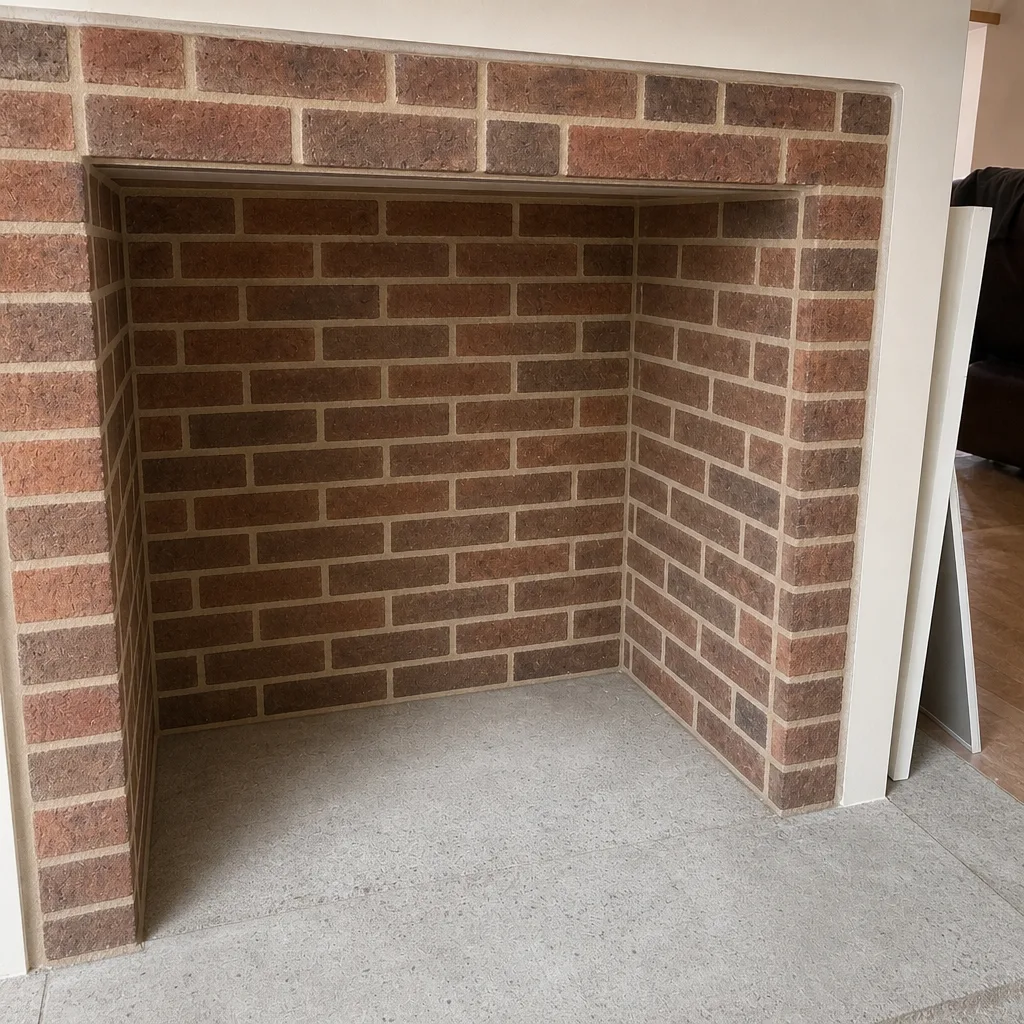
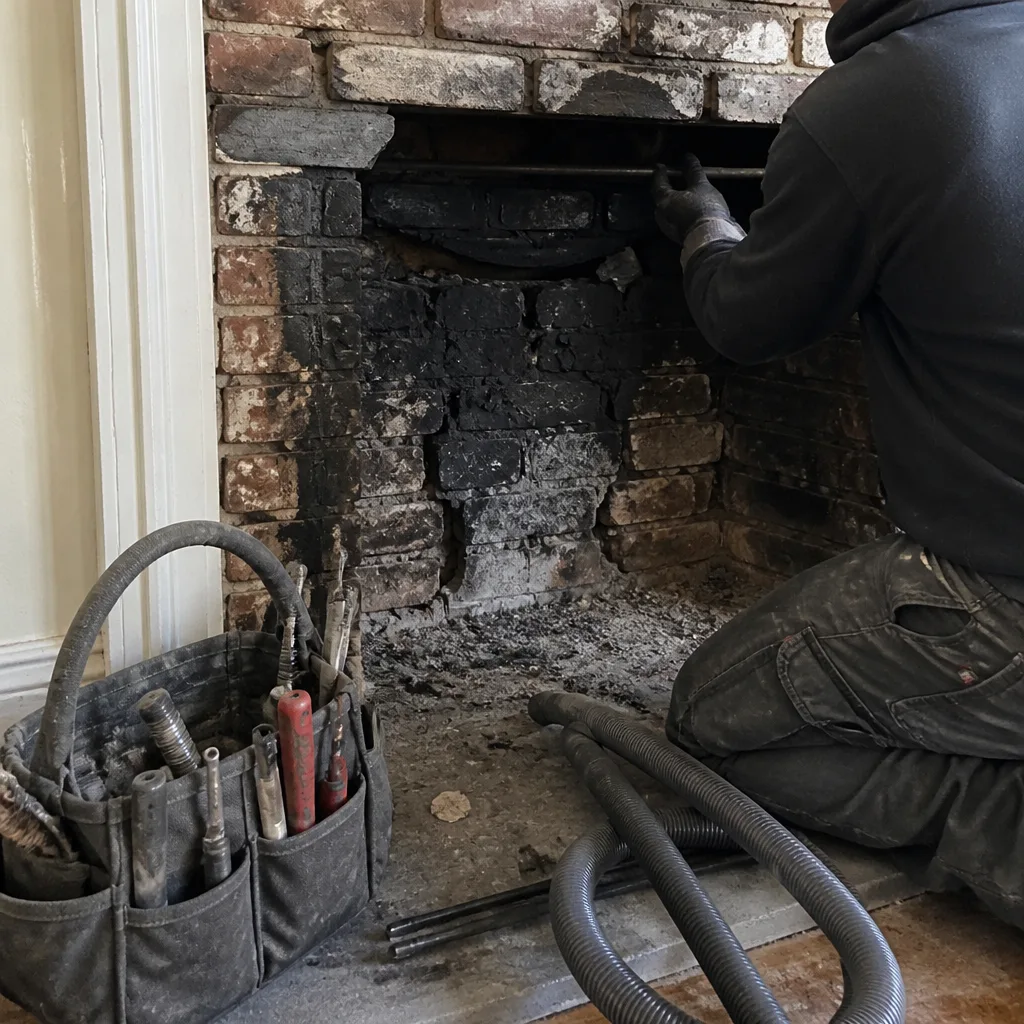
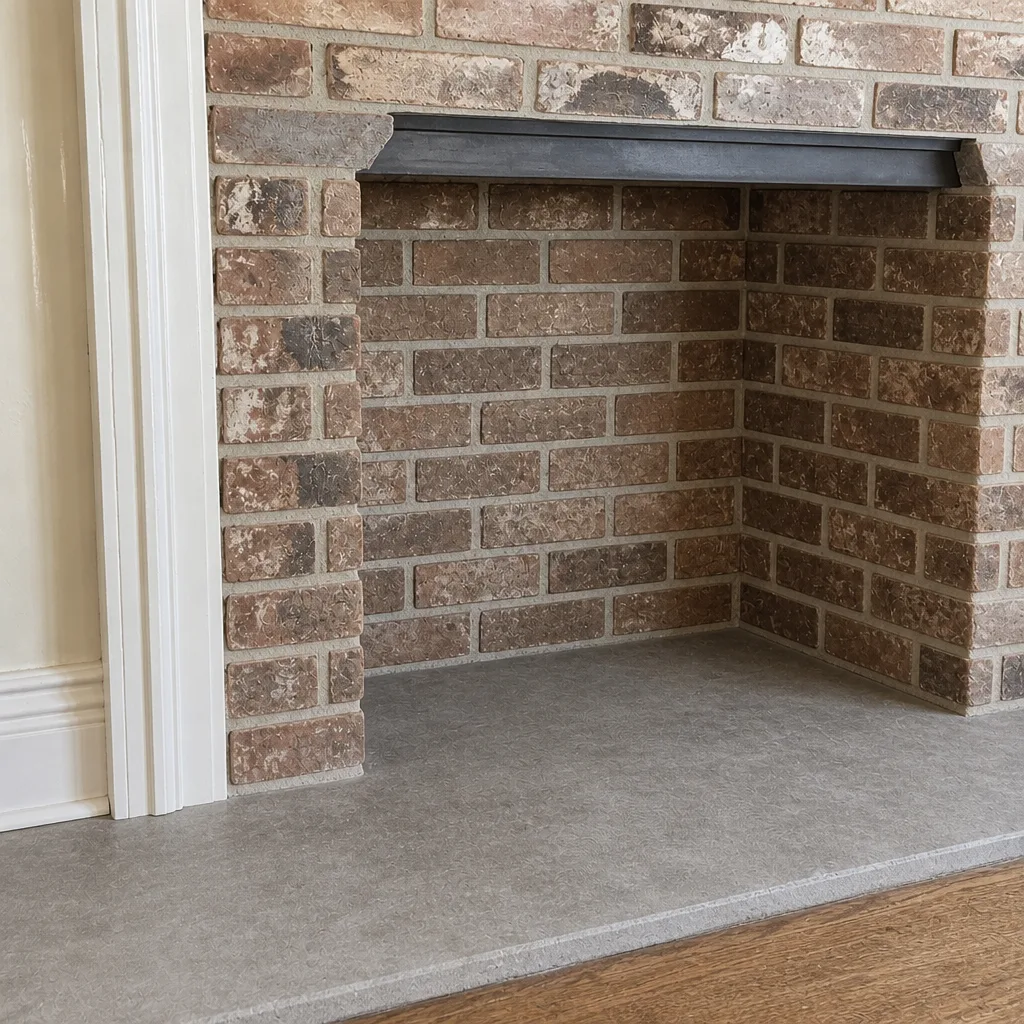
See the difference
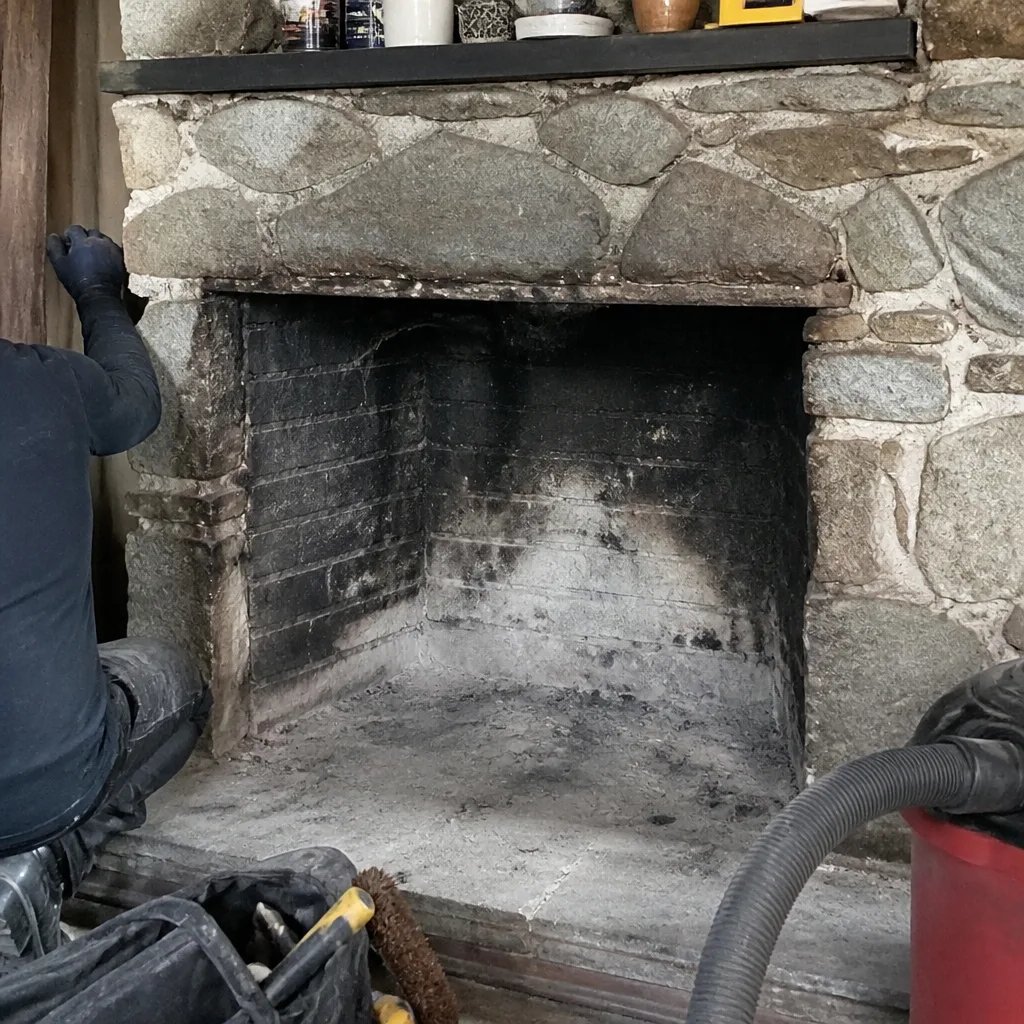 Before
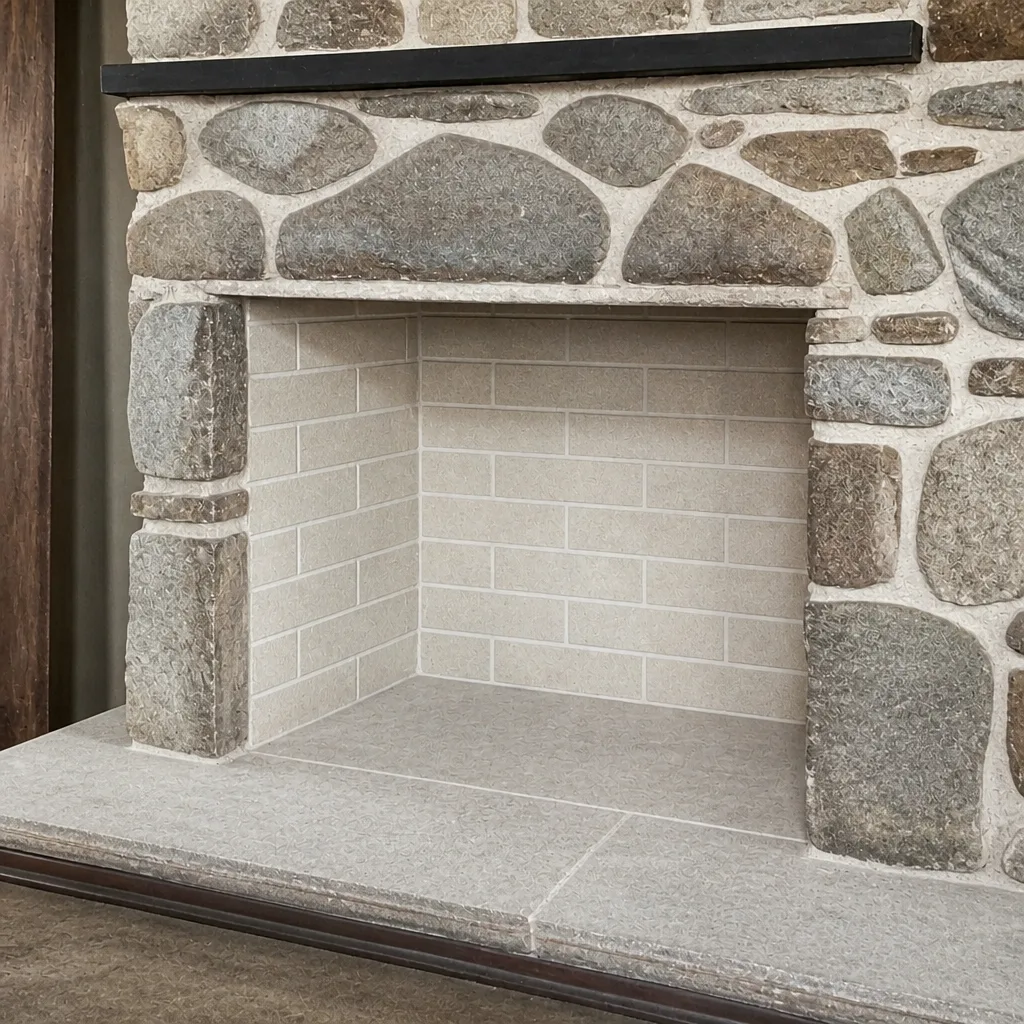 After
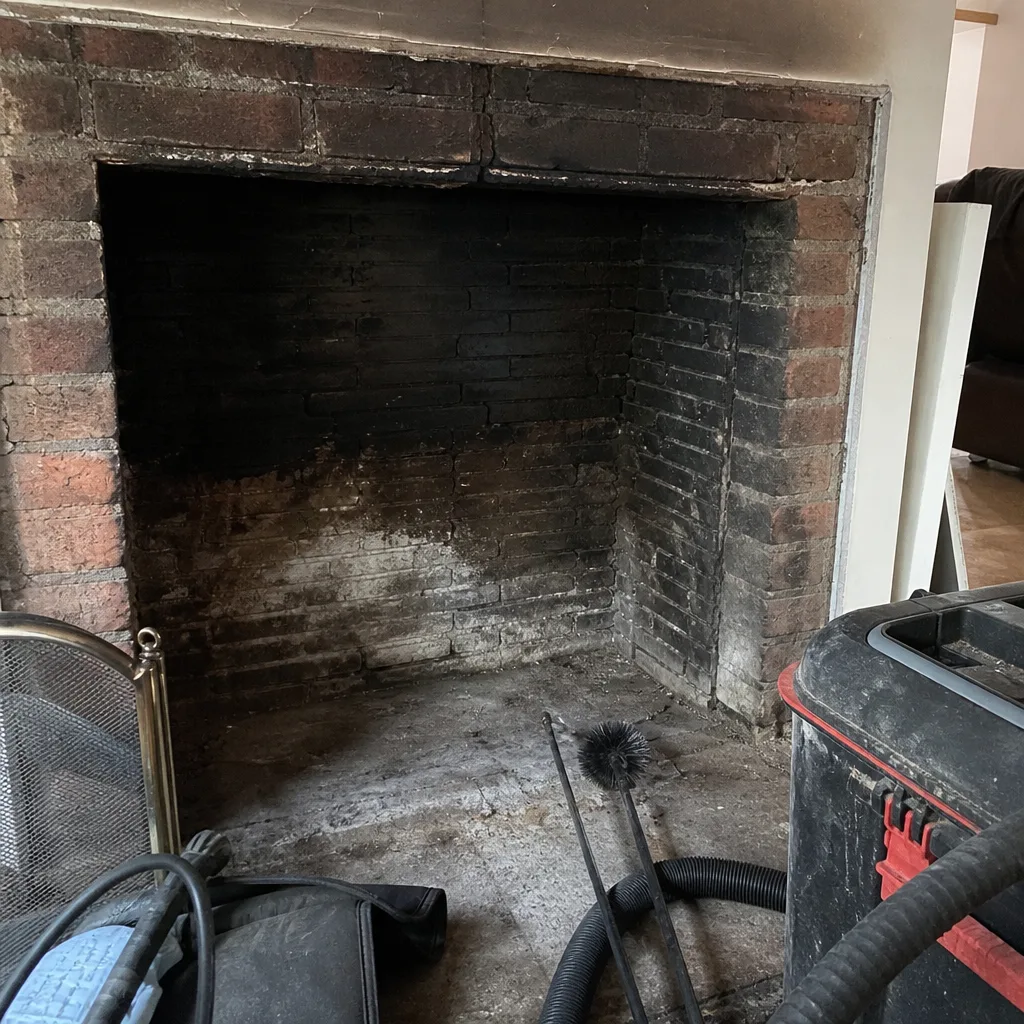 Before
 After
 Before
 After
When to Call a Professional
Some of what we’ve covered in this guide is worth checking yourself. Some of it needs a trained professional, and trying to handle it yourself is where minor problems become dangerous ones. Call a professional if:
- Smoke rolls back into the room and opening the damper fully and warming the flue doesn’t fix it.
- You see cracks in the firebox, the flue, or the exterior chimney masonry.
- You smell gas, or a carbon monoxide detector has gone off. Leave the area and call.
- Water is coming through the chimney or the ceiling around it.
- The chimney hasn’t been inspected since before you moved in, and the building is pre-war.
- You’re planning to use a wood fireplace and don’t know the flue’s condition.
- Animals or debris are in the chimney.
Chimney Sweep Hell’s Kitchen offers free estimates in Hell’s Kitchen. Call (866) 947-8139. We answer 24/7. Fast dispatch from 7am to 7pm, Sunday through Friday. Our technicians have up to 14 years of experience, and the diagnostic visit includes a camera inspection and a photo report so you can see exactly what’s in the flue before any work is recommended.
Frequently Asked Questions
Most wood-burning chimneys should be swept once a year during active use, and more often if you burn frequently or notice a symptom. For a gas fireplace, the annual visit is an inspection and vent check rather than a sweep, because gas doesn’t produce creosote. If you’re not sure when the chimney was last looked at, that’s the reason to book an inspection – the answer is “now.” Call (866) 947-8139 for a free estimate.
Not always. A failing liner sometimes can be resurfaced rather than replaced. HeatShield ceramic flue resurfacing restores a deteriorating liner without a full reline, and it’s one of the options we can offer because we work with HeatShield as a professional trade material. Whether resurfacing is appropriate depends on the liner’s condition, which the camera inspection shows you. A full reline with DuraFlex is the correct answer when the liner has failed structurally, not when it’s just degraded. Call (866) 947-8139 for a free estimate.
Creosote accumulates on the flue walls and eventually ignites, which is a chimney fire. The less obvious consequence is carbon monoxide. A liner that degrades can leak combustion gas into the home, and there’s no visible sign from the firebox. Skipping a sweep isn’t a “wait and see” decision; it’s a maintenance gap that compounds. Call (866) 947-8139 for a free estimate.
The most likely cause in a Hell’s Kitchen apartment is a draft failure – a partially closed damper, negative pressure from an exhaust fan, a cold flue, or a flue that’s too small for the firebox. In a pre-war building, a shared or previously converted flue is also a common culprit. The fix depends on which cause you have, so a camera inspection is the first step. Call (866) 947-8139 for a free estimate.
Maybe, and the “maybe” is why you should have the flue inspected first. Some pre-war fireboxes were built for coal and later converted, and the current liner may not be rated for wood. Using an unrated or damaged liner can crack the firebox or let combustion gas into the building. A camera inspection answers the question before you light a fire. Call (866) 947-8139 for a free estimate.
The difference is the condition of the liner. A sound liner with damage to the crown, cap, or firebox is a repair. A liner with cracked tiles, missing mortar joints, or unlined brick is a rebuild or reline. The camera inspection distinguishes the two, and it’s the reason we don’t quote repair work from a photo taken at the firebox. Call (866) 947-8139 for a free estimate.
The Bottom Line
Most chimney problems in Hell’s Kitchen have a visible upstream cause, and the most expensive mistake is treating a symptom without a diagnosis. Match the symptom to its cause: a sweep resolves an accumulation problem, a repair resolves a component problem, and a rebuild resolves a liner problem. Know what you can safely check yourself and where professional inspection starts. And remember that fixing one component – a cap, a crown, a damper – without auditing the whole system often just moves the problem downstream. The right first step is a proper inspection with camera evidence you can see, followed by a written estimate that sets the final price. If a recommendation doesn’t come with camera evidence, it’s a guess, and you’re entitled to see what the technician saw before you agree to any work. Chimney Sweep Hell’s Kitchen works with professional-grade materials from HeatShield, DuraFlex, Copperfield, and Famco, and our five service lines – sweep, cap and crown, repair, inspection, and fireplace repair – keep the whole system under one roof. If you’re in Hell’s Kitchen and ready for a diagnosis instead of a guess, call (866) 947-8139 for a free estimate.
Written by the team at Chimney Sweep Hell’s Kitchen.